‘Offsite Construction’ Explained

Offsite construction is a modern building method where all or part of a structure is manufactured away from its final location before being transported to site for installation. Rather than carrying out every stage of construction on the building site itself, significant elements are produced within a controlled factory environment, improving efficiency, consistency and quality.

The term offsite construction is often used interchangeably with modular construction, but they are not exactly the same. Offsite construction is the broader category that includes several different building methods, including panelised systems, structural insulated panels (SIPs), pre-manufactured components and volumetric modular construction. Volumetric modular construction, where complete three-dimensional building modules are manufactured in a factory before installation, is the approach used by SmartPod.

In practical terms, offsite construction allows manufacturers to build much of a project while groundworks are taking place onsite. Once the foundations are ready, the completed modules or components are delivered and installed, dramatically reducing overall project times.

As demand grows for faster, more sustainable and more efficient construction methods, offsite construction has become increasingly popular across the education, healthcare, commercial, retail and leisure sectors. It offers organisations a reliable alternative to traditional building methods while maintaining high standards of quality, energy efficiency and long-term durability.

Simply put, offsite construction is about building smarter. By moving much of the construction process into a factory-controlled environment, projects can be delivered more quickly, with less disruption and greater consistency than conventional onsite construction.
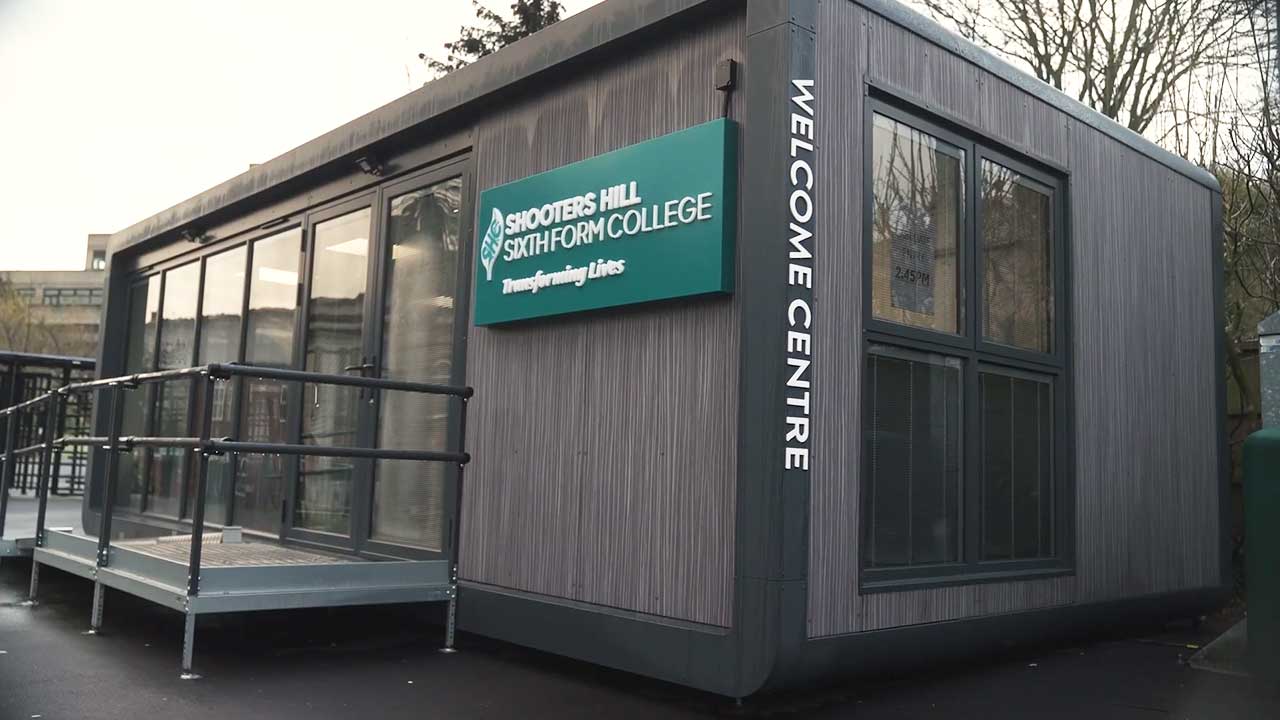
What is Offsite Construction

How Offsite Construction Works

Although different forms of offsite construction vary slightly, the overall process follows a similar approach.

Every project begins with a detailed design phase. The building is carefully planned to meet the client’s operational requirements, site constraints and current UK Building Regulations. Digital design technology ensures every component is manufactured to precise dimensions before production begins.

Manufacturing then takes place within a factory-controlled environment. Unlike traditional construction, which depends heavily on weather conditions and sequential onsite trades, offsite manufacturing allows work to continue throughout the year in consistent conditions.

While the building is being manufactured, contractors prepare the site. Foundations, drainage connections and service installations can all be completed simultaneously with factory production. This overlap between manufacturing and site preparation is one of the biggest reasons why offsite construction can significantly reduce project times.

Once manufacturing is complete, the building or modules are transported to site. Depending on the construction method, they are either craned directly into position or assembled using pre-manufactured components. Final connections are completed before commissioning and handover.

The result is a permanent building delivered far more efficiently than many traditional construction projects.

Offsite Construction vs Traditional Construction

The biggest difference between offsite and traditional construction is where the majority of the work takes place.

Traditional construction relies on materials and trades arriving onsite in sequence. Foundations are completed first, followed by structural work, roofing, internal partitions, services and finishes. Progress is often affected by weather conditions, labour availability and site access.

Offsite construction changes this process entirely.

Instead of carrying out every stage onsite, much of the building is completed within a factory before arriving at its final location. This controlled manufacturing environment improves quality control and reduces the likelihood of delays caused by adverse weather or inconsistent site conditions.

Another significant advantage is programme certainty. Because manufacturing and groundwork occur simultaneously, projects can often be completed considerably faster than conventional builds.

This efficiency makes offsite construction particularly attractive where operational continuity is important, such as schools, healthcare facilities and commercial businesses.

Different Types of Offsite Construction

This is the most complete form of offsite construction. Entire three-dimensional building modules are manufactured within a factory before being transported to site. They arrive with walls, floors, ceilings and many internal finishes already completed.

This is the construction method used by SmartPod. Understanding these differences helps explain why volumetric modular construction delivers some of the greatest benefits in terms of speed, consistency and reduced onsite disruption.

Volumetric Modular Construction

This is the most complete form of offsite construction. Entire three-dimensional building modules are manufactured within a factory before being transported to site. They arrive with walls, floors, ceilings and many internal finishes already completed.

Panelised Construction

Panelised systems involve manufacturing individual wall, roof and floor panels offsite before assembling them onsite. While still benefiting from factory production, they require considerably more onsite assembly than volumetric buildings.

Pre-Manufactured Components

Many traditional construction projects also incorporate offsite manufacturing through pre-made roof trusses, bathroom pods, staircases or structural elements. Although these projects include offsite elements, they are not fully modular buildings.

The Benefits of Offsite Construction

Offsite construction continues to grow because it offers practical advantages for both developers and end users.

Faster Project Delivery

Factory manufacturing and site preparation take place simultaneously, significantly shortening project programmes.

Improved Quality Control

Controlled factory conditions allow greater precision during manufacturing while protecting materials from adverse weather.

Reduced Onsite Disruption

Because much of the work is completed before delivery, there are fewer trades onsite, less noise and reduced disruption to neighbouring buildings or day-to-day operations.

Better Sustainability 

Offsite manufacturing helps reduce waste through improved material management and more efficient production processes. Shorter construction programmes also reduce vehicle movements and onsite energy consumption.

Greater Predictability

Factory production allows projects to follow planned schedules more accurately, helping reduce delays caused by weather or labour shortages.

Why SmartPod Uses Offsite Construction

At SmartPod, offsite construction forms the foundation of every building we manufacture.

Our volumetric modular buildings are produced within carefully controlled factory environments where quality, precision and efficiency are maintained throughout the manufacturing process. By completing the majority of construction before delivery, we can offer clients faster installation times and consistently high standards.

Rather than spending months constructing buildings onsite, SmartPod’s approach allows projects to move quickly from design through manufacture to installation.

Every building is manufactured with durability, thermal performance and long-term reliability in mind. High-quality insulation, modern materials and precision engineering ensure our buildings perform throughout the year while meeting current UK Building Regulations.

From the first consultation through to final installation, SmartPod manages the complete process, providing clients with a streamlined, turnkey solution that minimises disruption and maximises efficiency.

SmartPod’s Range of Offsite Modular Buildings

The versatility of offsite construction means it can be applied across a wide variety of sectors. SmartPod designs and manufactures buildings tailored to individual requirements while delivering all the benefits of factory-controlled construction.

For Education

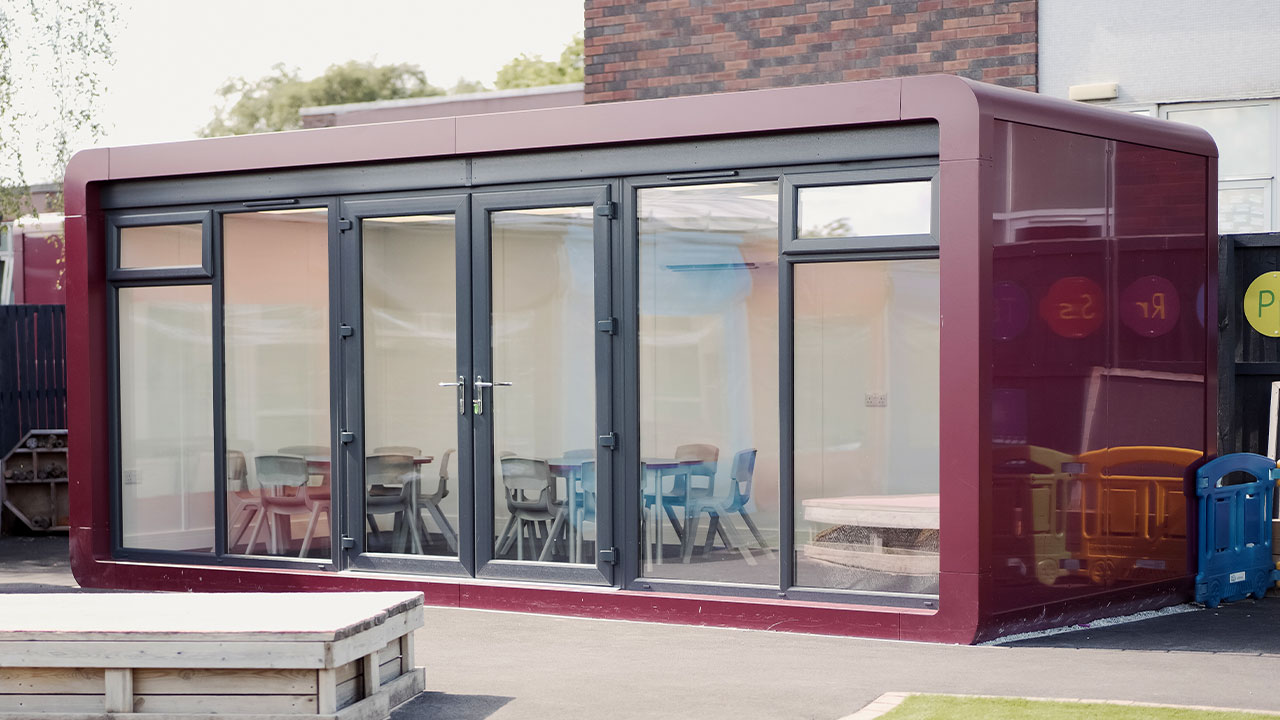
Education providers increasingly choose offsite construction because of its ability to deliver high-quality learning environments quickly and with minimal disruption. SmartPod’s modular classrooms, breakout spaces, libraries and specialist educational buildings provide schools with flexible facilities that can be installed far faster than traditional construction.

Because manufacturing takes place away from the school site, disruption to teaching is greatly reduced. Installation programmes can often be scheduled during school holidays or completed while the school remains fully operational.

Every education building is fully insulated, comfortable throughout the year and designed to meet current building standards. As pupil numbers grow or educational requirements evolve, additional modules can be incorporated to create scalable learning environments without extensive rebuilding.

For Retail

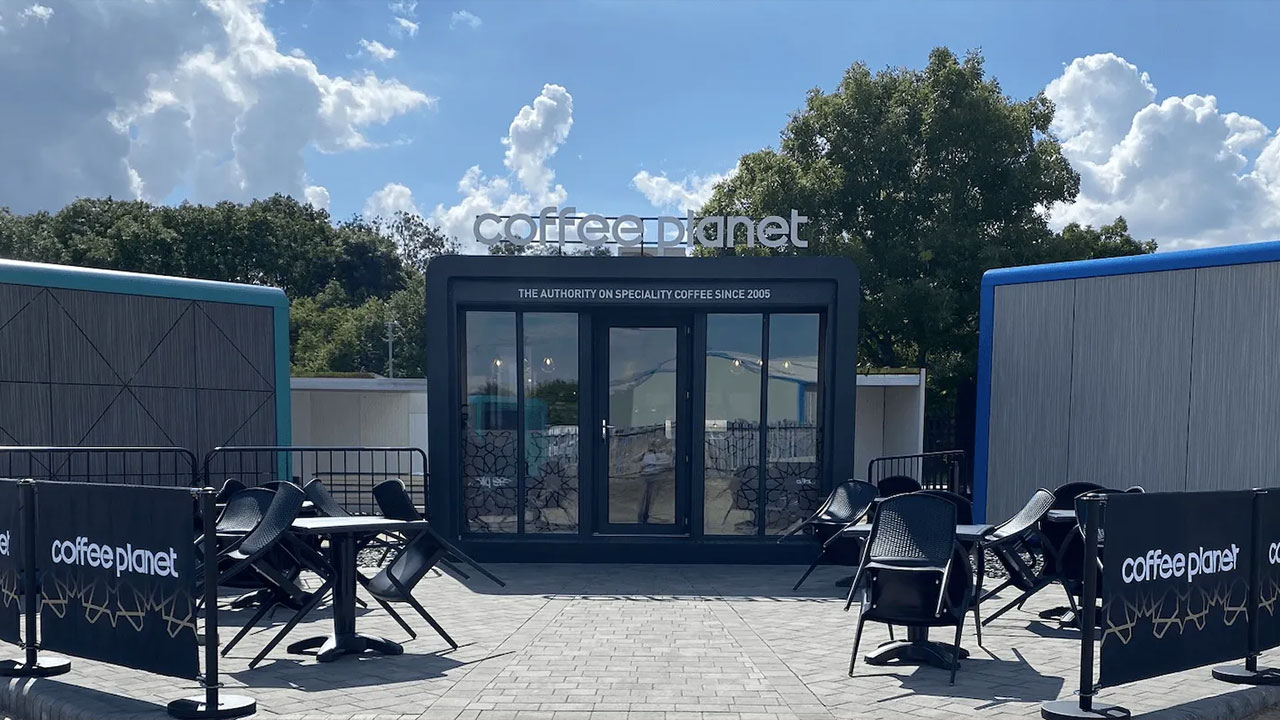
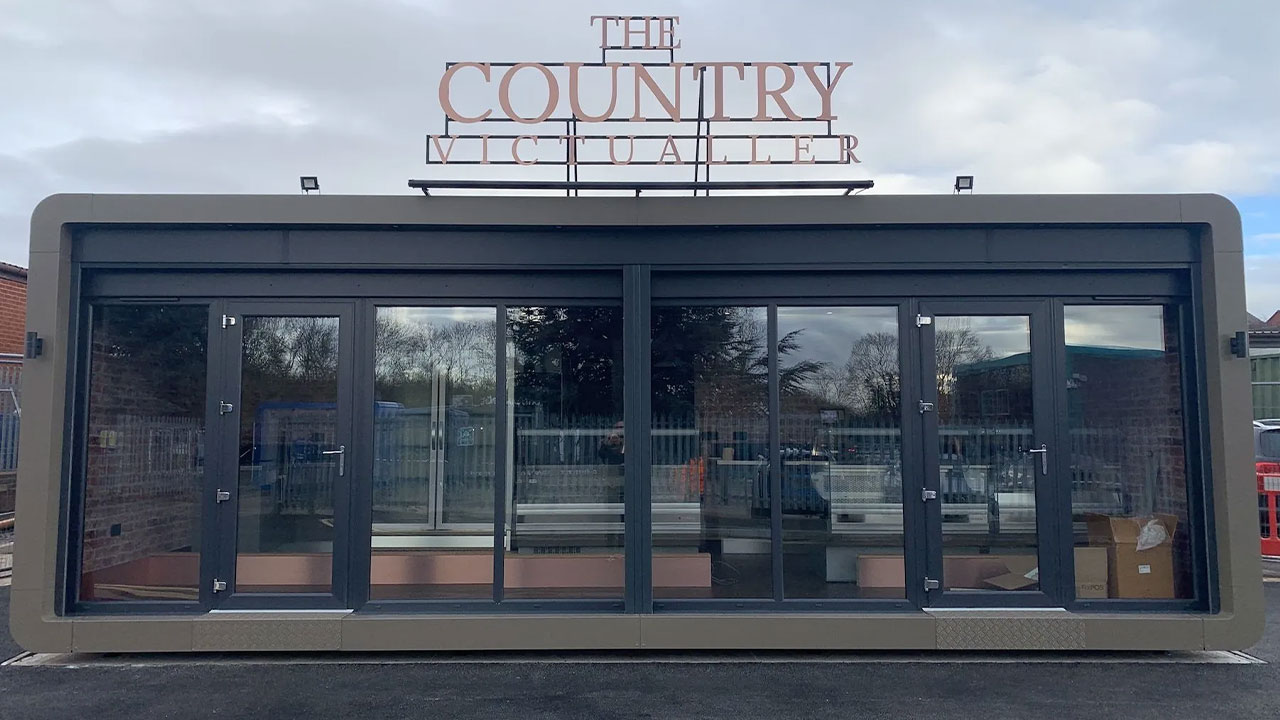
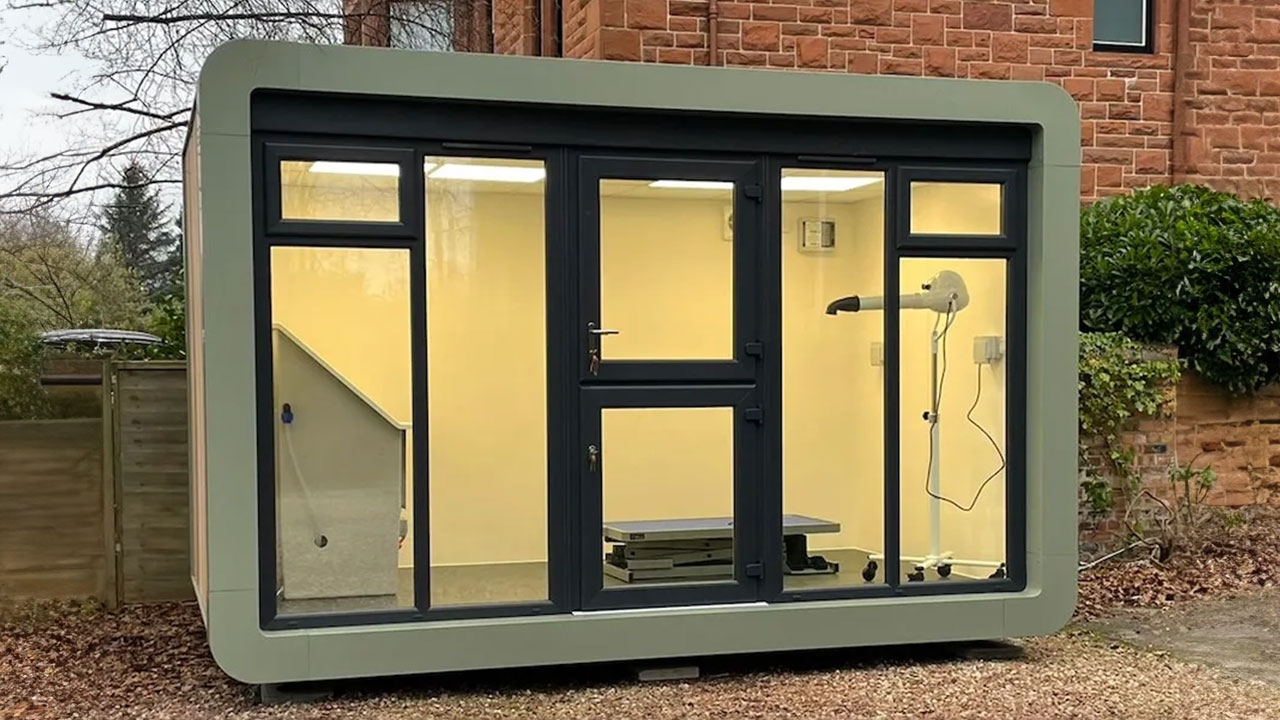
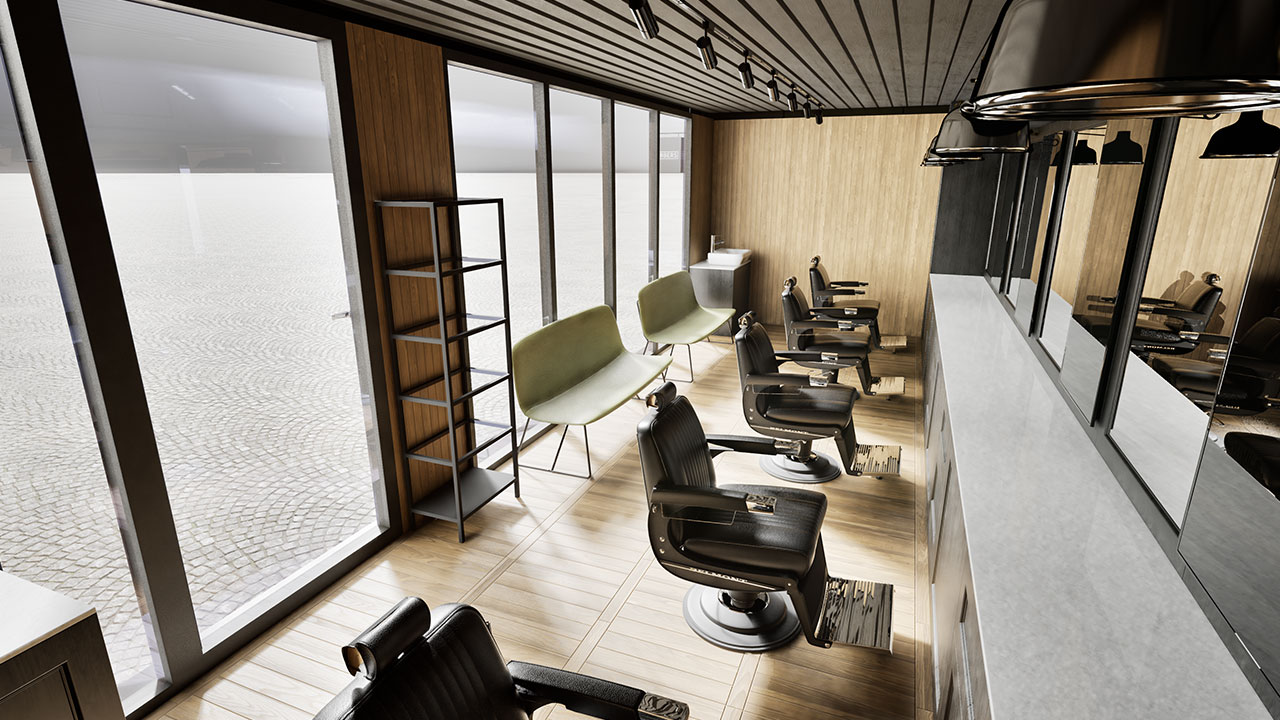
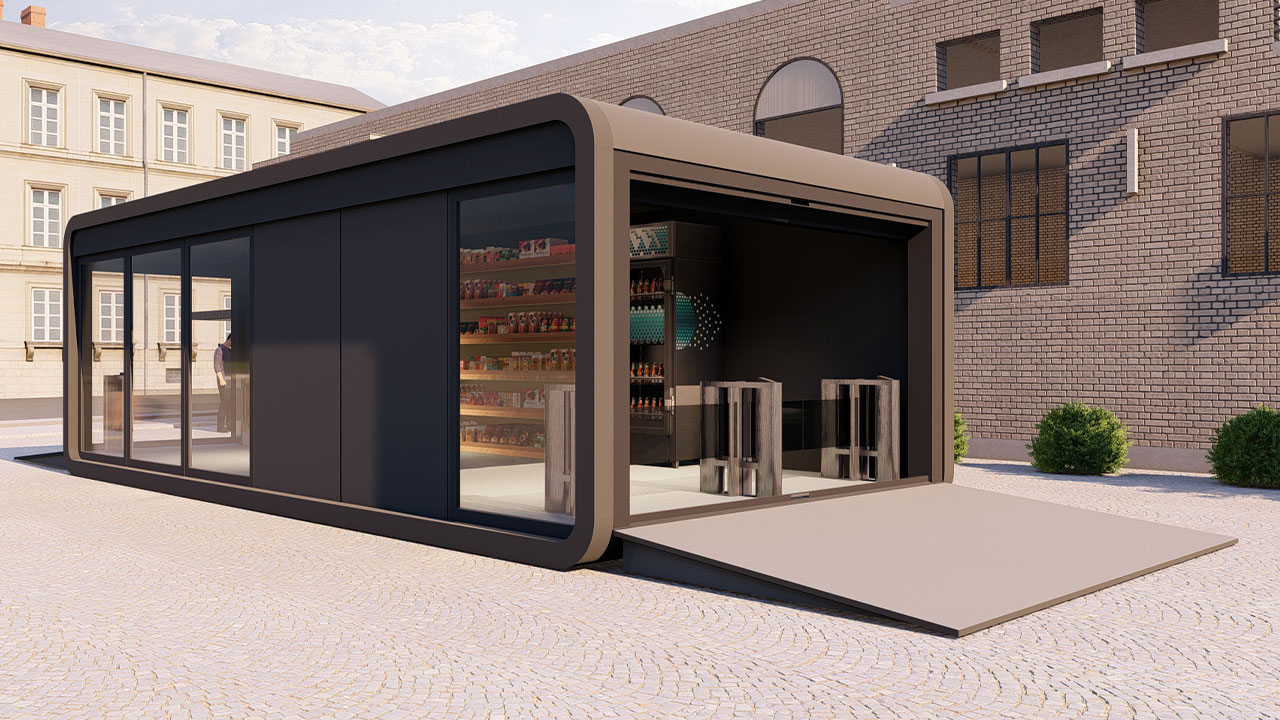
Retail businesses often need to establish new premises quickly, making offsite construction an ideal solution. SmartPod delivers modular cafés, coffee shops, retail units, beauty salons, barber shops and dog grooming facilities that combine professional presentation with rapid installation.

Buildings can be customised internally and externally to suit branding, customer flow and operational requirements. Because much of the construction is completed before delivery, businesses can begin trading significantly sooner than with conventional building methods.

The flexibility of modular construction also means retail buildings can be expanded or adapted as businesses grow, protecting long-term investment.

For Leisure

Leisure facilities benefit from the adaptability and speed offered by offsite construction. SmartPod designs modular gyms, fitness studios, changing facilities and community buildings that provide durable, comfortable environments for year-round use.

Projects can be delivered to tight timescales, helping operators align new facilities with membership launches or seasonal demand. High levels of insulation, modern finishes and flexible layouts ensure buildings remain practical for a wide range of leisure applications.

The controlled manufacturing process also provides consistently high-quality results while minimising disruption to existing facilities.

For Business

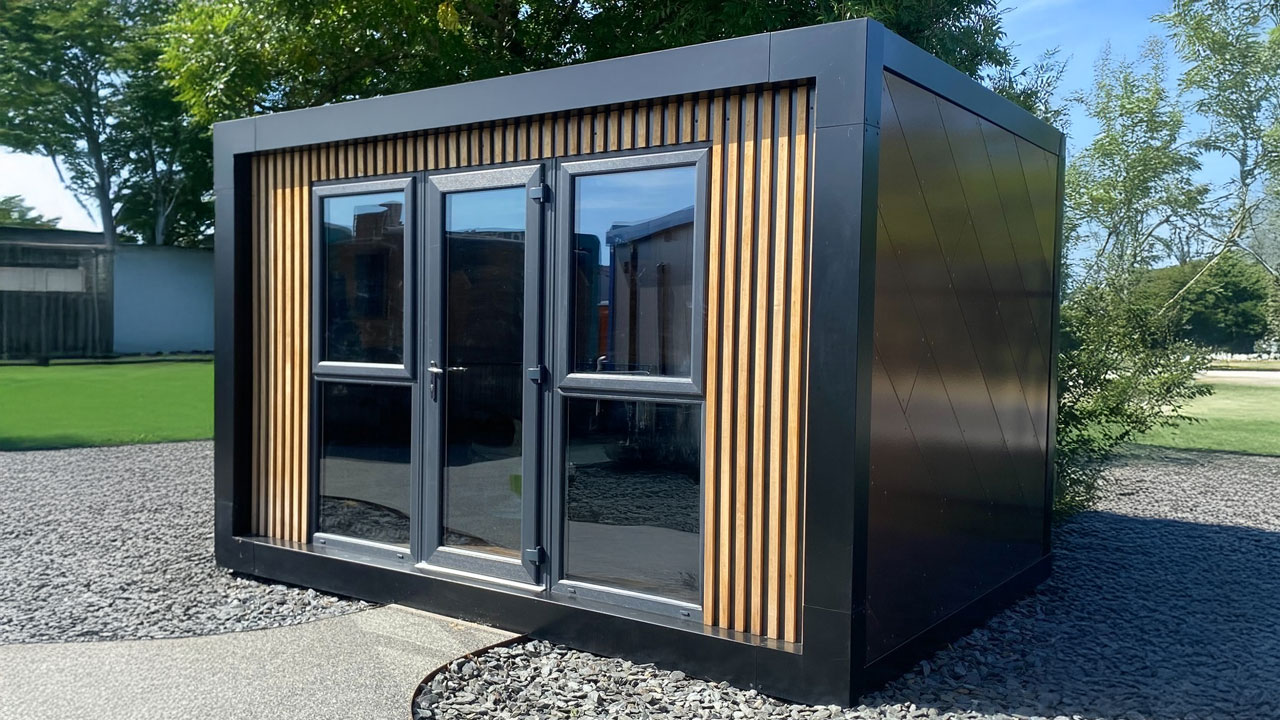
Businesses frequently require additional office space without the lengthy programmes associated with traditional construction. SmartPod’s modular offices provide comfortable, modern workspaces manufactured offsite and installed efficiently onsite.

Whether creating standalone offices, meeting rooms or expanding commercial premises, offsite construction allows organisations to increase capacity while maintaining day-to-day operations.

Buildings can be configured to suit individual working styles, from open-plan environments to private offices and collaborative spaces. As organisations continue to grow, additional modules can be incorporated to support future expansion.

Purpose-Built Modular Buildings

Not every project fits a standard template, which is why offsite construction is particularly valuable for bespoke applications. SmartPod works closely with clients to develop purpose-built modular buildings tailored to specific operational requirements.

From healthcare consultation rooms and training facilities to specialist commercial environments, every building is designed around its intended use. Plumbing, electrical systems, heating, ventilation and internal finishes are integrated during factory manufacture, reducing onsite complexity.

Purpose-built modular buildings combine the efficiency of offsite construction with complete design flexibility, creating permanent facilities that can continue evolving as organisational needs change.

So, what is offsite construction?

It is a modern approach to building where significant elements of a project are manufactured away from the final site before being transported and installed. By moving construction into a controlled factory environment, offsite construction improves efficiency, quality and programme certainty while reducing disruption and waste.

For SmartPod, offsite construction is more than simply a manufacturing method—it is the foundation of how we deliver high-quality modular buildings across education, retail, leisure, business and bespoke sectors. Using volumetric modular construction, we create permanent, energy-efficient buildings that are manufactured with precision, installed efficiently and built to perform for decades.

As organisations continue to seek faster, more sustainable and more flexible ways to create new spaces, offsite construction is set to play an increasingly important role in the future of the built environment.

Need Further Assistance?

Feel free to contact us about any of our modular buildings for education, retail, leisure, and business.