
What is MMC?
Modern Methods of Construction (MMC) is a term that has become increasingly prominent across the UK construction industry, particularly as demand grows for faster, more sustainable, and cost-efficient building solutions. But what does it actually mean, and why is it becoming such a key part of how buildings are delivered today?
At its core, MMC refers to a range of innovative construction techniques that differ from traditional on-site building methods. Instead of relying solely on labour-intensive processes carried out at the construction site, MMC focuses on manufacturing building components in controlled environments and then assembling them efficiently on location. This shift in approach brings a wide range of benefits, from improved quality control to reduced project timelines.
In this article, we’ll explore what Modern Methods of Construction are, how they work, why they are gaining traction, and how they relate directly to modular building solutions like those offered by SmartPod.
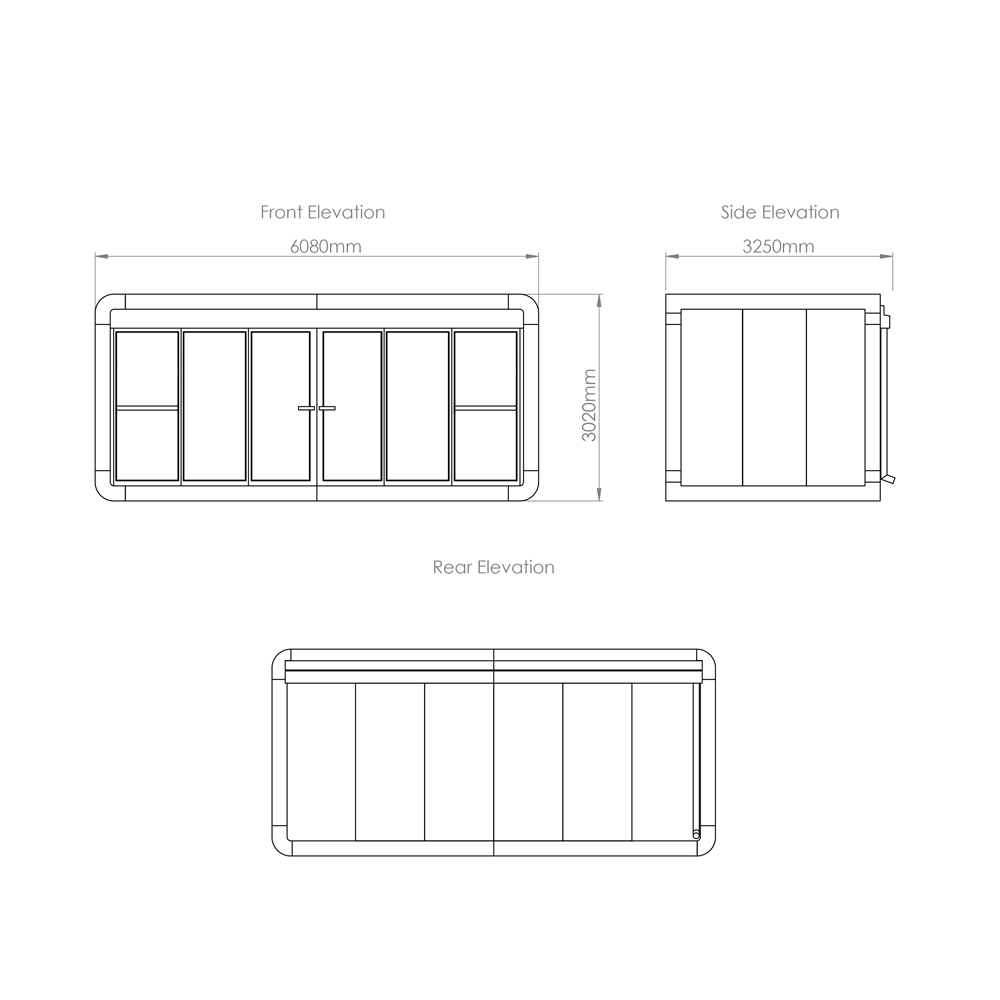
Speed Without Compromise
SmartPod buildings are typically delivered within an 8–12 week timeframe, providing a rapid solution for organisations that need new space quickly. This is particularly valuable for educational institutions or businesses facing immediate capacity challenges.
High-Performance Construction
Each SmartPod is built using insulated panel systems, reinforced structures, and high-quality materials. This ensures the building performs reliably in all conditions, maintaining comfort and energy efficiency throughout the year.
Minimal Disruption
Because the majority of construction takes place off-site, installation is fast and causes minimal disruption. This is especially important for live environments such as schools, universities, and workplaces.
Long-Term Investment
With a design life exceeding 35 years and a 10-year structural warranty, SmartPod buildings are not temporary solutions. They are designed to provide long-term value, supporting organisations as they grow and evolve.
Fully Customisable
SmartPod buildings can be tailored to suit a wide range of uses, from educational pods and gym facilities to office spaces and washrooms. This flexibility reflects one of the core principles of MMC — adaptability.
Education Modular Buildings
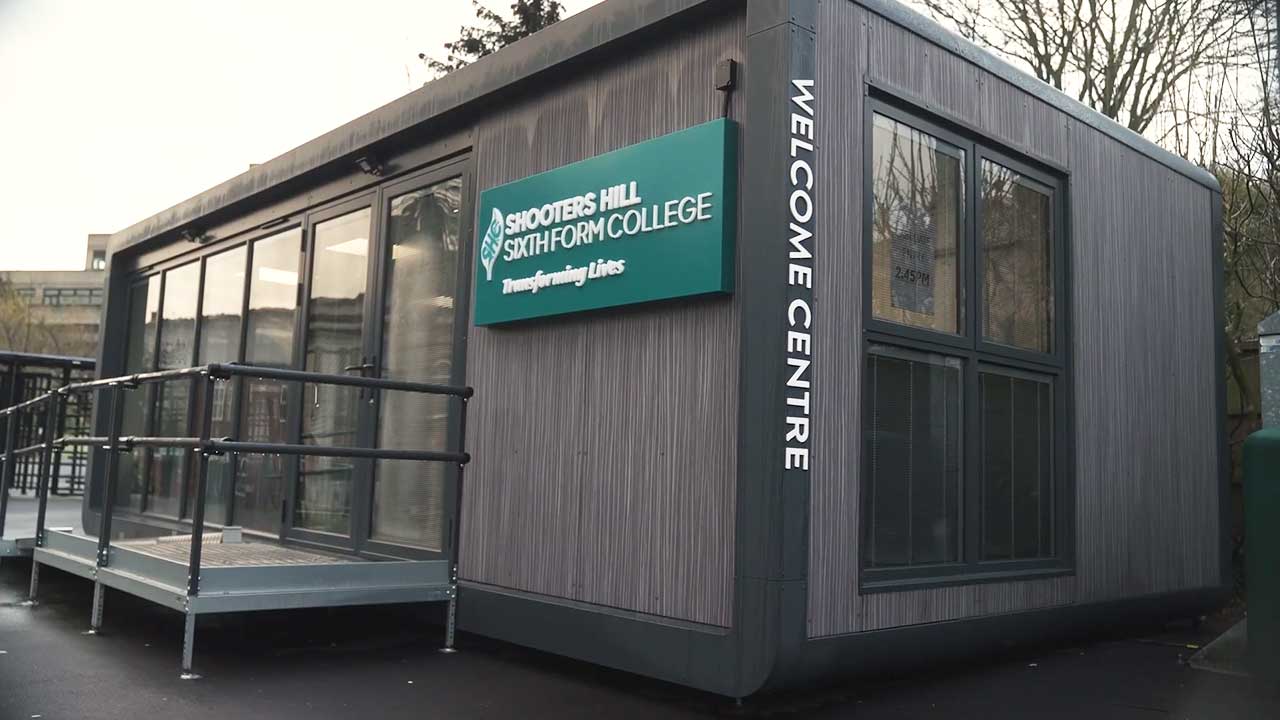
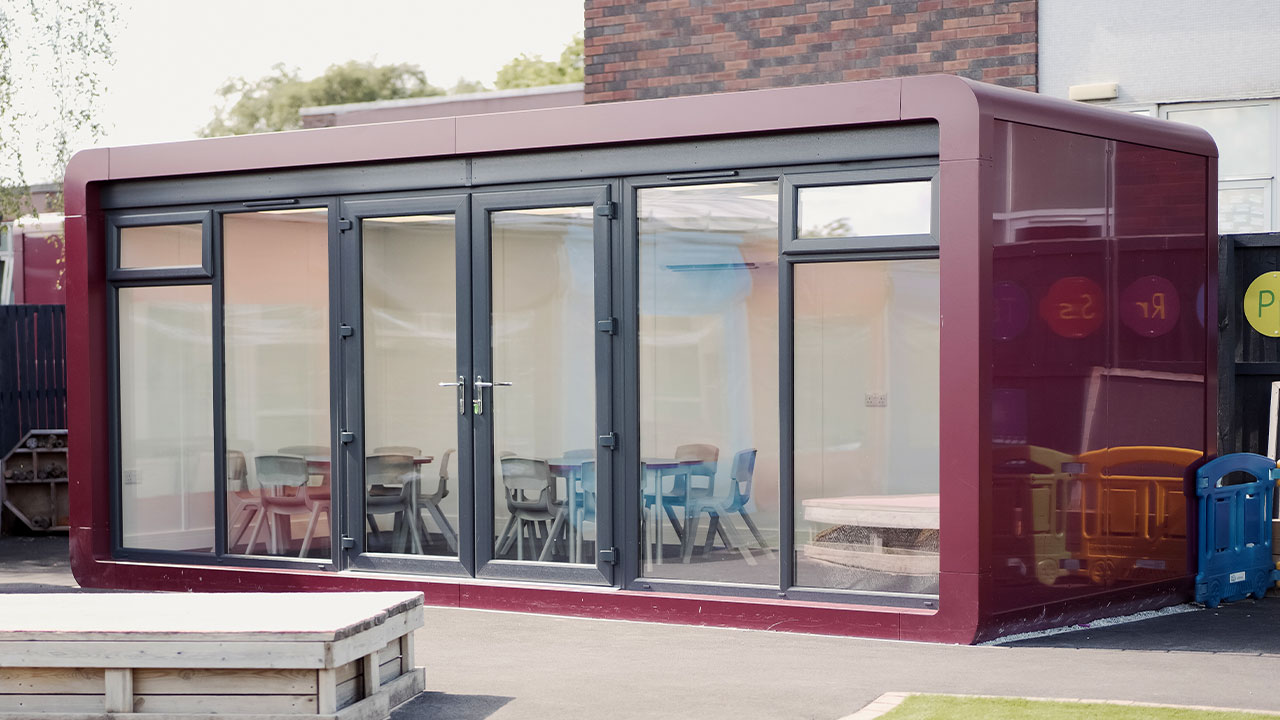
Modern Methods of Construction are particularly well suited to the education sector, where demand for new space can arise quickly due to increasing student numbers, curriculum changes, or funding cycles. Traditional construction often struggles to meet these time-sensitive requirements, whereas MMC provides a faster and more adaptable solution.
For schools, colleges, and universities, modular buildings can be used to create classrooms, lecture spaces, libraries, and student facilities with minimal disruption to daily operations. Because much of the construction takes place off-site, installation can be completed during holidays or even within term time without significant impact on staff or students.
MMC also supports the creation of high-quality learning environments. Insulated panel systems help maintain comfortable internal temperatures while reducing external noise, ensuring spaces remain conducive to concentration and engagement.
SmartPod’s approach aligns closely with these needs. Their education buildings are designed to be flexible, allowing institutions to expand or reconfigure spaces as requirements evolve. Whether responding to short-term capacity challenges or planning long-term campus improvements, MMC provides a reliable and future-focused solution for the education sector.
Retail Modular Buildings
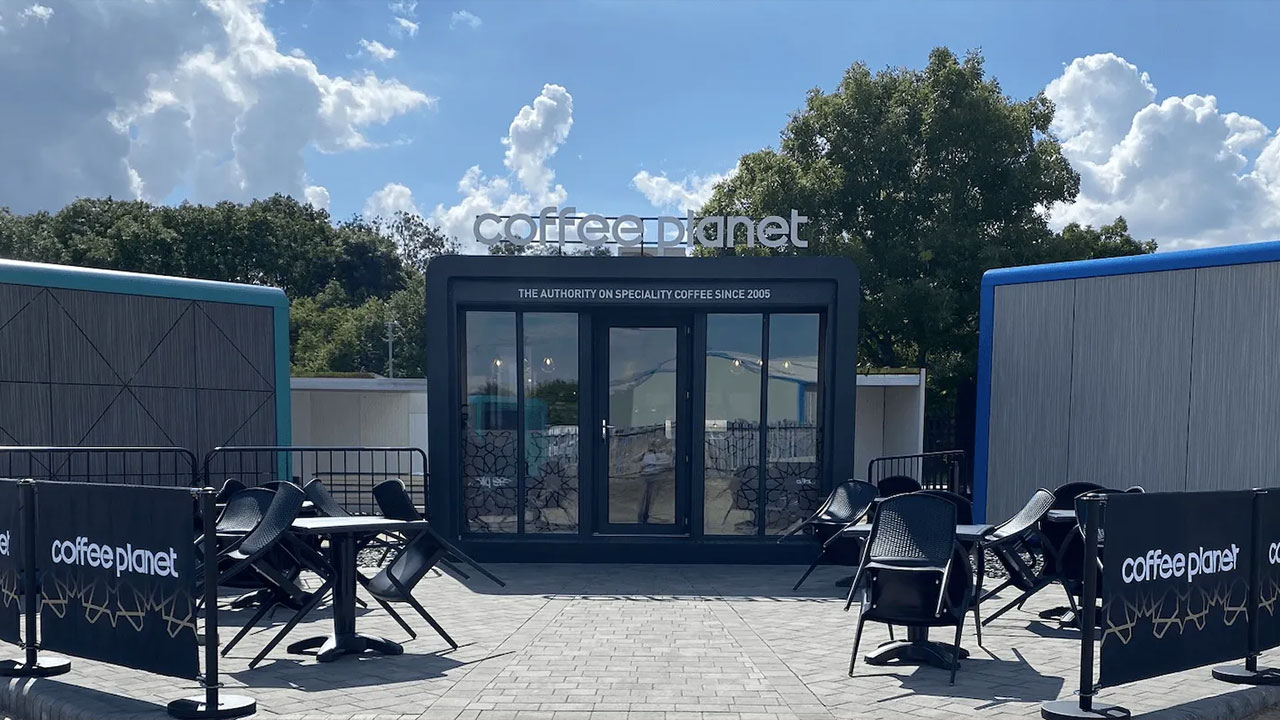
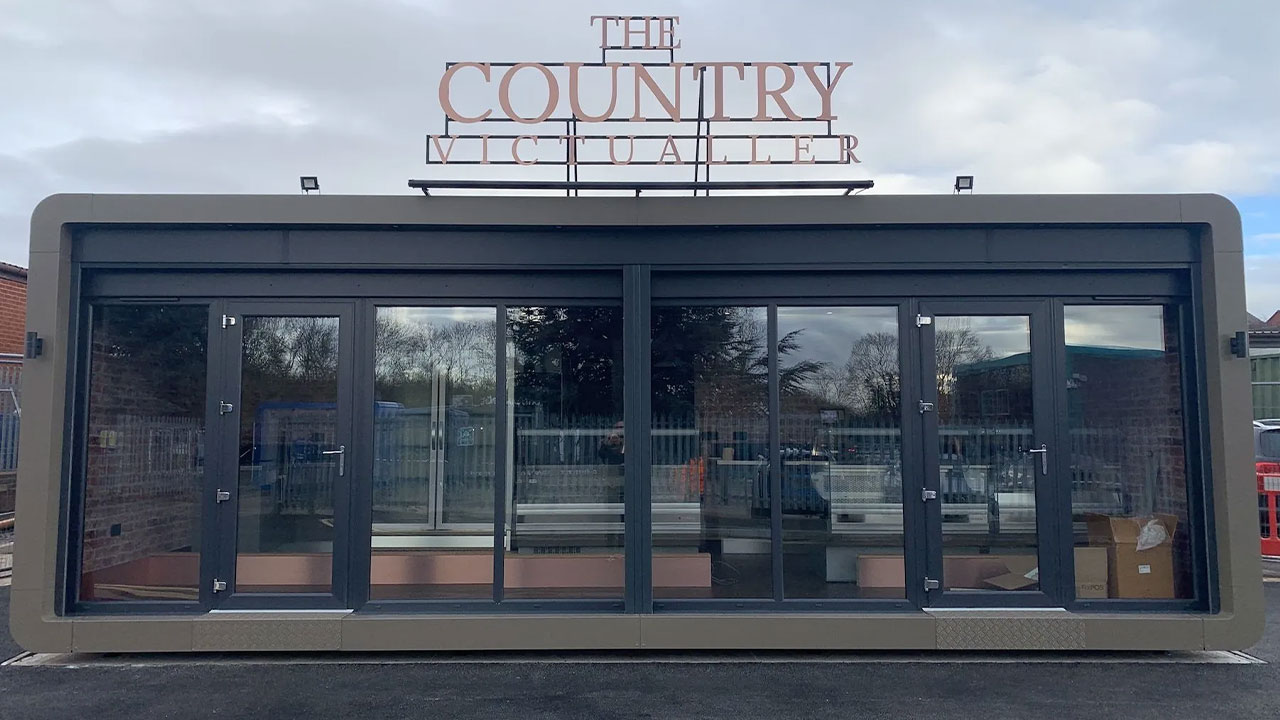
In the retail sector, speed and adaptability are critical. Businesses often need to respond quickly to changing consumer behaviour, seasonal demand, or new opportunities in high-footfall locations. Modern Methods of Construction provide a practical way to deliver retail spaces rapidly without compromising on quality or visual appeal.
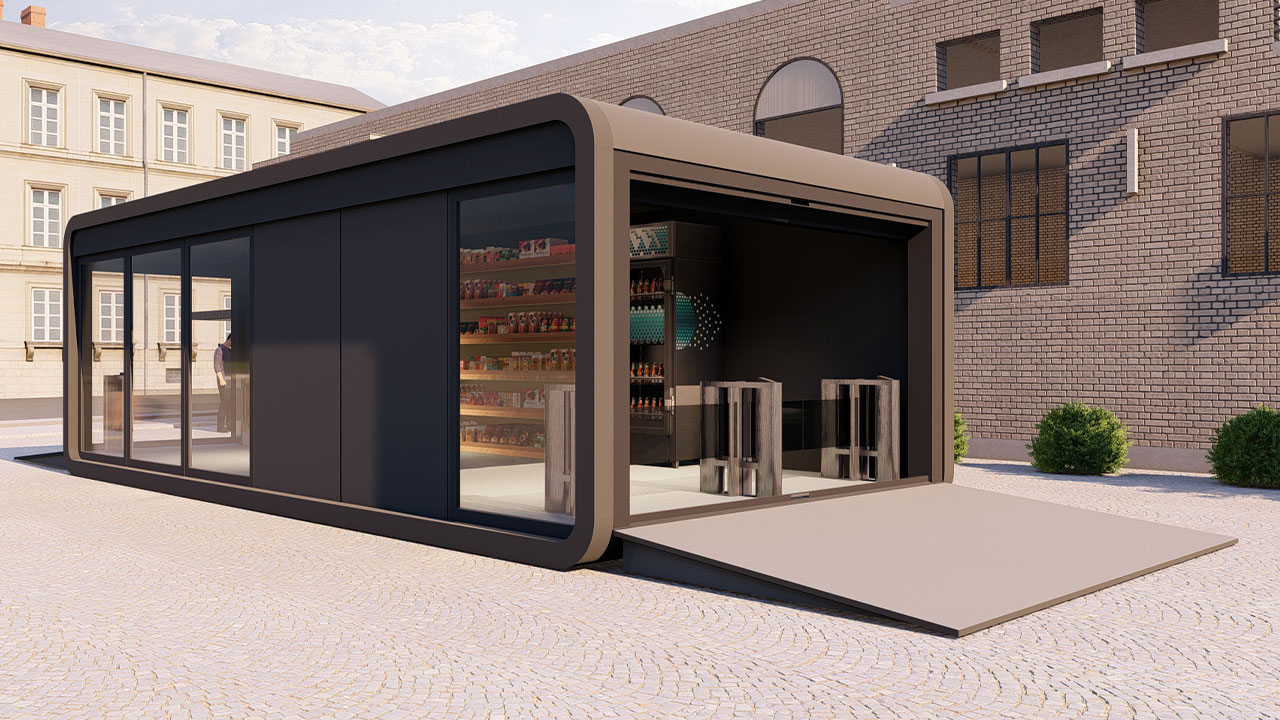
Modular buildings can be used to create pop-up shops, permanent retail units, kiosks, or customer-facing environments that are ready for use in a significantly shorter timeframe than traditional construction. This allows retailers to act quickly, capitalising on emerging trends or expanding into new locations with confidence.
MMC also supports flexibility in design and layout. Retail spaces can be customised to reflect branding, optimise customer flow, and accommodate different product types. As business needs change, modular units can be relocated or adapted, reducing long-term risk.
SmartPod buildings are particularly well suited to this sector. Their clean, contemporary designs create an attractive retail presence, while robust construction ensures durability in high-traffic environments. By combining speed, flexibility, and strong visual impact, MMC enables retailers to remain agile in an increasingly competitive marketplace.

Leisure Modular Buildings
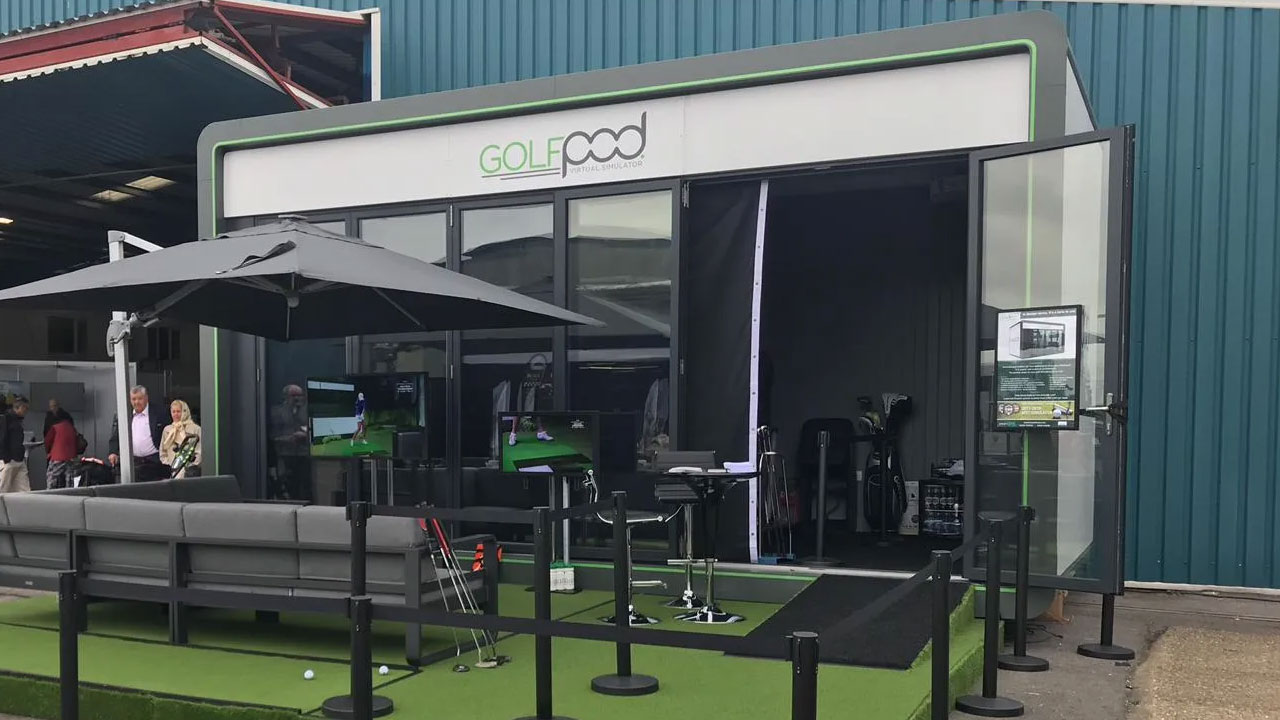
The leisure sector has seen growing demand for flexible, high-quality spaces that support a wide range of activities, from fitness and wellness to hospitality and recreation. Modern Methods of Construction offer an effective way to meet this demand, delivering purpose-built environments quickly and efficiently.
Modular buildings can be used to create gyms, studios, changing facilities, and social spaces, all designed to enhance the user experience. Because these structures are manufactured off-site, installation is fast and minimally disruptive, allowing leisure operators to expand or upgrade their facilities without extended downtime.
MMC also supports durability and performance. Leisure environments often involve high footfall and intensive use, requiring buildings that can withstand regular wear while maintaining comfort. Insulated systems help regulate temperature, ensuring spaces remain usable throughout the year.
SmartPod’s modular leisure buildings are designed with these requirements in mind. Reinforced structures and specialist flooring support demanding activities such as fitness training, while customisation options allow operators to create environments that reflect their brand and service offering.
By embracing MMC, leisure providers can introduce new facilities, increase capacity, and enhance customer satisfaction with minimal delay.
Business Modular Buildings
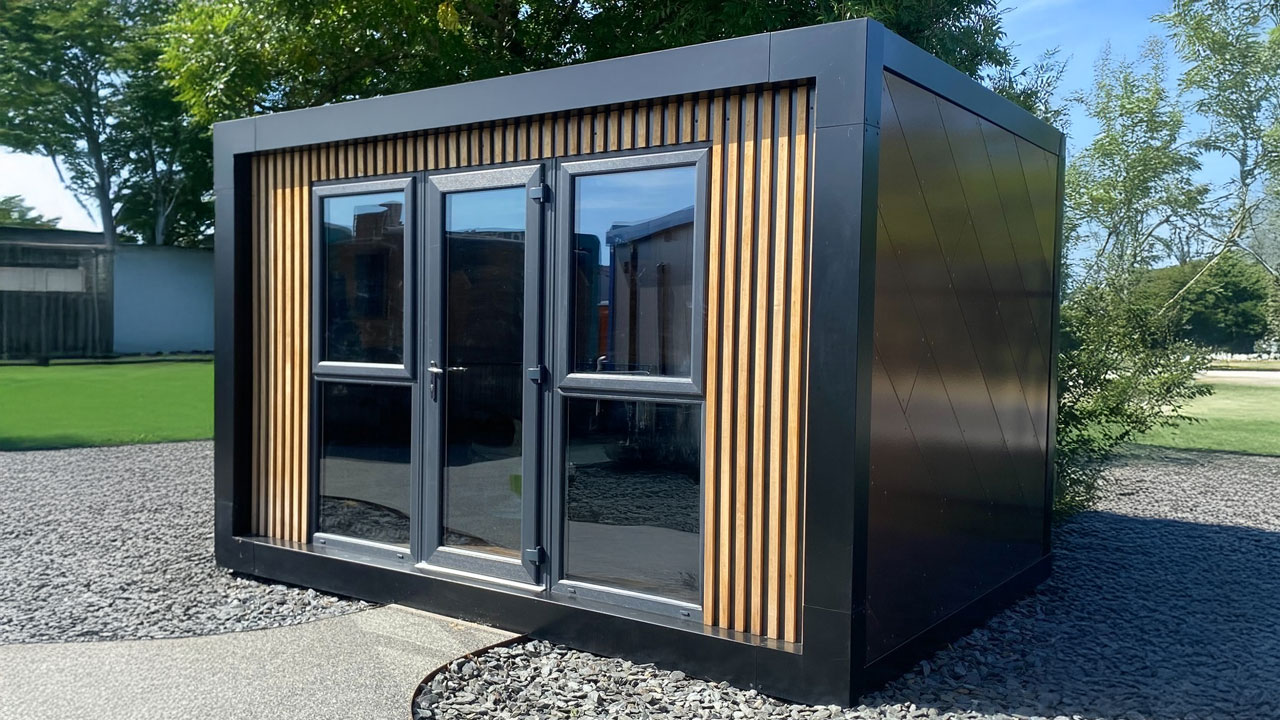
Modern Methods of Construction are increasingly being adopted within the business sector, where flexibility, efficiency, and speed are essential. Companies often require additional space for offices, meeting rooms, or operational facilities, but traditional construction can be time-consuming and disruptive.
MMC provides a more agile solution. Modular buildings can be delivered quickly, allowing businesses to expand without interrupting day-to-day operations. This is particularly valuable for growing organisations that need to respond rapidly to changing demands.
Off-site manufacturing ensures consistent quality, while on-site installation is completed with minimal noise and disruption. This makes modular construction ideal for live business environments where continuity is critical.
Another key advantage is adaptability. As businesses evolve, modular spaces can be reconfigured, expanded, or relocated, providing long-term flexibility. This reduces the risk associated with fixed, permanent structures that may not meet future needs.
SmartPod buildings align with these principles, offering high-quality, customisable spaces that support productivity and professionalism. Whether used as offices, meeting hubs, or specialist facilities, modular buildings provide businesses with a practical and forward-thinking approach to workspace development.
Purpose Built Modular Buildings
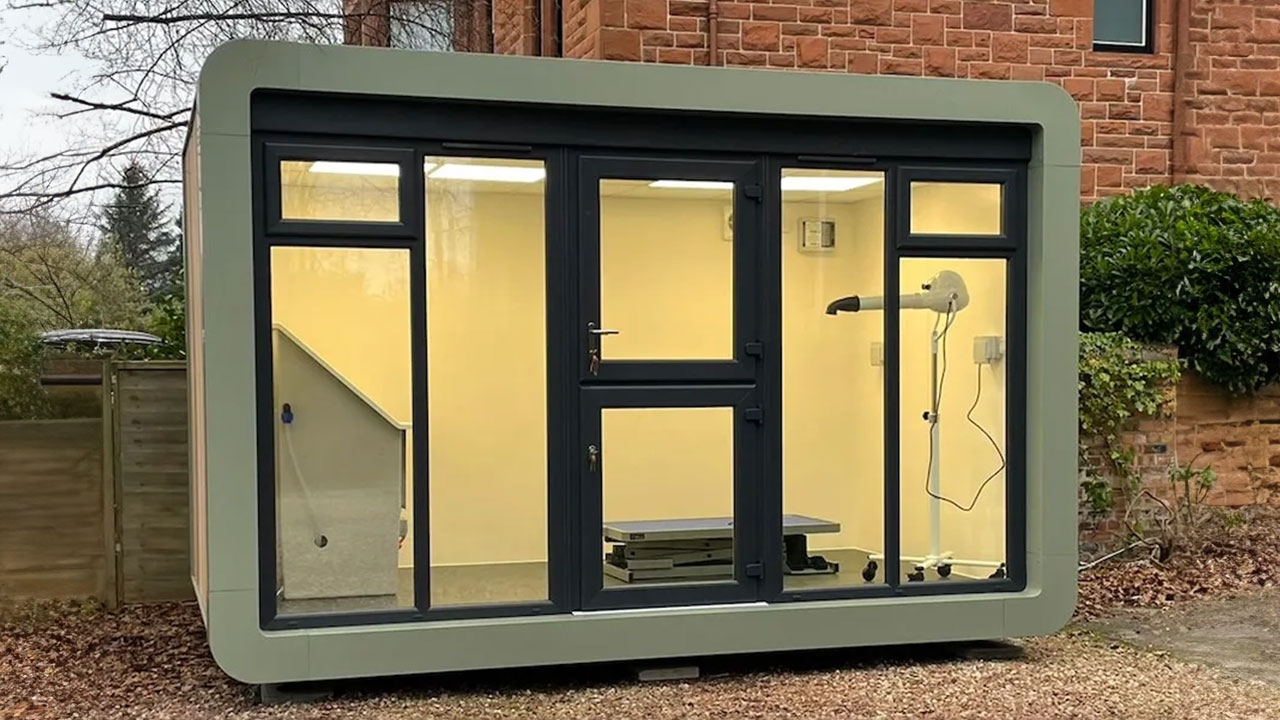
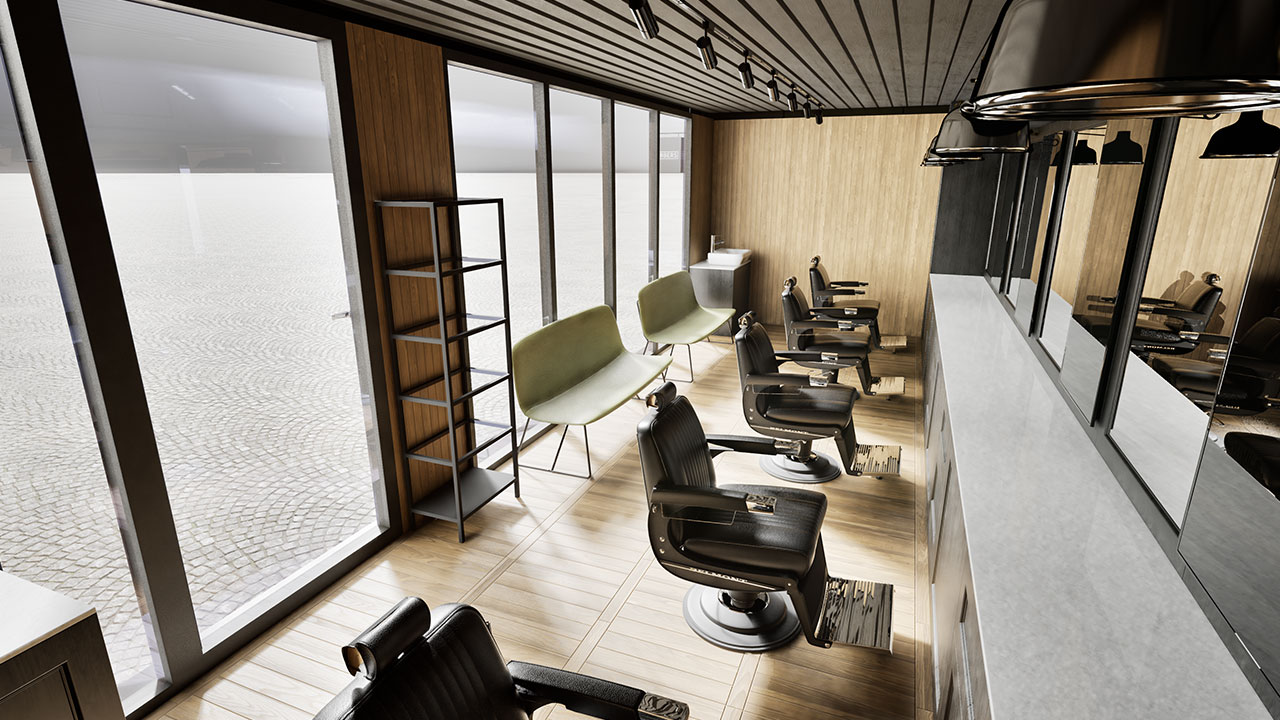
Purpose-built spaces are essential in environments where functionality and performance cannot be compromised. Modern Methods of Construction enable the creation of highly tailored buildings designed around specific uses, ensuring every aspect of the structure supports its intended purpose.
Unlike traditional construction, which can be limited by time and on-site constraints, MMC allows for greater precision during the design and manufacturing stages. This results in buildings that are optimised for their function, whether that involves specialised layouts, equipment integration, or unique environmental requirements.
Purpose-built modular buildings can serve a wide range of applications, from healthcare facilities and educational spaces to commercial and leisure environments. The ability to customise every detail ensures the final structure aligns perfectly with operational needs.
SmartPod exemplifies this approach by delivering bespoke modular solutions across multiple sectors. Each building is designed in collaboration with the client, ensuring it meets exact specifications while maintaining the benefits of modular construction, such as speed, efficiency, and reduced disruption.
By combining custom design with the advantages of MMC, purpose-built modular buildings provide a powerful solution for organisations seeking highly functional, future-ready spaces.