
What is ‘Modular Construction’?
If you have been researching alternative ways to create a new building, you may have encountered the term modular construction. But what does modular construction mean, and how does it differ from constructing a building using conventional methods?
Modular construction means that a building is manufactured in individual sections, known as modules, away from its final location. These modules are produced within a controlled manufacturing environment before being transported to the site, where they are installed to create the completed building.
In the case of volumetric modular construction, the modules are three-dimensional structures rather than individual flat panels. A significant proportion of the building can therefore be completed before it ever reaches its final destination, potentially including the walls, floor, roof, insulation, windows, doors, electrics and internal finishes.
The finished result can be a permanent, high-quality building just like one produced through more conventional construction methods. The fundamental difference is how and where much of the construction takes place.
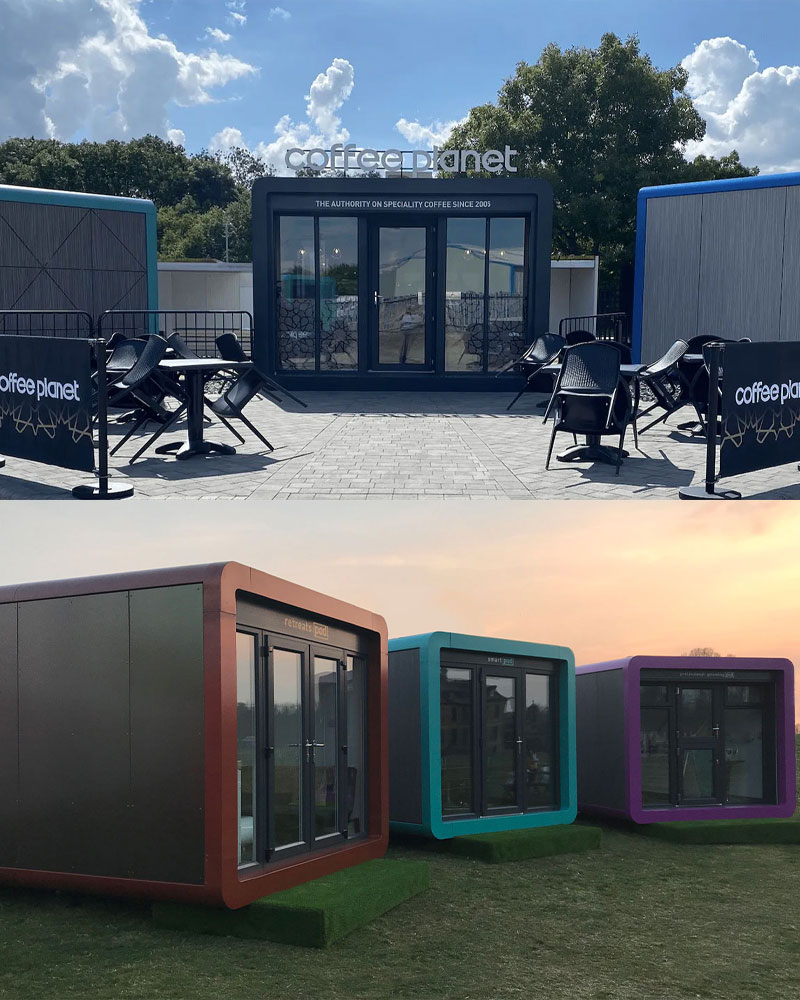
At SmartPod, this approach allows us to manufacture modular buildings in the UK before delivering and installing them for customers across education, retail, leisure, business and specialist applications.

Modular Construction for Education
Education provides an excellent example of why modular construction can be so effective.
Schools and colleges frequently need additional facilities while continuing to operate from their existing sites. Growing pupil numbers, changing curriculum requirements and the need for specialist spaces can all create pressure on available accommodation.
Traditional construction may provide the required space, but carrying out a lengthy building programme within an active education environment can create significant disruption.
Modular construction moves much of that work elsewhere.
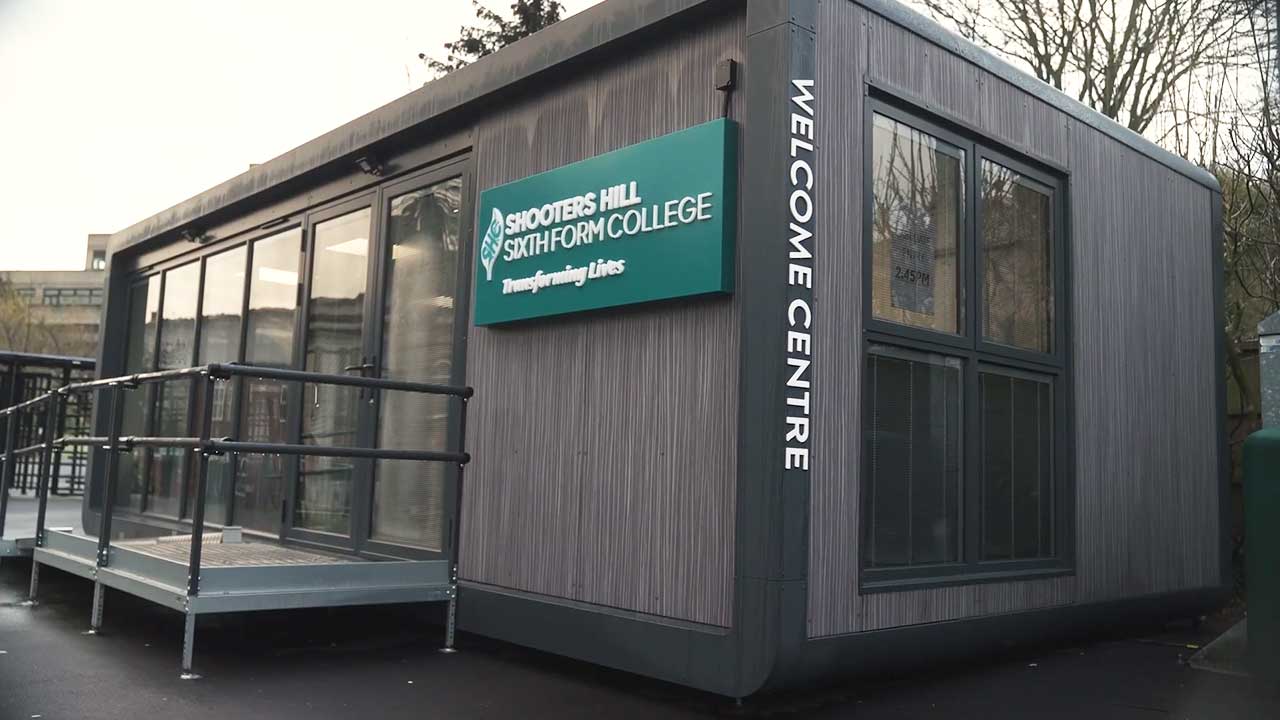
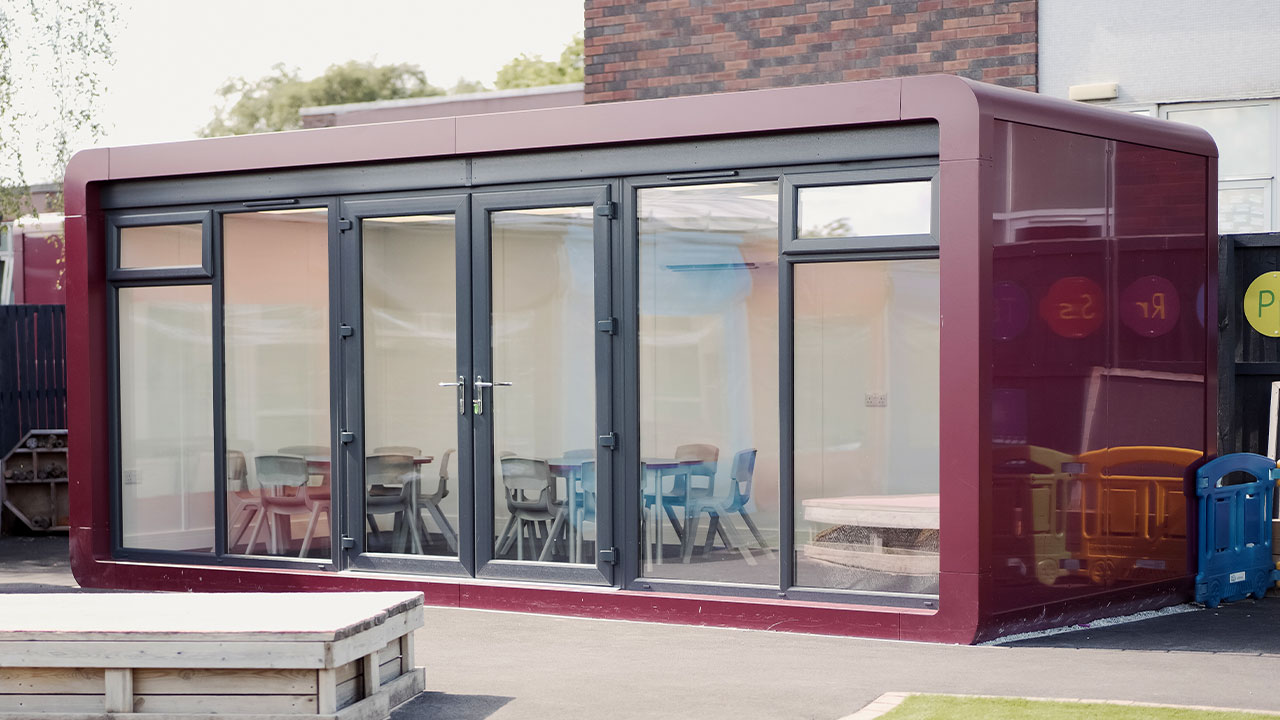
SmartPod’s education buildings can provide classrooms, breakout and intervention rooms, modular libraries and specialist sensory spaces, alongside other facilities.
The building can be designed around the particular educational requirement and manufactured away from the school or college while the site is prepared.
Once installed, students and staff gain a purpose-built, insulated facility suitable for regular year-round use.
Modular Construction for Retail
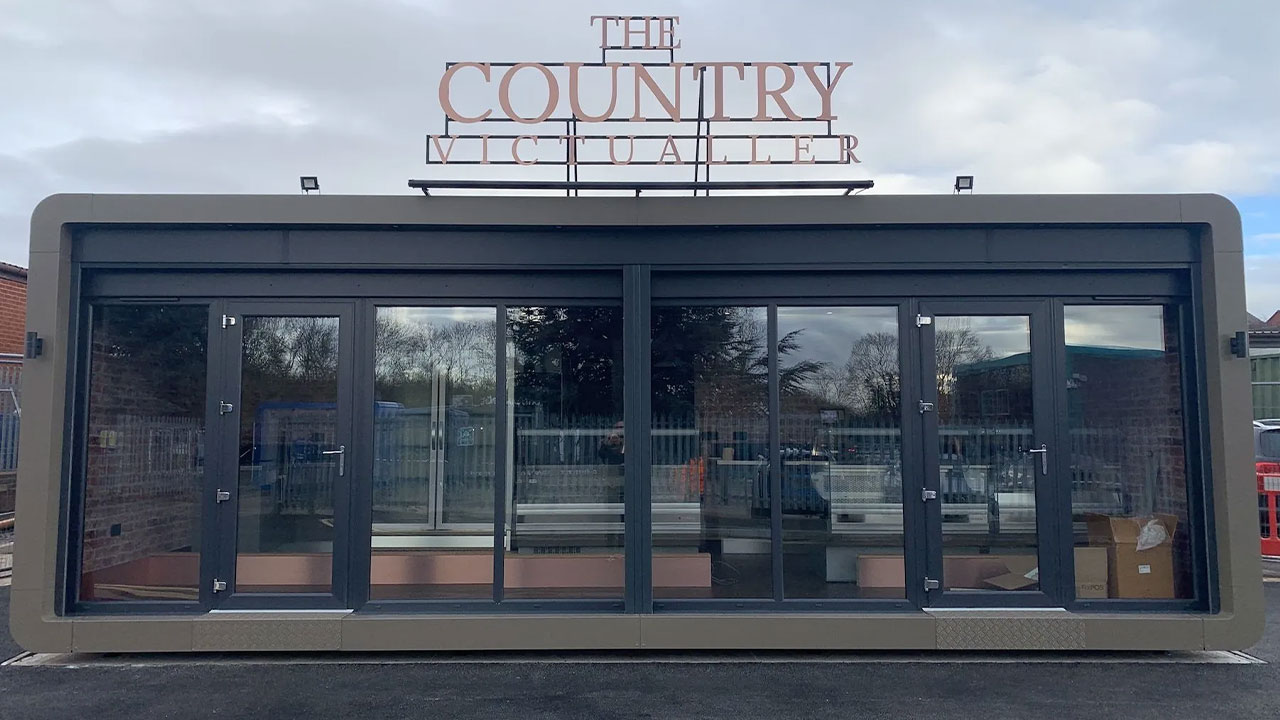
Modular construction can also provide considerable flexibility for retail and hospitality businesses.
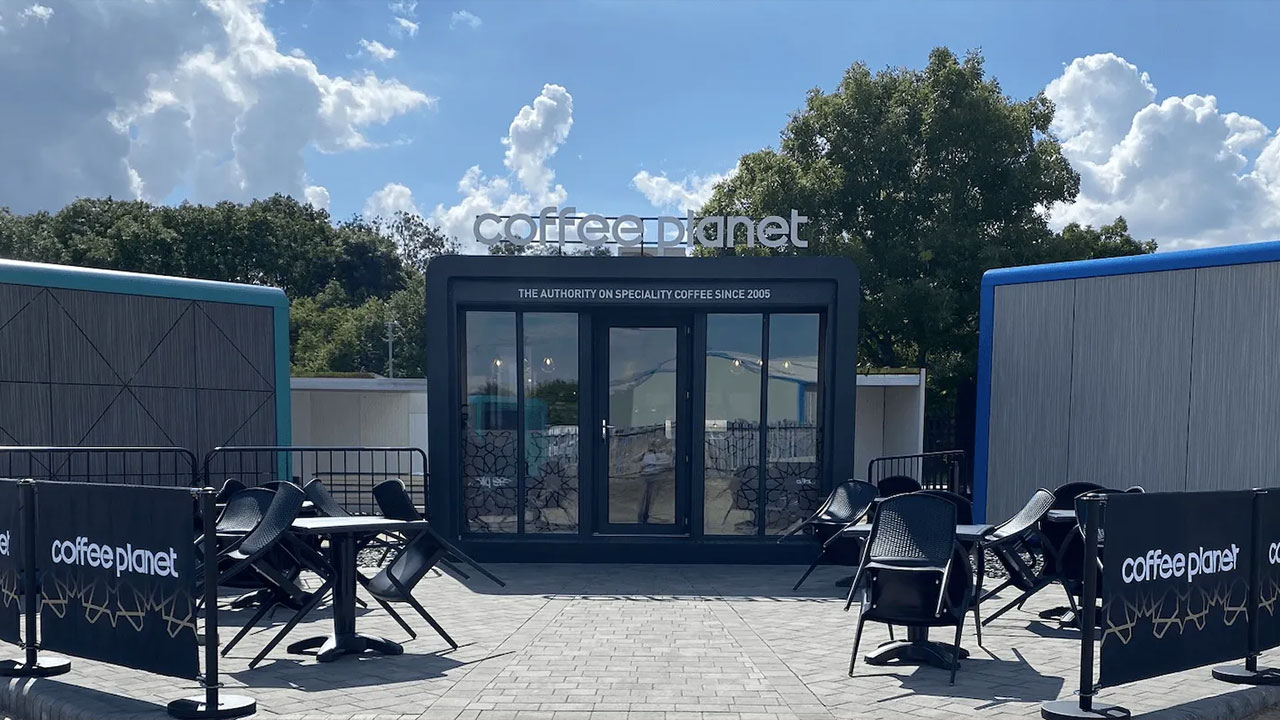
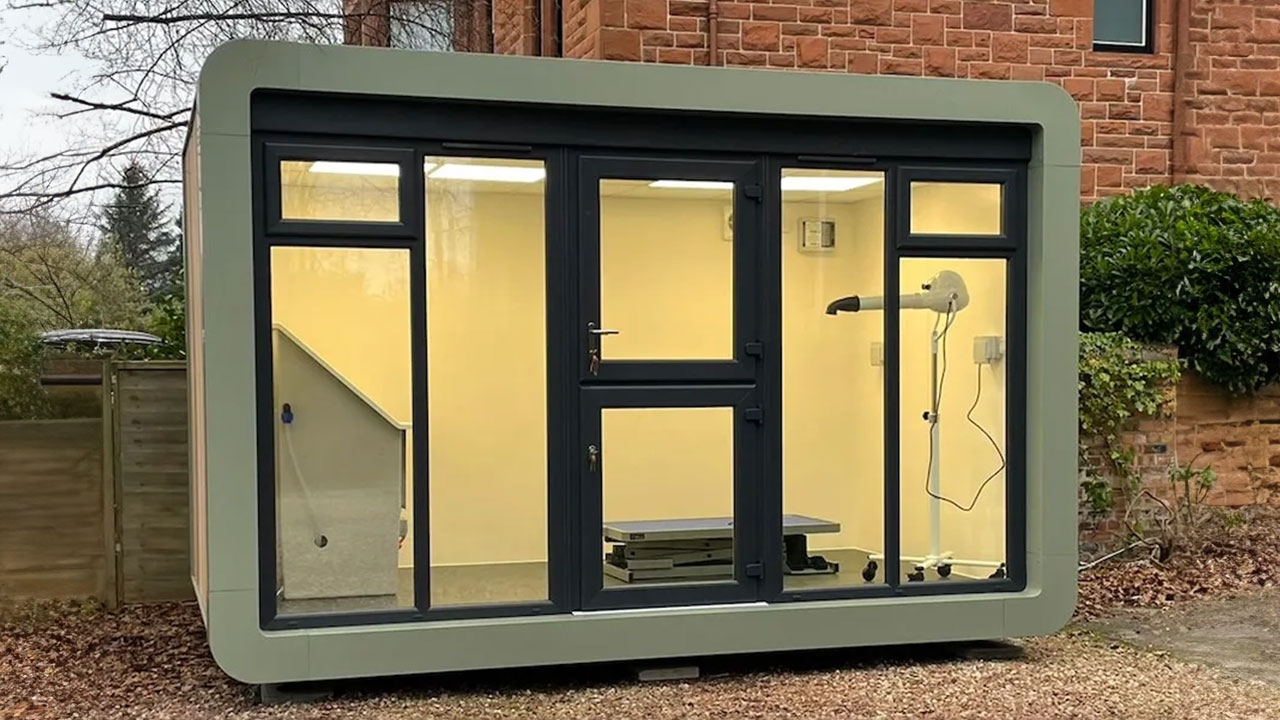
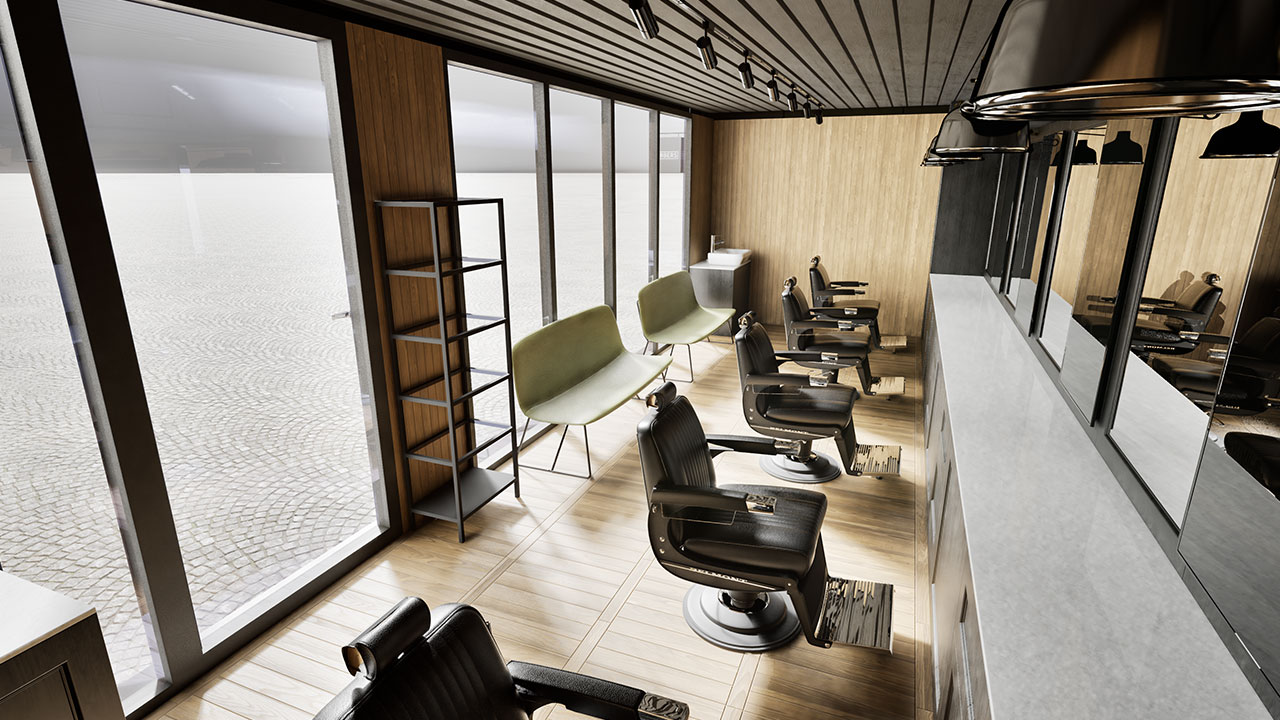
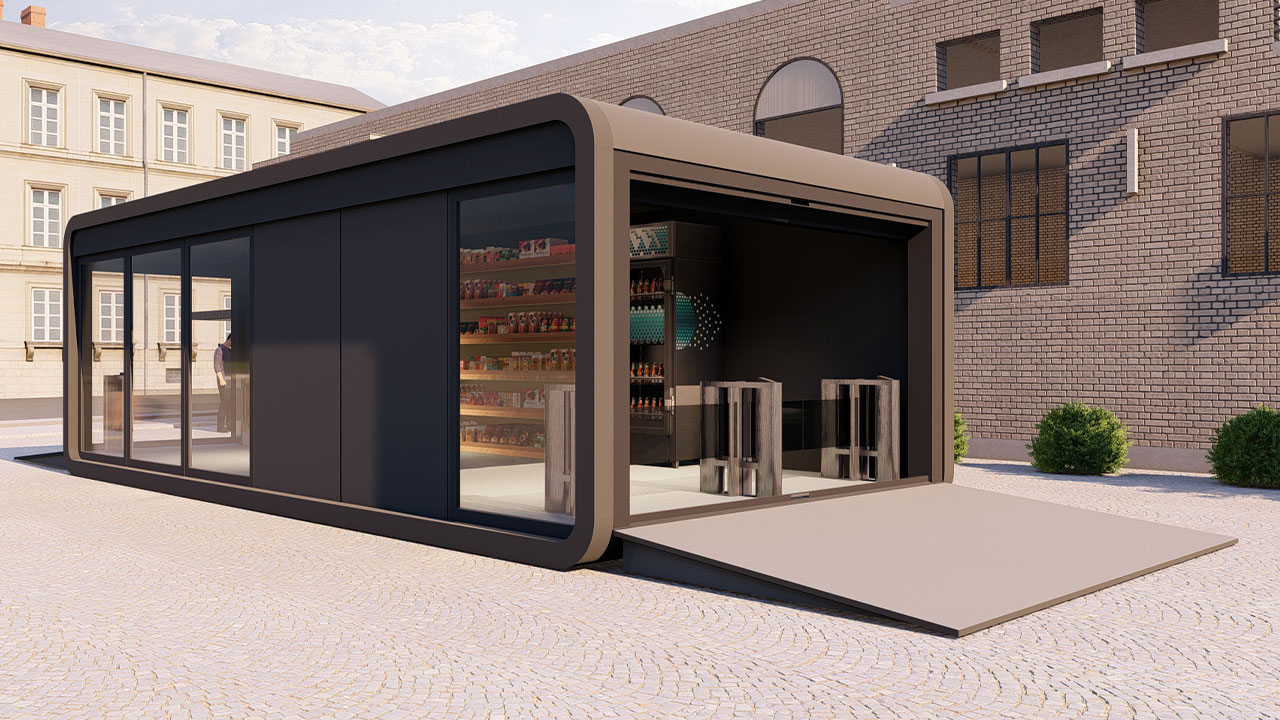
SmartPod buildings can be configured for applications including coffee shops, cafés, refreshment outlets, ice cream units, florists, barber and beauty businesses and pet grooming facilities.
The modular approach allows the building to be considered around the operation from the beginning.
Customer access, staff areas, counters, equipment, storage, windows and electrical requirements can all influence the final layout.
For a business, reducing the amount of construction activity taking place at the final location can also have commercial advantages.
Rather than maintaining an extensive onsite building programme, much of the structure can be completed elsewhere before delivery and installation.
This makes modular construction relevant not only because of how the building is manufactured, but because of how efficiently a new commercial space can potentially be brought into operation.

Modular Construction for Leisure
Leisure buildings can have highly individual requirements.
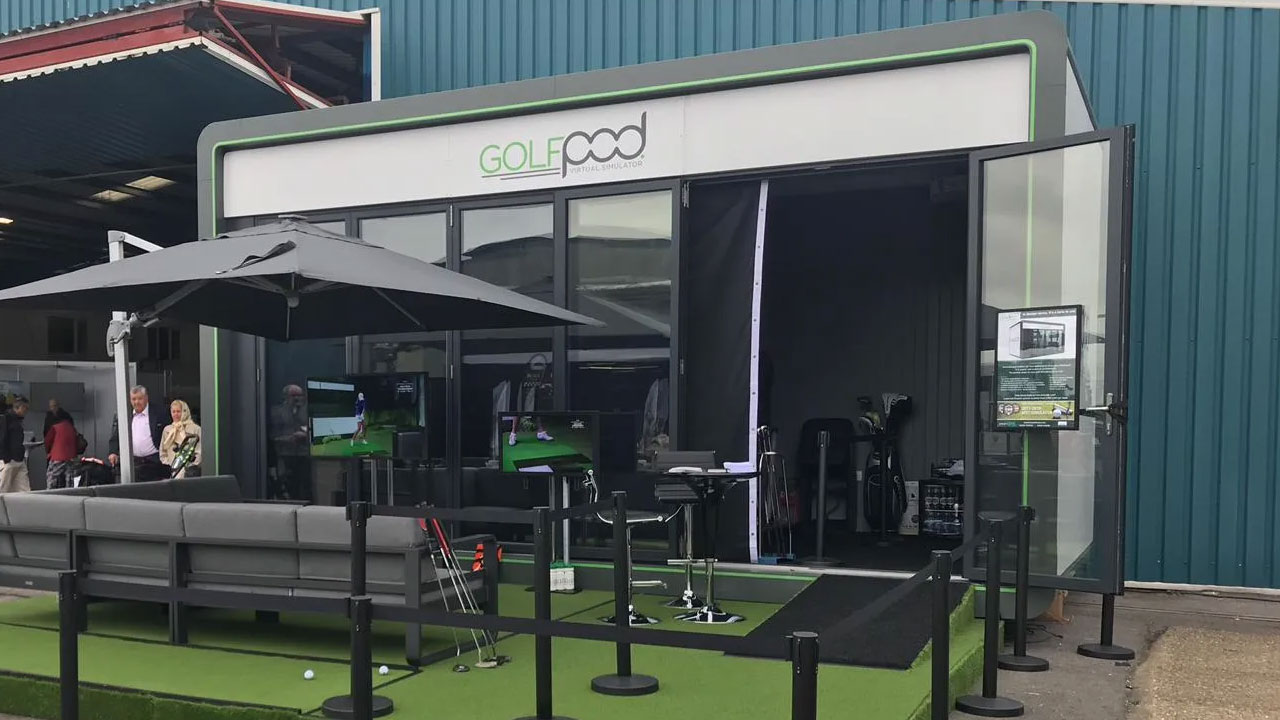
A gym needs open space and suitable provision for equipment. A golf simulator building needs dimensions appropriate for the activity. Changing or washroom facilities require an entirely different internal specification.
Modular construction provides the flexibility to develop buildings around these different applications while retaining the efficiencies of offsite manufacture.
SmartPod’s leisure buildings can be configured around the activity they need to accommodate, with insulation, heating, lighting and electrical provision helping create spaces suitable for use throughout the year.
The same approach can also provide reception, administration or other supporting facilities alongside established leisure operations.
Instead of assuming a modular building has one predetermined purpose, the structure can be designed around what the customer actually needs the space to achieve.
Modular Construction for Business
The need for additional office space does not always justify relocating an entire business or constructing a conventional extension.
Modular offices provide another option.
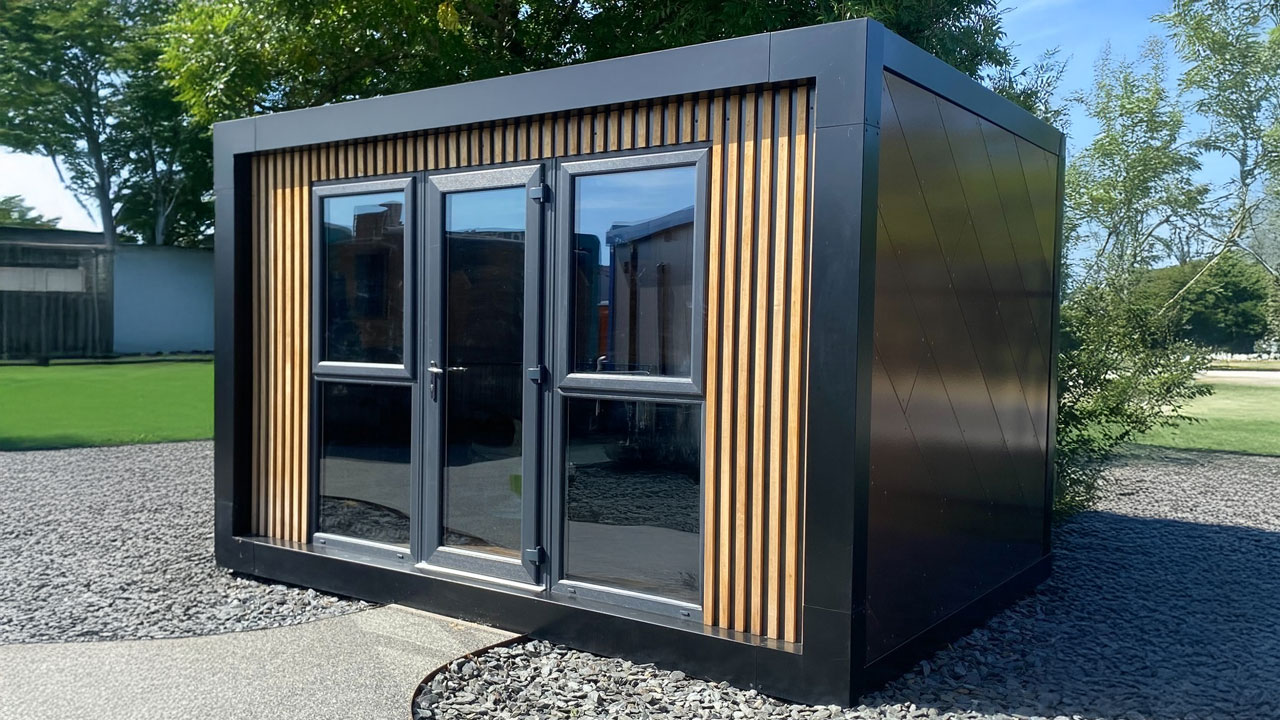
A SmartPod can be installed alongside existing premises to create additional workspace, meeting rooms, administration areas or facilities for a growing team.
The approach is equally relevant on a smaller scale.
Remote and hybrid workers can use modular construction to create a dedicated office within a residential garden, separating their working environment from the main house without undertaking a conventional home extension.
In both situations, the fundamental principle is identical.
The office is manufactured away from its final location, the site is prepared separately, and the completed workspace is then installed where it is required.
This scalability demonstrates why modular construction can be relevant to everyone from individual home workers to established organisations.
Purpose-Built Modular Construction
Perhaps the easiest way to understand the versatility of modular construction is to look beyond standard building categories altogether.
Not every requirement is simply a classroom, shop, office or leisure space.
Some customers need larger buildings, unusual configurations or several functions combined within one facility. Others have an entirely specialist idea that does not correspond with an existing building type.
SmartPod can create purpose-built and tailored modular buildings around these requirements.
The intended use, available site, internal layout, access, windows, doors, electrical provision and other important elements can all be considered before manufacturing begins.
This allows the efficiency of modular manufacture to be combined with a high degree of individualisation.
A modular building therefore does not have to be an off-the-shelf product.
The construction method can be standardised and efficient while the finished building is designed around a very specific purpose.
What Are the Benefits of Modular Construction?
Understanding what modular construction means becomes easier when looking at why organisations choose it.
The construction method can provide several practical advantages.
Faster Project Delivery
Because the building can be manufactured while the final site is simultaneously being prepared, stages that would traditionally take place one after another can overlap.
This can shorten the overall project programme considerably.
SmartPod projects typically have a lead time of approximately 8–12 weeks, although the precise programme naturally depends on the design, specification and individual site requirements.
Less Disruption Onsite
A substantial proportion of the construction process takes place away from the final location.
This means fewer construction activities need to occur onsite, potentially reducing noise, deliveries and general interference.
That can be particularly valuable at operational schools, colleges, workplaces, retail locations and leisure facilities.
Controlled Manufacturing Conditions
Manufacturing within a controlled environment reduces exposure to changing weather conditions and allows production processes to be carefully managed.
Materials and components can be handled consistently throughout manufacture, supporting reliable construction quality.
Long-Term Performance
Modular does not have to mean lightweight, temporary or disposable.
A high-quality modular building can be designed for decades of use and specified to provide comfortable internal conditions throughout the year.
Flexibility
The modular approach can accommodate very different building types and layouts.
It can also provide useful future flexibility. Depending on the design and circumstances, modular buildings may be relocated or potentially adapted as requirements change.
So, What Does Modular Construction Mean?
At its simplest, modular construction means manufacturing a building in separate modules away from its final location before transporting and installing those modules onsite.
With volumetric modular construction, those modules are three-dimensional structures that can already incorporate much of what is required from the finished building.
For SmartPod customers, that means much of the construction can happen away from their school, business, leisure facility, retail location or home while preparation takes place onsite.
But the construction method is only part of the story.
A modern modular building can be permanent, comfortable, highly insulated and designed around a specific purpose. It can provide everything from a classroom or library to an office, café, gym or completely tailored facility.
SmartPod combines those possibilities with UK manufacture, timber-free construction, a comprehensive turnkey service, a 10-year structural warranty and buildings designed for more than 35 years of use.
Modular construction may change where and how a building is made, but the ultimate objective remains exactly the same: creating a high-quality space that works for the people who use it.