What to Look for in a Modular Building Provider

Looking Beyond the Design and Headline Price

Choosing the right Modular Building Provider means looking beyond the exterior design and headline price.

The right supplier should should help you understand how the space will work, what your site requires and what is included in the project.

Whether you are comparing commercial modular buildings, exploring modular office pods or planning a school pod project or modular classrooms, the most useful questions concern quality, suitability and delivery.

At SmartPod, we believe the starting point should be the people using the building. Understanding their needs helps shape decisions about layout, materials, services and finishes.

This guide explains what to look for when choosing a modular building provider with practical questions to help you compare proposals.
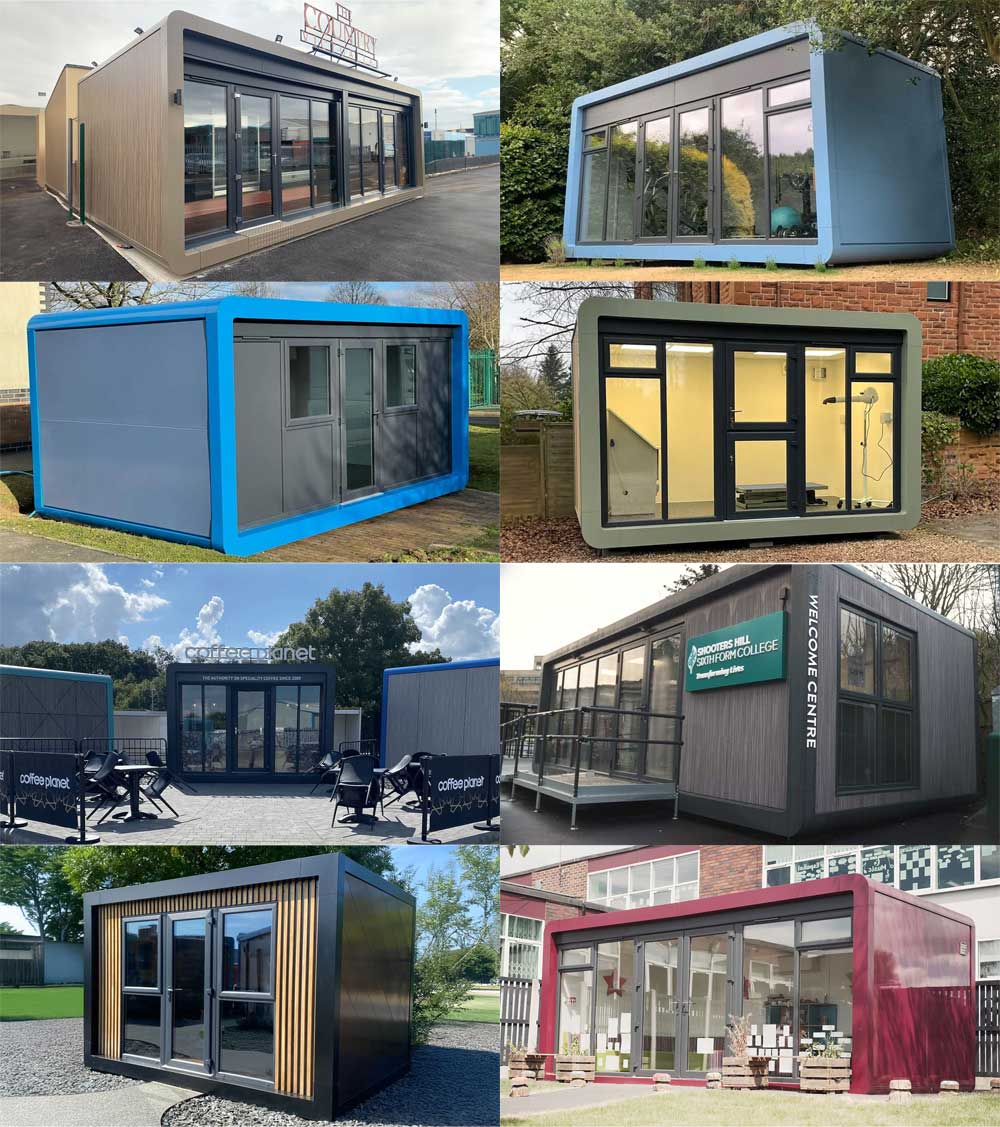
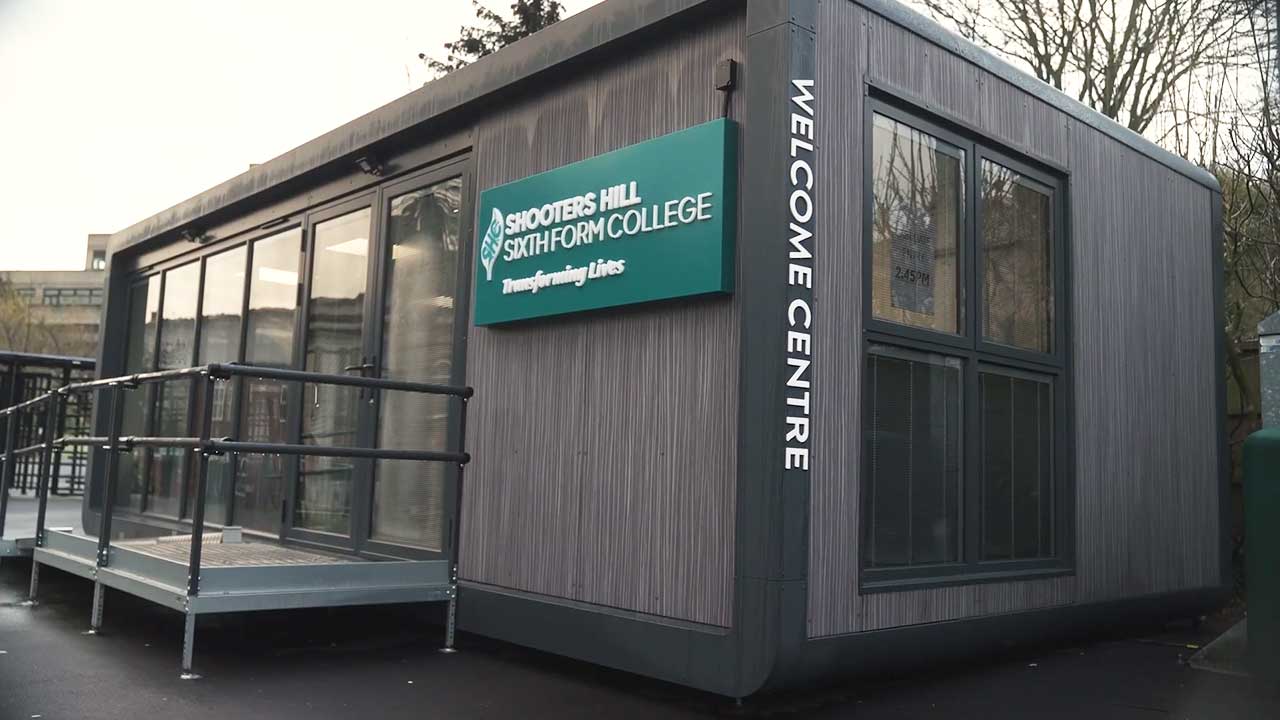
Modular Buildings by SmartPod
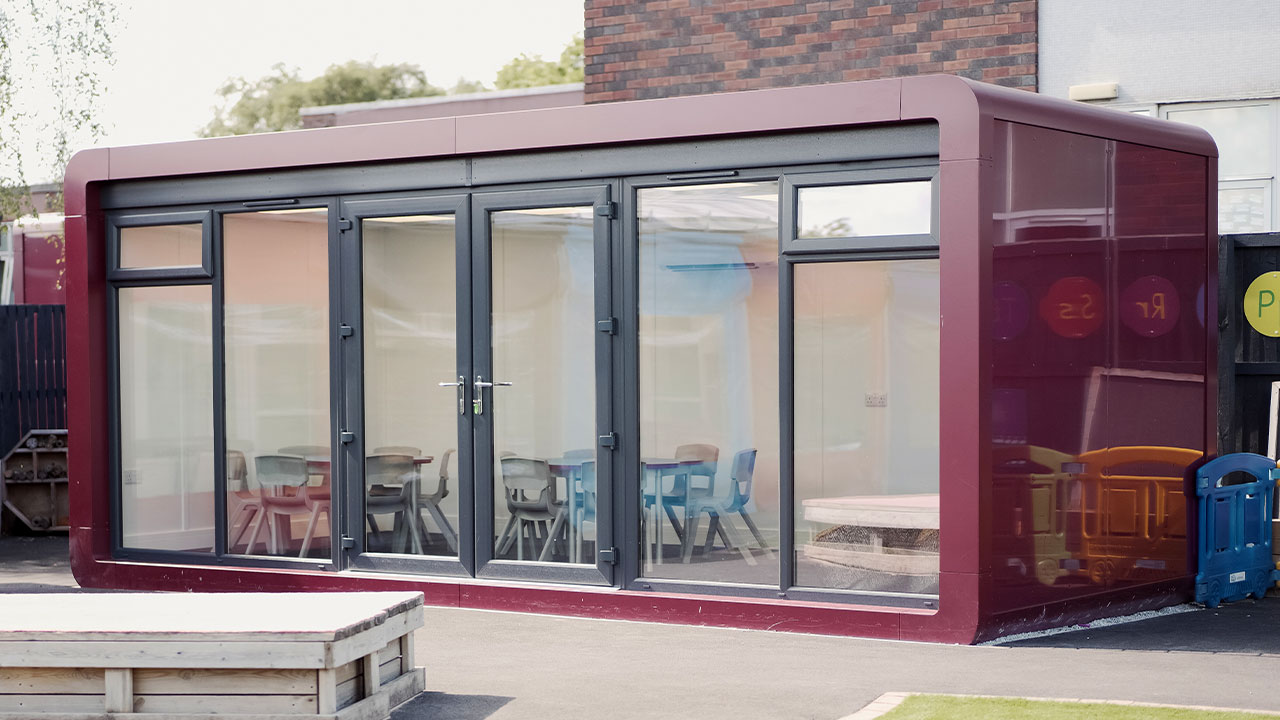
Modular School Meeting Pod by SmartPod
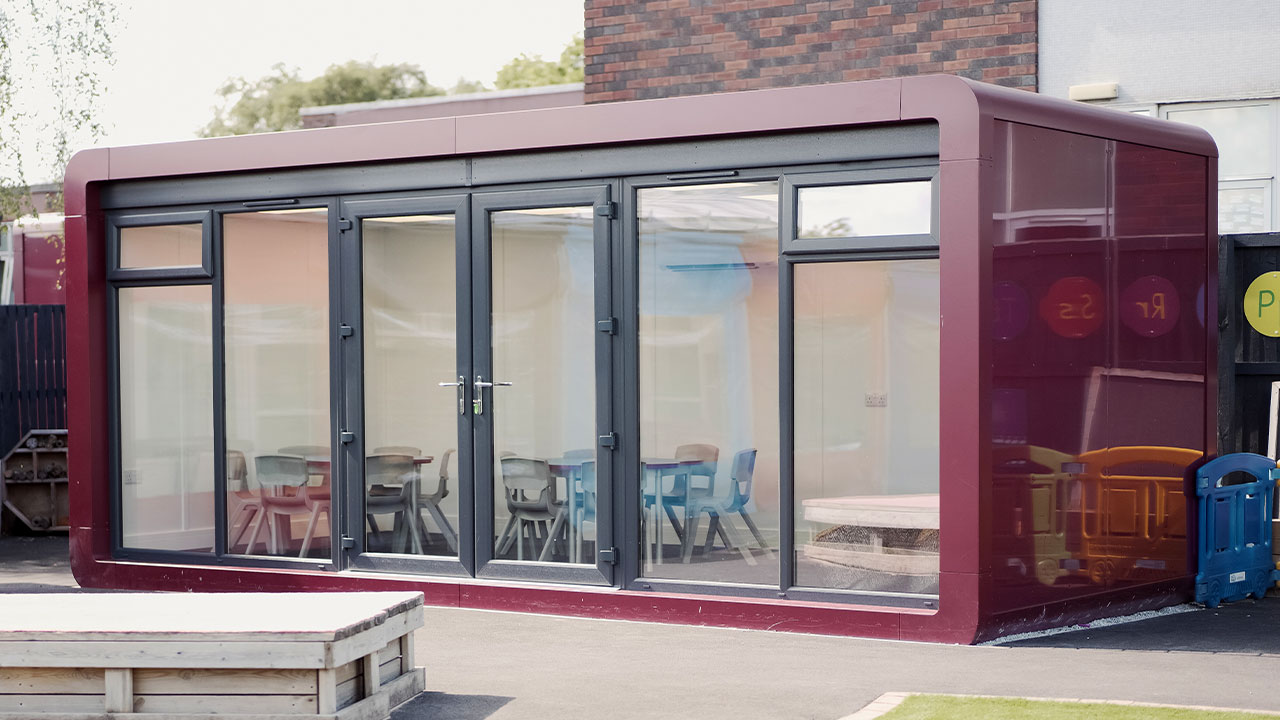
Modular Classroom Pod installed at a UK school

1   Choose a Provider That Understands Your Intended Use

Before recommending a building, a supplier should understand what you want to achieve.

An office, classroom and gym may occupy a similar footprint, but each requires a different approach to layout and specification. As whether the proposed design accounts for the activities, equipment and number of people involved.

Start by explaining:

  • What the building will be used for

  • What equipment, furniture and storage it needs

  • Whether your requirements could change

  • How many people will use it at once

  • Whether customers, visitors or learners will attend

The range of uses across SmartPod modular buildings illustrates why this matters. A building should be assessed against its intended purpose, with clear explanations of how the proposal meets your brief.

2   Look for Relevant Completed Projects

A providers previous work can help you assess its experience and understand the finish you can expect.

Request photographs and case studies showing projects similar to yours. If you are comparing commercial modular buildings, look for examples that explain the customer’s requirements and how the completed space addressed them.

For school projects, examples of modular classrooms or other education spaces may be more useful than photographs of domestic garden rooms.

When reviewing SmartPod designs or another supplier’s portfolio, distinguish between completed installations, showroom buildings and concept visuals. All can help with decision-making, but they provide different evidence.

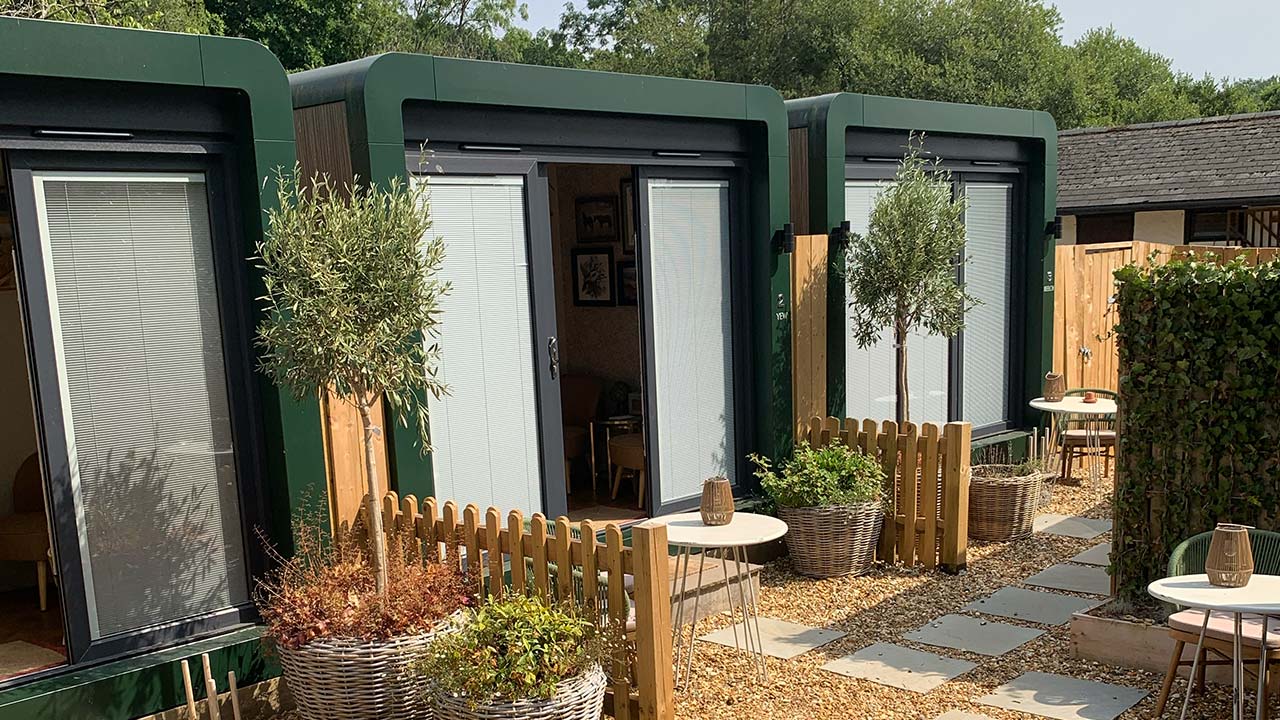
Retreat Pods installed by SmartPod
Completed modular classroom building for a primary school

3   Compare Building Specifications, Not Just Appearance

Two buildings can look similar while having different materials, performance and maintenance requirements.

For a building used throughout the year, discuss winter comfort, summer temperatures and condensation management.

When comparing exterior finishes, consider how they will weather and what maintenance they require. Ask for samples where possible: a smooth wood effect panel, for example, can look different from timber cladding and require different care.

A detailed specification makes it easier to assess whether quotations offer comparable buildings.

Ask for a specification covering: 

  • Structure and construction materials

  • Roof, wall and floor build-ups

  • Installation and supporting performance information

  • Doors, windows and glazing

  • Internal and external finishes

  • Heating, ventilation and lighting

  • Electrical and other service provisions

4   Check the Layout Against Your Type of Modular Building

The external dimensions alone will not tell you whether a building works in practise. Request a scaled floor plan showing internal dimensions, door openings, furniture, equipment and service positions.

Modular Office Pods

For modular office pods, check desk depth, chair clearance, storage and space for visitors if necessary. Consider where screens will sit in relation to windows, how calls will be handled and where sockets and internet connections are needed.

A compact SmartPod office pod concept can help you explore possible arrangements, but your final layout should reflect the equipment and working habits of its users.

Modular Classroom and School Pods

When comparing modular buildings for schools, consider pupil numbers, staff supervision, storage , circulation and accessibility.

A school pod intended for individual support will need a different layout from a teaching room for a larger group. Discuss the planned activities before settling on size or glazing.

Home Gym Spaces and Gym Pods

For a gym pod, check equipment dimensions and the operating clearances specified by equipment manufacturers. Think about ventilation, flooring, equipment loads and a clear entrance route. SmartPod assist along every step of the decision making process.

Sensory Pods for Schools

A sensory pod requires a brief based on the needs of its users always ensure you discuss lighting controls, acoustics, equipment, supervision and how the room will be used.

The design should be informed by the people responsible for supporting those users, rather than selected on appearance alone.

5   Ask How Your Site Will Be Assessed

A suitable design needs a workable delivery and installation plan.

Provide photographs, and details of the proposed location early. Your modular building provider should explain what further surveys or assessments are needed before confirming the installation approach.

Discuss ground conditions, foundations, delivery access, lifting arrangements and nearby obstacles. Confirm how electricity, water, drainage and internet connections will reach the building where required.

For commercial premises and schools, also ask how installation activities will be coordinated around normal operations.

Whether considering a SmartPod or another modular building see our process for how we handle this, establish who is responsible for each element of site preparation and connection work.

6   Clarify Planning and Approval Responsibilities

Do not assume that a building avoids planning requirements because it is modular or described as portable.

Requirements depend on the project, including its location and intended use. Planning permission and building regulations approval are separate matters, and a project may need both.

Ask who will establish which approvals are required, prepare supporting information and manage applications. Clarify whether the relevant fees are included.

Requirements should be checked for the relevant UK nation and local circumstances. 

Record the agreed responsibilities before proceeding. 

7   Compare the Full Project Cost

A headline building price may not include everything needed to make the space usable.

When comparing a SmartPod proposal with another quotation, use the same brief and check that the dimensions, specification and installation scope align.

Ask which figures are fixed, which are allowances and what could trigger additional costs. Understand how changes will be authorised before work begins.

Request an itemised quotation and check the treatment of:

  • VAT

  • Foundations and Groundworks

  • Delivery, lifting and installtion

  • Heating, lighting and internal finishes

  • Service Connections

  • Drawings, surveys and approval fees

  • Access arrangements and site reinstatement

8   Review the Programme and Communication Process

Ask for a programme that explains the stages between order and handover.

Clarify whether the lead time begins after the deposit, design approval, permissions or confirmation that the site is ready. Ask what circumstances could effect the delivery date.

You should know who your main contact will be, how progress will be communicated and how decisions will be recorded.

Review payment milestones, cancellation terms and arrangements for delays. Clear answers at the quotation stage help you understand how the project will be managed.

9   Check Warranty and Aftercare Arrangements

Before committing, request written warranty information.

Check what is covered, who provides the cover, how long it lasts and what exclusions or maintenance conditions apply. Different parts of a building may have different warranties.

Ask how to report a problem an how outstanding work will be recorded at handover. Confirm which operating instructions, maintenance guidance and completion documents you will receive.

Understanding aftercare makes it easier to compare the ongoing support offered by different providers.

Modular Building Provider Checklist

Before choosing your supplier make sure you have:

  • A proposal based on your intended use

  • A detailed specification and scaled layout

  • Clear responsibilities for permissions and connections

  • Agreed payment terms and a realistic programme

  • Relevant examples of completed projects

  • An assessment of site and delivery requirements

  • An itemised quotation with exclusions explained

  • Written warranty and aftercare information

FAQs

Frequently Asked Questions

Everything you need to know when comparing modular building providers.

How do I compare modular building providers ?

Give each supplier the same brief and compare the specification. Ask for eveidence of relevant completed work.

What should I check when choosing commercial modualar buildings?

Consider how the building will support daily operations. Check occupancy, accesibility, layout, services, mainataince and installtion aggreements.

What should schools look for in modular classrooms?

Schools should consider the intended activities, pupil numbers, supervision, storage, comfort and accessibility. Delivery and installtion requirements should align with how the school operates.

Can modular office pods be tailored to differnt working environments?

Ask your provider which dimansions, layouts, glazing arrangements, finishes and service positions can be specified. A one-person workspace and a meeting room will have differnt requirements, so confirm avaliable options before ordering.

Does a modular building need planning permission?

It may do. Requirements depend on the location, use and project details. Check with the local relevant planning authority or a qualified adviser and stablish whether building regulation approval is required.

Discuss Your Modular Building Requirements With SmartPod

Choosing a provider is about understanding both the finished building and the work needed to deliver it.

As a UK modular building company, SmartPod offers purpose-built modular spaces for education, business, retail and leisure applications. Exploring examples relevant to your project can help you refine your brief and identify your priorities.

Need Further Assistance?

Feel free to contact us about any of our modular buildings for education, retail, leisure, and business.