MMC Construction Explained
MMC construction refers to Modern Methods of Construction, an umbrella term used to describe building techniques that improve upon or provide alternatives to conventional onsite construction. Rather than relying on almost every element of a building being constructed at its final location, MMC can involve manufacturing complete buildings, structural systems or individual components within a controlled factory environment before transporting them to site.
One of the most significant forms of MMC is volumetric modular construction. This involves manufacturing complete three-dimensional building modules offsite, with elements such as the walls, floor, ceiling, insulation, windows, doors, electrics and internal finishes incorporated before the building reaches its final destination.
This is the approach at the heart of SmartPod’s modular buildings.
Modern Methods of Construction have become increasingly important within the UK as organisations look for faster, more efficient and more predictable ways to create new buildings. Moving significant stages of construction into controlled manufacturing environments can reduce onsite disruption, improve consistency and allow site preparation and building manufacture to happen simultaneously.
MMC is not, however, another name solely for modular construction. The term covers a much wider collection of construction methods, ranging from complete volumetric modules to panelised systems and factory-manufactured building components.
In simple terms, MMC construction means using modern manufacturing and construction techniques to build more efficiently than relying entirely on traditional onsite methods. Modular buildings are one of the clearest examples of how those principles can be put into practice.
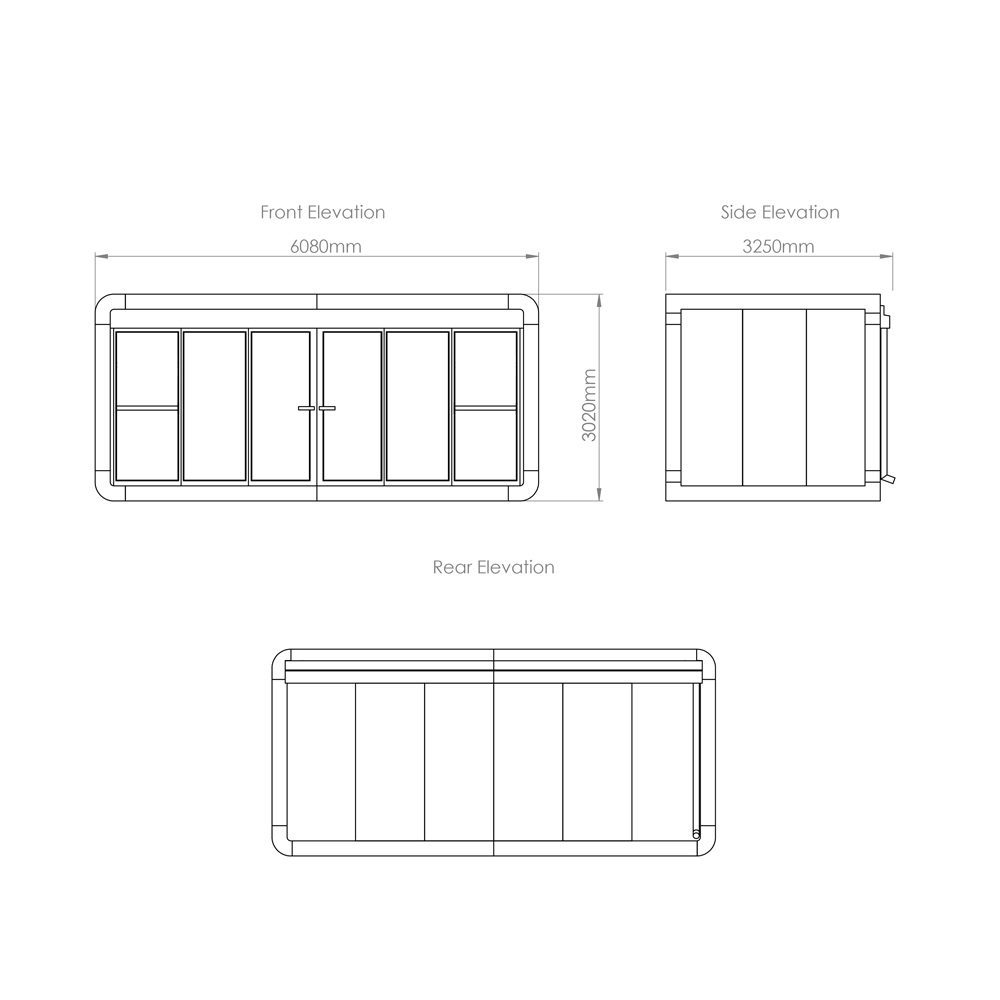
What Does MMC Stand For in Construction?
MMC stands for Modern Methods of Construction.
Rather than referring to one particular material or building system, it describes a range of approaches that use manufacturing, technology, standardisation and offsite production to improve the way buildings are delivered.
Traditional construction typically involves transporting individual materials to site before numerous trades progressively construct the building. Foundations are completed, followed by the structure, roof, external envelope, services and interior.
Modern Methods of Construction can shift substantial parts of this process away from the final site.
A modular building, for example, can be manufactured as a three-dimensional structure within a controlled environment while foundations and other site preparations are completed separately. Once both are ready, the building is transported to its destination and installed.
This ability to carry out different stages concurrently is one of the reasons MMC can provide significant programme efficiencies.
Modern Methods of Construction can be used for permanent buildings across many sectors, including education, commercial premises, leisure facilities and retail environments.
Is MMC the Same as Modular Construction?
MMC and modular construction are closely related, but they do not mean exactly the same thing.
MMC is the broader category, while modular construction is one method that sits within it.
The UK MMC framework encompasses several different approaches to construction and pre-manufacturing. These range from complete three-dimensional structural systems through to individual components manufactured away from the building site.
Volumetric modular construction is generally associated with Category 1 MMC – pre-manufacturing (3D primary structural systems).
With this method, a building is manufactured as one or more three-dimensional modules. Considerable work can be completed before the modules leave the manufacturing environment, meaning they arrive onsite as highly developed structures rather than simply a collection of materials.
Panelised construction takes a different approach. Walls, floors or roof sections may be manufactured offsite as two-dimensional components before being assembled into a three-dimensional building at the final location.
Other MMC approaches can involve individual structural components, pods, sub-assemblies or innovative onsite processes.
Therefore, while a modern volumetric modular building can be an excellent example of MMC, it is important to recognise that not every project described as MMC is necessarily modular.
How Does MMC Construction Work?
There is no single MMC construction process because the term encompasses multiple building methods. However, offsite manufacturing is central to many of its most recognisable applications.
With volumetric modular construction, the process begins by establishing what the building needs to achieve. Its dimensions, layout, intended use, services and finishes can be considered before manufacturing starts.
The building is then manufactured within a controlled environment. Instead of exposing materials and unfinished construction work to changing weather conditions, production can progress consistently under factory conditions.
At the same time, work can begin at the final location.
The site can be surveyed and foundations, service connections and other necessary groundworks prepared while the building itself is taking shape elsewhere.
Once manufacturing and site preparation are complete, the modules are transported to their final destination and installed onto the prepared foundations. Final connections and commissioning can then be completed.
The amount of work transferred away from the site is one of the defining differences between this form of MMC and conventional construction.
What Are the Benefits of MMC Construction?
The growing interest in Modern Methods of Construction is driven by the practical advantages they can offer over construction processes that depend almost entirely on onsite activity.
Faster Construction Programmes
One of the most important benefits is the opportunity to overlap manufacturing and site preparation. With traditional construction, many stages need to be completed sequentially. MMC allows certain processes to take place at the same time, potentially reducing the overall period between design and completion.
Reduced Onsite Disruption
Moving construction activity away from the final site means fewer processes need to take place there. This can be particularly valuable for schools, businesses, leisure facilities and retail environments where existing operations need to continue while additional space is being created.
Controlled Manufacturing
Factory production provides a more consistent environment for construction. Materials can be protected from adverse weather and manufacturing processes can be closely monitored, helping achieve consistent quality across individual buildings.
Reduced Material Waste
Controlled production allows materials to be planned, measured and managed efficiently. This can help reduce unnecessary waste compared with less predictable onsite processes.
Greater Programme Predictability
Weather, access and the coordination of multiple onsite trades can all influence conventional construction schedules. Completing substantial parts of a building within a controlled manufacturing environment can provide greater certainty around production.

SmartPod and Modern Methods of Construction
SmartPod demonstrates how the principles behind Modern Methods of Construction can translate into practical, everyday buildings.
Our modular buildings are manufactured offsite, allowing a significant proportion of the construction process to take place within a controlled environment before installation.
Rather than treating modular construction as a temporary solution, SmartPod creates high-quality buildings intended for long-term use.
Our buildings incorporate 100mm insulated composite panels, helping create comfortable internal environments suitable for use throughout the year. LED lighting, RCD-protected electrical sockets, integral heating, non-slip flooring, hygienic wall linings and suspended ceilings can provide the essential features required for a finished, functional space.
SmartPod buildings are also completely timber-free and designed to require minimal ongoing maintenance. With an anticipated lifespan exceeding 35 years and a 10-year structural warranty, they demonstrate how modern modular construction can provide a genuine long-term alternative to conventional building methods.
The modular approach also enables us to respond to a wide variety of requirements. Buildings can be designed around the intended application rather than forcing customers into a single predetermined format.
A Turnkey Approach to Modular MMC
The benefits of MMC extend beyond the way the building itself is manufactured.
SmartPod can provide a complete turnkey service covering the journey from the initial concept through to the finished installation.
This can include consultation, site surveying, groundworks, manufacture, delivery and installation, providing clients with a coordinated approach to creating their new building.
Foundation requirements can be addressed using solutions including RADIX ground screws, helping create secure foundations while reducing the need for extensive traditional concrete groundworks in suitable applications.
While the site is being prepared, manufacturing can progress separately, reflecting one of the fundamental efficiencies offered by offsite modular construction.
Once ready, the building can be transported to its destination for installation. SmartPod buildings can be supplied as completed units or, where site access creates challenges, a flat-pack approach can provide an alternative installation solution.
This combination of controlled manufacture and streamlined site preparation helps make MMC relevant not simply as a construction-industry concept, but as a practical way for organisations to gain the space they require.
Modern Methods of Construction for Education
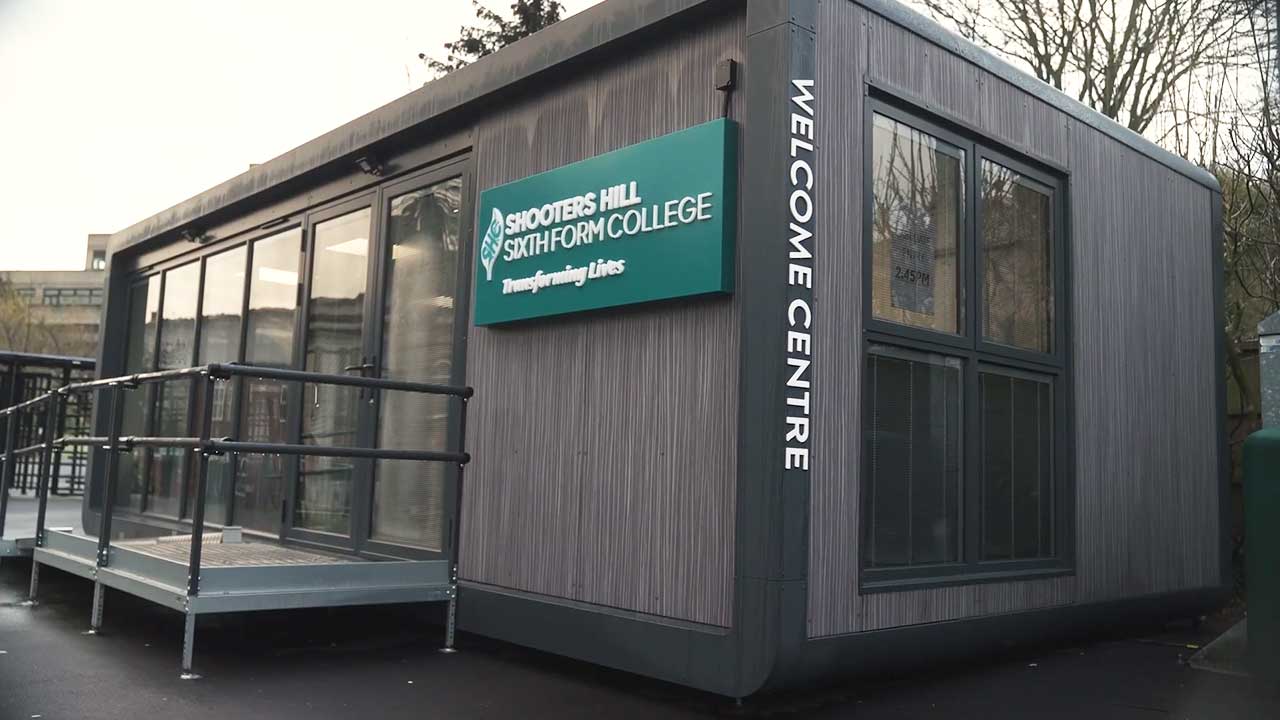
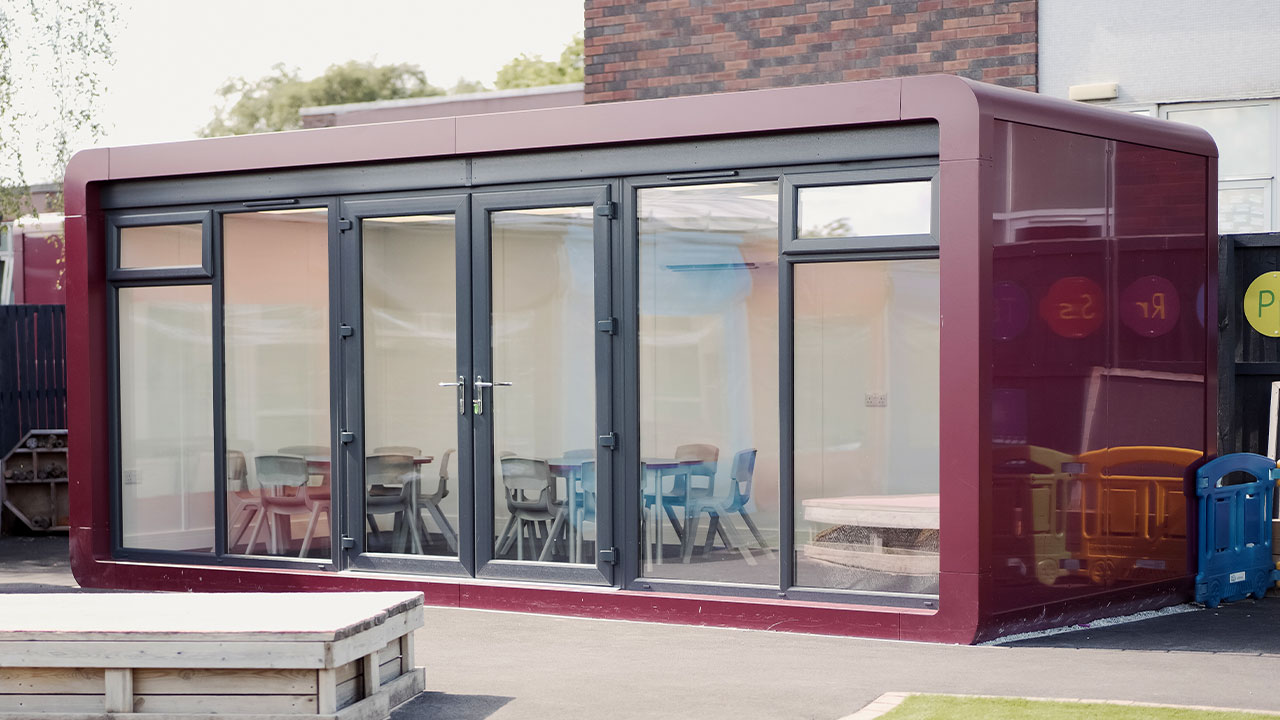
Education is particularly well suited to the advantages offered by MMC.
Schools, colleges and other education providers frequently need additional space while continuing to operate around pupils, students and staff. A lengthy conventional construction programme can introduce noise, deliveries, contractors and disruption into an already busy environment.
SmartPod modular buildings move much of that activity away from the education site.
Our education range can provide classrooms, breakout and intervention spaces, modular libraries and specialist sensory environments, alongside other facilities required by modern schools and educational organisations.
Buildings are insulated for year-round use and can be designed around the particular function of the space. This means an education provider can address a specific requirement rather than undertaking a much larger redevelopment simply to obtain additional capacity.
The speed and reduced disruption associated with modular MMC also provide greater flexibility when responding to changing pupil numbers, curriculum requirements or the need for specialist facilities.
Modern Methods of Construction for Retail
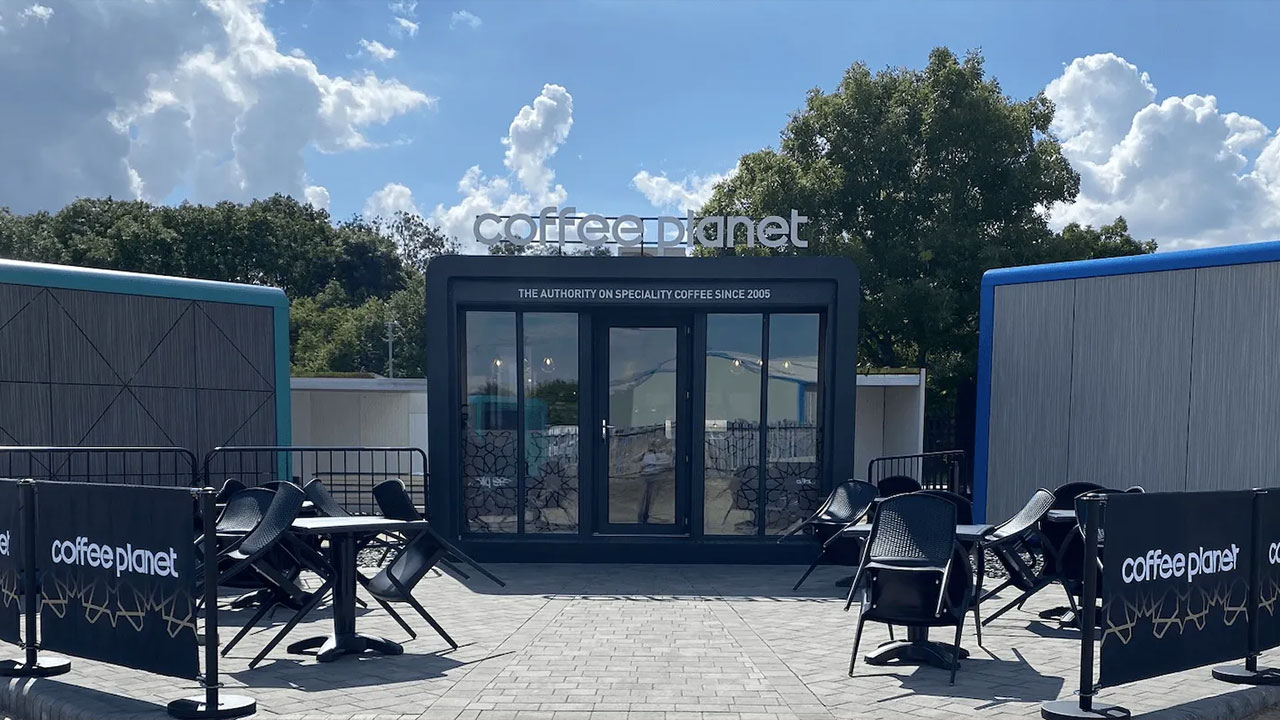
Retail businesses need buildings that work commercially as well as structurally.
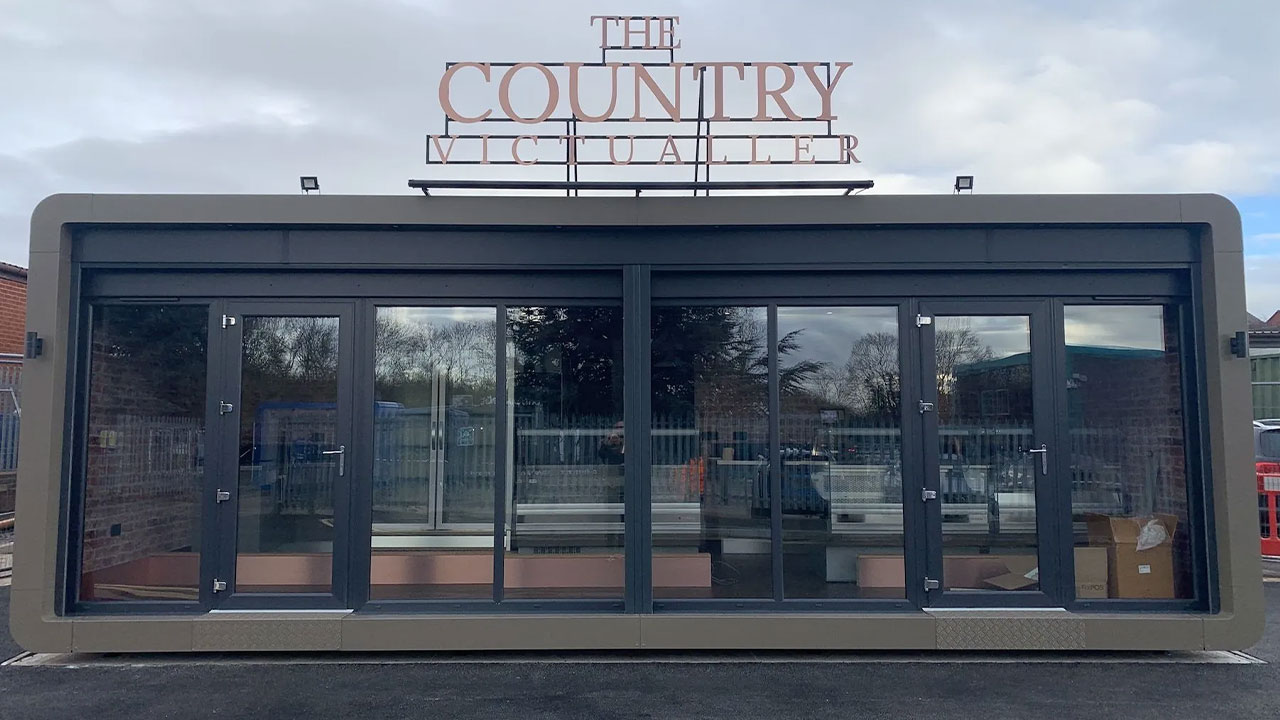
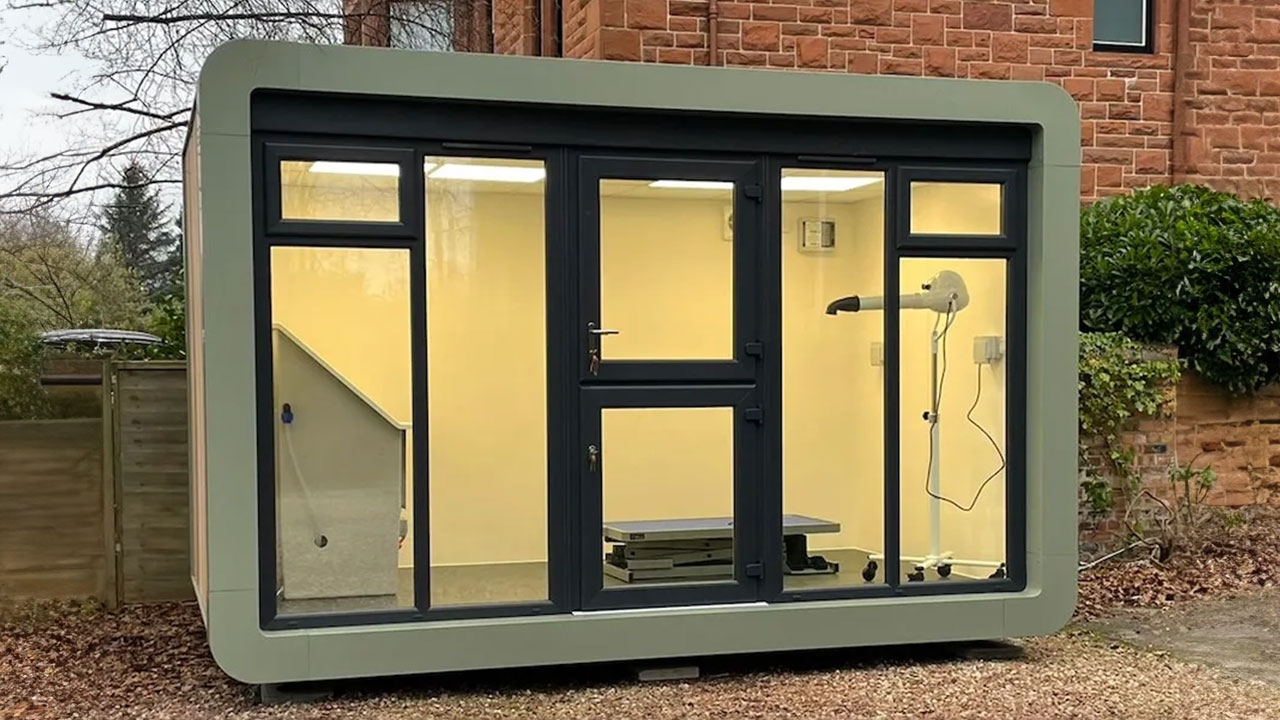
SmartPod applies modular construction to a diverse range of customer-facing environments, including coffee shops, cafés, refreshment units, ice cream outlets, florist shops, barber shops, beauty businesses and pet grooming facilities.
Each application has different requirements. A café may prioritise serving space and customer flow, while a beauty or grooming business may require specialist internal layouts and service provision.
MMC allows these requirements to be incorporated into the building during the design and manufacturing stages.
For a retail operator, the reduced onsite programme can also be commercially important. The sooner a new building can be installed, completed and brought into operation, the sooner it can begin serving customers.


Modern Methods of Construction for Leisure
Leisure environments can also benefit from the adaptability of modern modular buildings.
Whether additional space is required for fitness, recreation, changing facilities or another specialist use, SmartPod can design a modular building around the activity it needs to accommodate.
Factory manufacture provides a consistent approach to construction, while insulated panels, heating, lighting and electrical provision help create comfortable facilities capable of regular year-round use.
For existing leisure organisations, reduced onsite disruption can be especially valuable. Rather than turning part of an operational site into a construction area for an extended period, much of the building can be completed elsewhere before being brought to its final location.
The result is a modern facility that demonstrates the practical flexibility at the heart of MMC.
Modern Methods of Construction for Business
Businesses often need additional space considerably faster than a traditional building project can provide it.
Growth may create a requirement for new offices, meeting areas or additional operational space, yet relocating an entire organisation simply to gain extra capacity can be expensive and disruptive.
SmartPod modular office buildings provide another option.
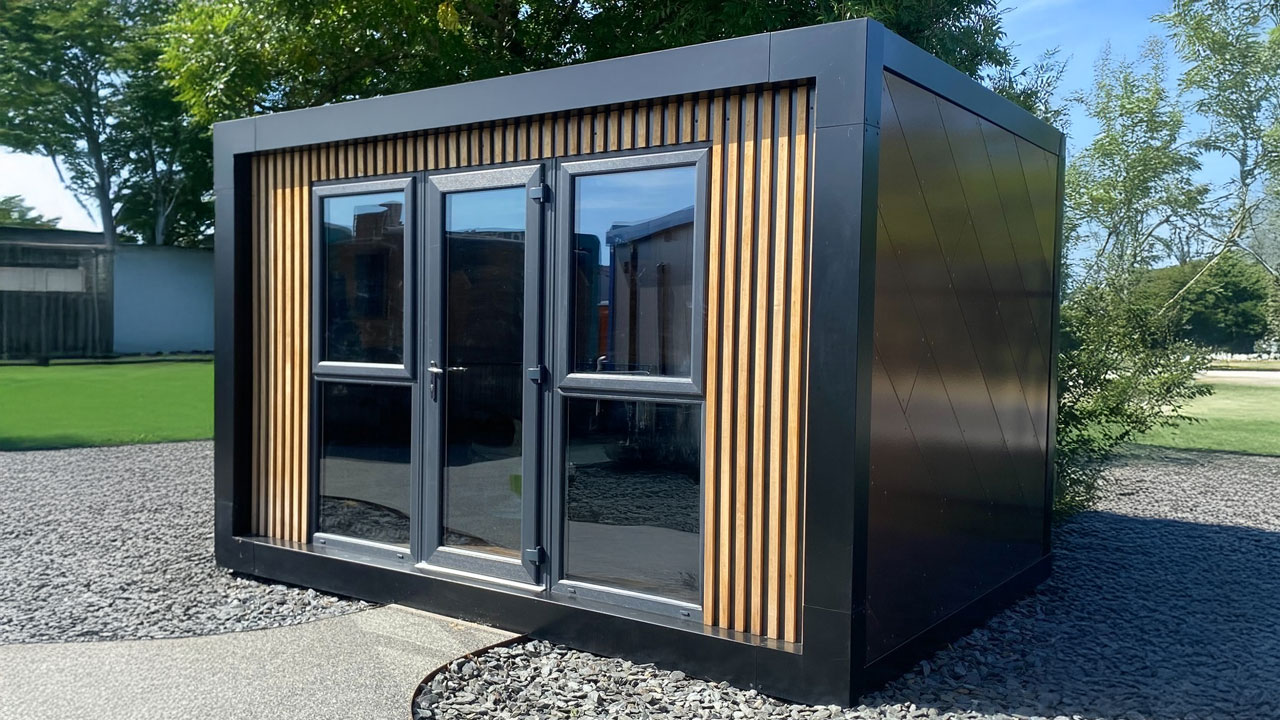
A new workspace can be manufactured offsite and installed alongside existing premises, allowing organisations to expand while minimising interference with normal operations.
The same approach works for smaller businesses and home workers. A dedicated modular office can provide a professional workspace separate from the main property while retaining the benefits of a purpose-designed, insulated building.
This scalability is one of the reasons MMC can be relevant to organisations of very different sizes.
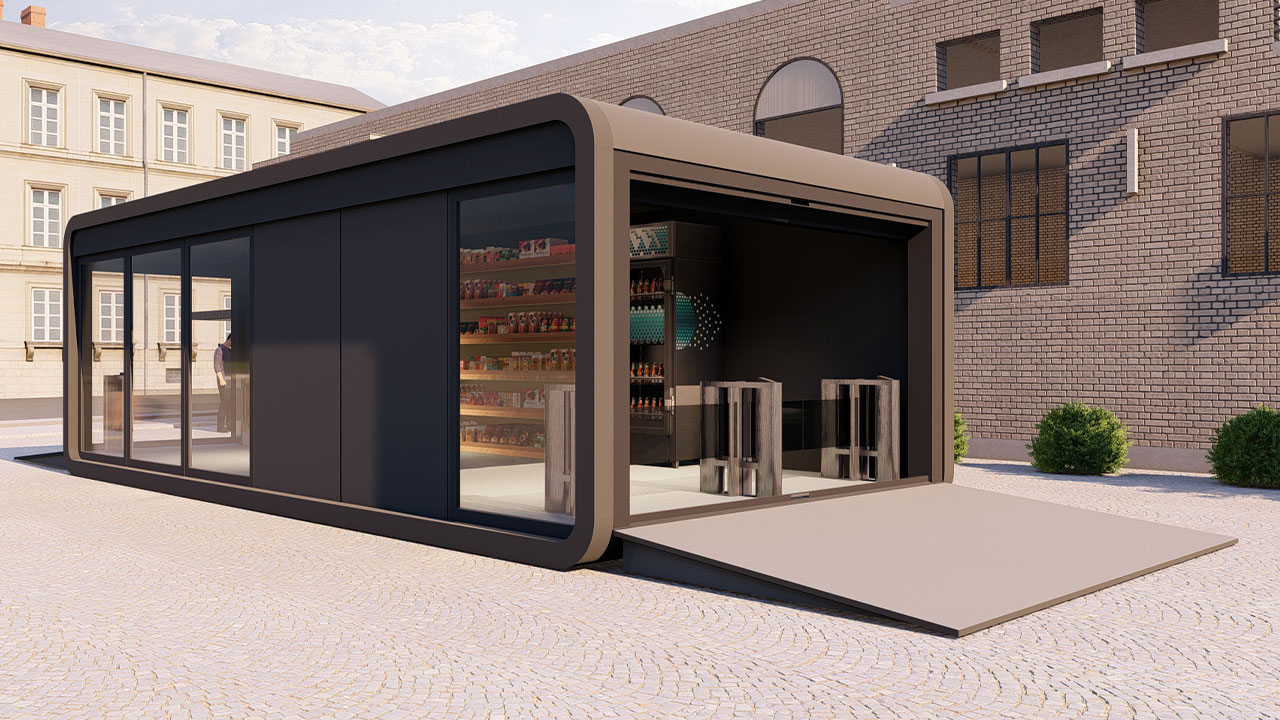
Purpose-Built Modern Modular Buildings
Perhaps the clearest demonstration of the versatility of MMC is the ability to create buildings for specialist requirements.
Not every customer needs a classroom, office or retail unit. Some projects require a combination of functions or a space designed around a very particular activity.
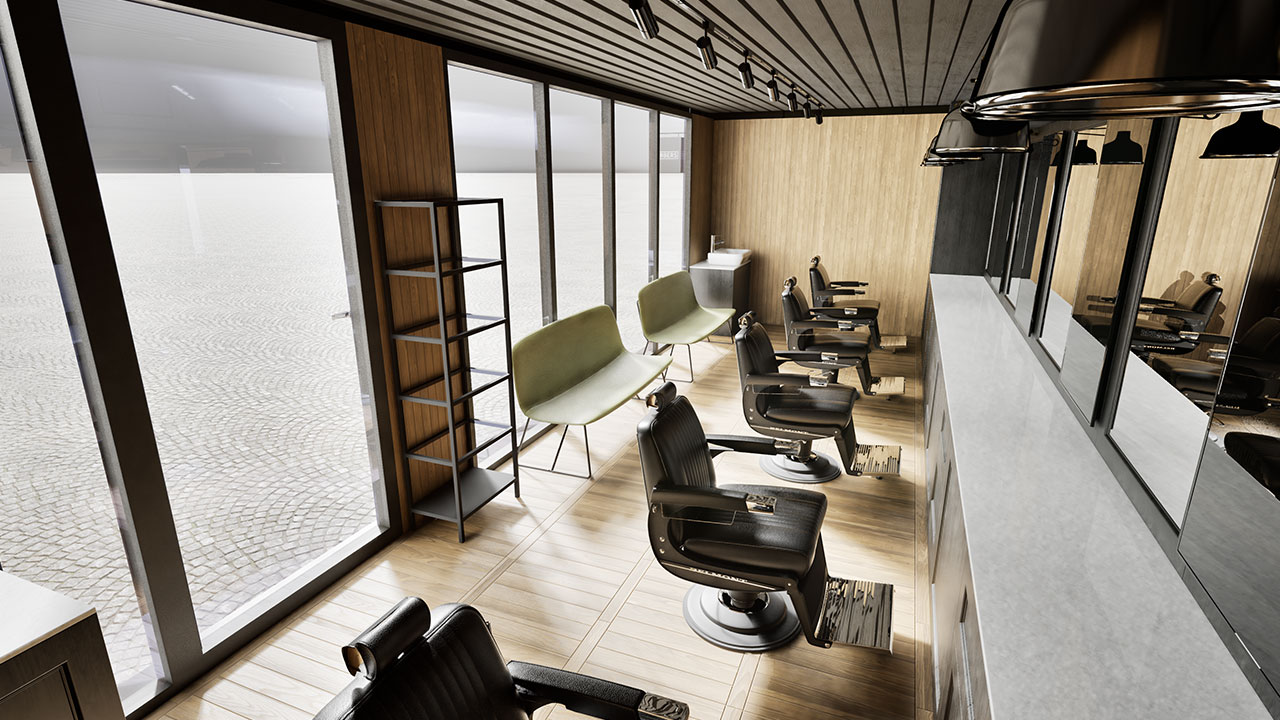
SmartPod’s purpose-built modular buildings can be developed around those individual requirements.
Layout, access, windows, doors, electrical provision, internal finishes and other elements can be considered as part of the design before manufacturing begins. This creates an opportunity to produce a building that has been designed around its users rather than adapting a generic structure after installation.
The efficiency of modular manufacturing therefore does not have to mean sacrificing individuality.
Modern Methods of Construction can combine repeatable, controlled manufacturing principles with bespoke design to create buildings that are both efficient to produce and highly specific in their eventual purpose.
What Is MMC Construction? – The SmartPod Approach
So, what is MMC construction?
MMC stands for Modern Methods of Construction and describes a broad range of innovative approaches intended to make the building process more efficient. These methods can incorporate factory manufacturing, offsite production, modular systems, panelised construction and other techniques that reduce reliance on conventional onsite building processes.
Volumetric modular construction is one important form of MMC, involving complete three-dimensional building modules manufactured away from their final location before being transported and installed onsite.
It is this modern modular philosophy that sits at the heart of SmartPod.
By combining controlled offsite manufacture with high levels of insulation, durable materials, flexible design and a comprehensive installation service, we create modular buildings intended to provide reliable, practical space for decades.
From classrooms and libraries to cafés, offices, leisure facilities and completely purpose-built environments, SmartPod shows how Modern Methods of Construction can move beyond theory and provide practical solutions to the space requirements faced by organisations today.
Is MMC Construction the Future of Building?
Modern Methods of Construction are increasingly important as the construction industry looks for ways to improve productivity, quality, sustainability and project delivery.
That does not mean traditional construction will disappear. Different sites, buildings and applications naturally require different approaches.
Instead, MMC provides another way of thinking about how buildings can be created.
Where a project is suited to modular construction, manufacturing substantial elements offsite can offer considerable advantages in terms of programme efficiency, consistency and disruption.
SmartPod demonstrates how those advantages can be applied to relatively compact but highly functional buildings across education, retail, leisure, business and specialist applications.


Need Further Assistance?
Feel free to contact us about any of our modular buildings for education, retail, leisure, and business.