‘Offsite Construction’ Explained
Offsite construction is a modern building method where all or part of a structure is manufactured away from its final location before being transported to site for installation. Rather than carrying out every stage of construction on the building site itself, significant elements are produced within a controlled factory environment, improving efficiency, consistency and quality.
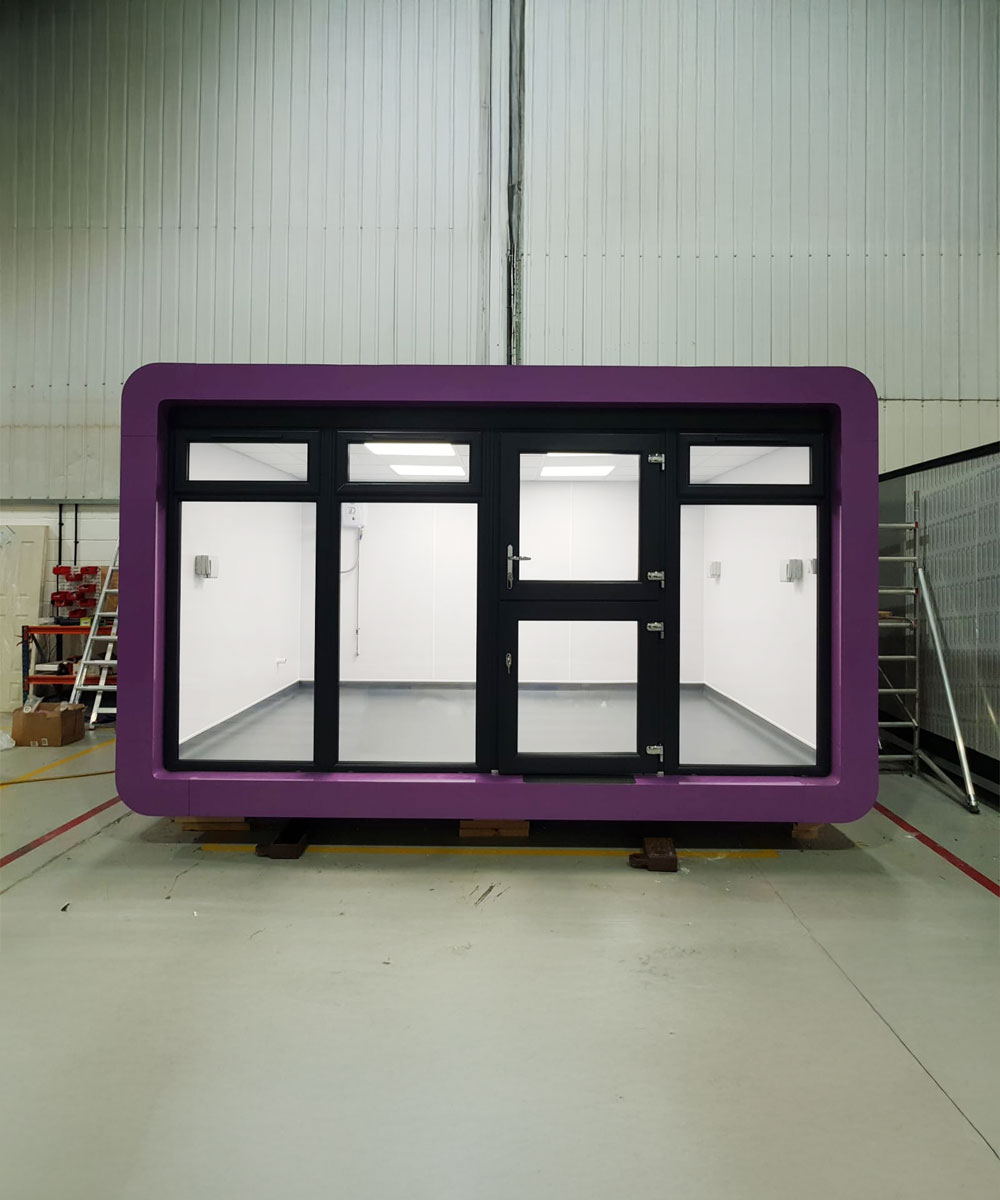
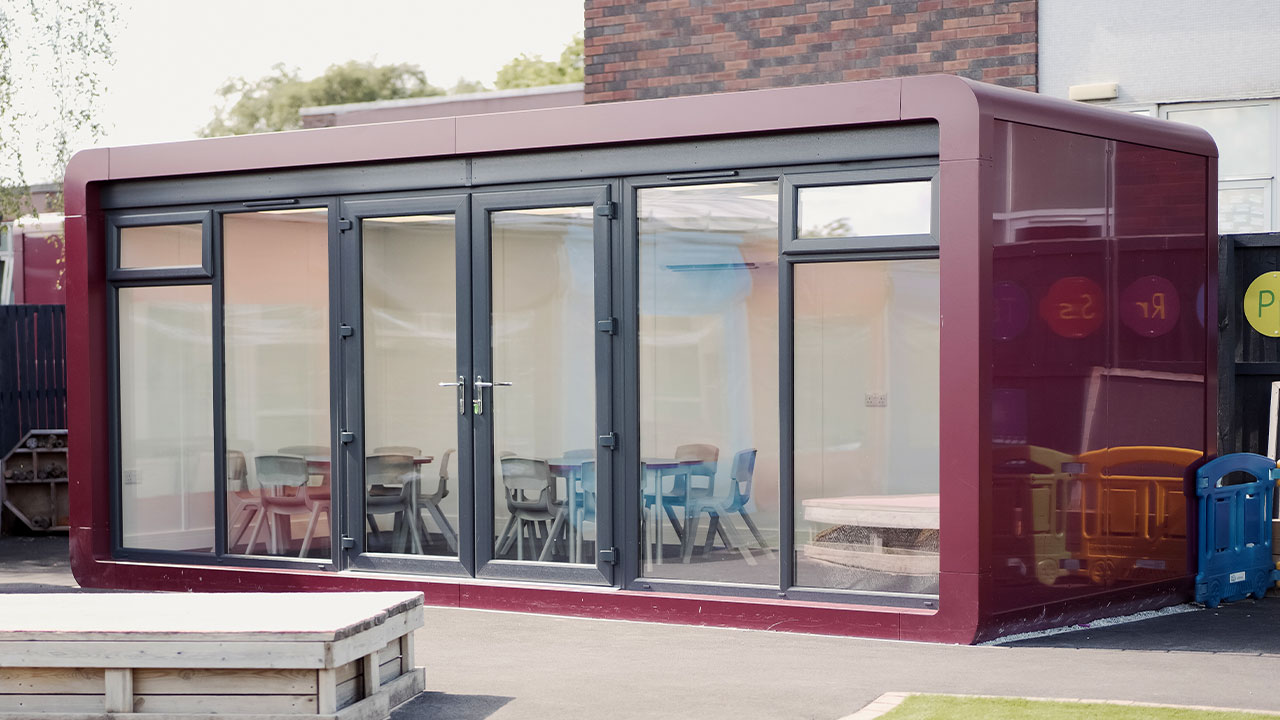
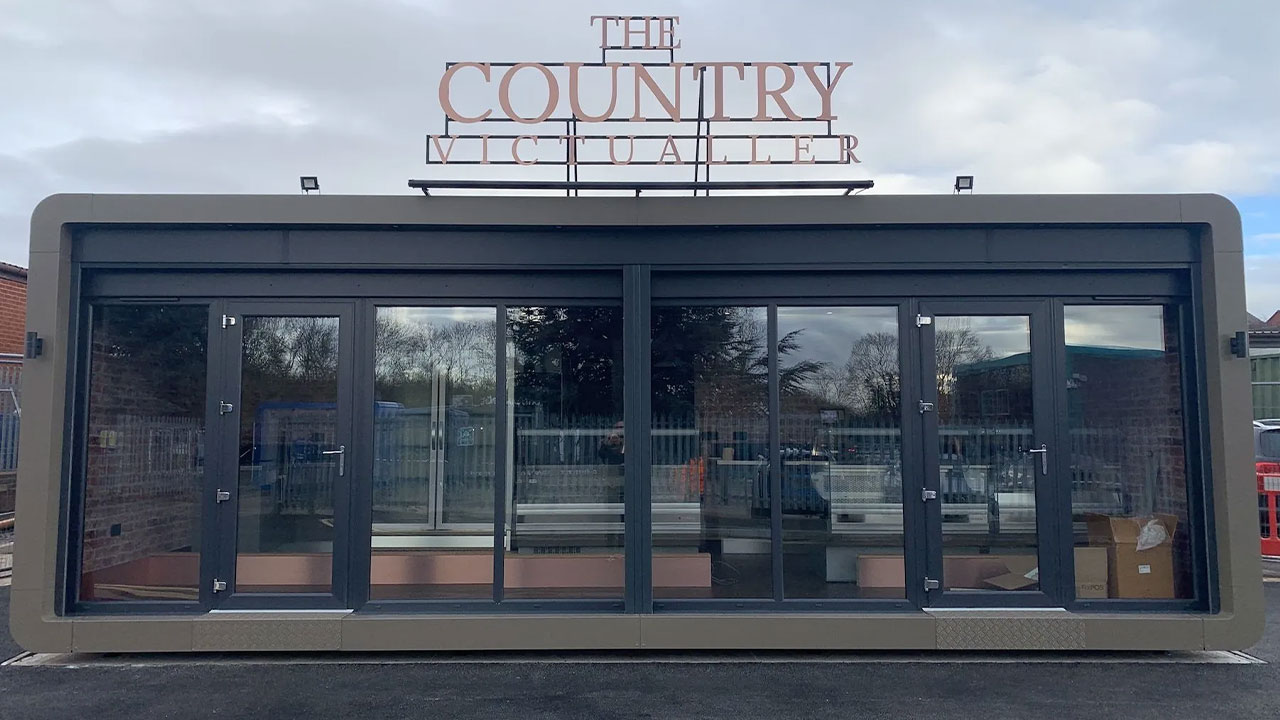
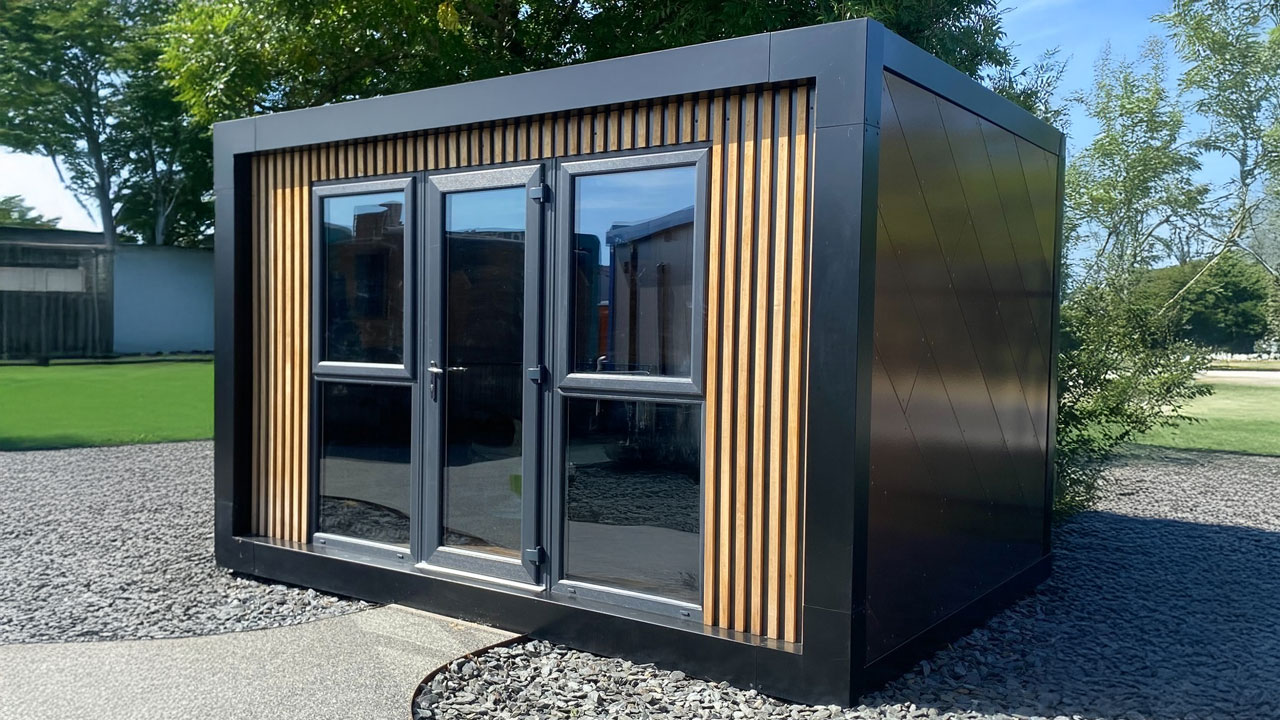
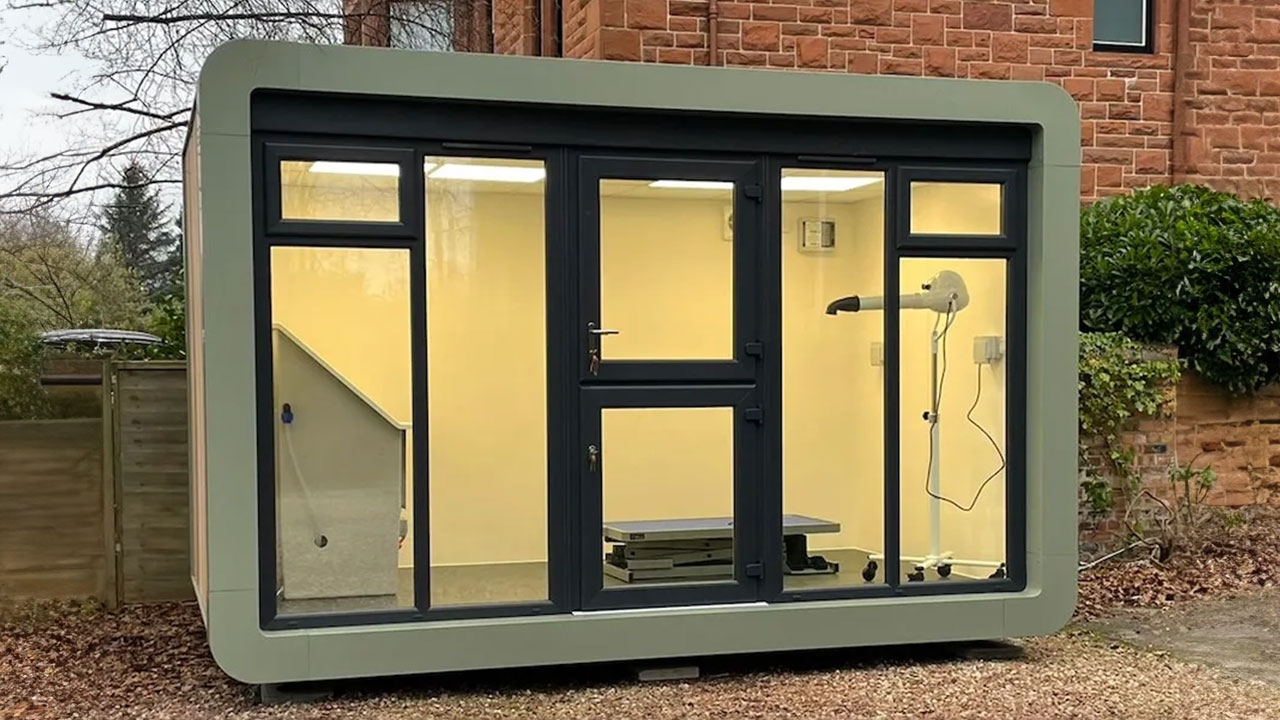
The term offsite construction is often used interchangeably with modular construction, but they are not exactly the same. Offsite construction is the broader category that includes several different building methods, including panelised systems, structural insulated panels (SIPs), pre-manufactured components and volumetric modular construction. Volumetric modular construction, where complete three-dimensional building modules are manufactured in a factory before installation, is the approach used by SmartPod.
In practical terms, offsite construction allows manufacturers to build much of a project while groundworks are taking place onsite. Once the foundations are ready, the completed modules or components are delivered and installed, dramatically reducing overall project times.
As demand grows for faster, more sustainable and more efficient construction methods, offsite construction has become increasingly popular across the education, healthcare, commercial, retail and leisure sectors. It offers organisations a reliable alternative to traditional building methods while maintaining high standards of quality, energy efficiency and long-term durability.
Simply put, offsite construction is about building smarter. By moving much of the construction process into a factory-controlled environment, projects can be delivered more quickly, with less disruption and greater consistency than conventional onsite construction.