The Lifespan of a Modular Building
Modular buildings have become increasingly popular across a wide range of sectors, from education and business through to retail, leisure, and specialist commercial applications. As more organisations explore modular construction as an alternative to traditional building methods, one question consistently arises, ‘what is the lifespan of a modular building?’
The simple answer is that a modern, professionally manufactured modular building can last for decades. In many cases, a well-designed modular structure will have a lifespan comparable to traditionally constructed buildings, particularly when high-quality materials, proper installation, and routine maintenance are combined.
However, the actual lifespan of a modular building depends on several factors, including construction quality, materials used, environmental conditions, intended use, and ongoing care. In this article, we’ll explore how long modular buildings typically last, what influences their longevity, and why modern modular construction has evolved far beyond the temporary structures many people still associate with the industry.
Understanding Modern Modular Construction
There is often a misconception that modular buildings are temporary solutions designed only for short-term use. While temporary modular structures certainly exist, modern modular buildings are increasingly being specified as permanent facilities for schools, businesses, healthcare providers, retailers, and local authorities.
Today’s modular buildings are engineered using advanced manufacturing techniques and high-performance materials. Rather than being built entirely on-site, the majority of construction takes place within a controlled factory environment before the building is delivered and installed at its final location.
This manufacturing process offers several advantages. Weather delays are minimised, construction quality can be more closely monitored, and precision manufacturing techniques help ensure consistent standards throughout the build.
The result is a building that is designed to provide long-term performance rather than simply acting as a temporary structure.
Typical Lifespan of a Modular Building
A professionally manufactured modular building will commonly achieve a lifespan of 30 to 60 years or more depending on its specification and maintenance regime.
Many modern modular buildings are designed with the expectation that they will remain operational for several decades. In fact, numerous modular buildings installed during the late twentieth century continue to function successfully today following refurbishment and upgrades.
The notion that modular buildings have a significantly shorter lifespan than traditional construction is largely outdated. Improvements in insulation systems, structural engineering, external finishes, glazing technologies, and manufacturing standards have transformed modular construction into a long-term building solution.
When comparing a modern modular building against a conventionally constructed equivalent, the expected lifespan is often remarkably similar.
What Factors Affect Lifespan?
Several key factors influence how long a modular building will remain functional, efficient, and visually appealing. While modern modular construction is designed for long-term performance, the following areas play an important role in determining overall lifespan.
Construction Quality
The quality of the original build is one of the most significant influences on longevity. Buildings manufactured using robust structural systems, premium insulation materials, high-performance glazing, and durable external finishes will naturally provide better long-term performance than lower-cost alternatives. Precision engineering, effective weatherproofing, and rigorous quality control processes all contribute to a longer-lasting building.
Installation Standards
Even the highest quality modular building requires correct installation to achieve its full lifespan. Ground conditions, foundation systems, drainage, utility connections, and site preparation all influence long-term structural performance. A properly installed building is less likely to experience issues over time and will generally provide a longer, more reliable service life.
Environmental Conditions
The surrounding environment can have a direct impact on building longevity. Structures exposed to coastal locations, extreme weather conditions, or demanding operational requirements may require additional maintenance throughout their lifespan. However, modern modular buildings are designed to withstand the UK’s varied climate and can perform exceptionally well when specified for their intended environment.
Maintenance
Like any building, modular structures benefit from regular maintenance and periodic inspections. Cleaning, servicing of mechanical systems, and addressing minor repairs promptly can help maximise longevity and protect the overall investment. Many contemporary modular buildings are also designed with durable materials and low-maintenance finishes to support long-term performance.
Are Modular Buildings Permanent?
In many cases, yes. Modern modular buildings are frequently used as permanent educational facilities, offices, retail units, healthcare environments, hospitality venues, and specialist commercial buildings.
While they retain the flexibility to be relocated if required, this does not mean they are temporary in nature. In fact, many organisations specifically choose modular construction because it combines permanence with adaptability.
A building can remain in one location for decades while still retaining the option to be relocated should circumstances change in the future.
This flexibility is one of modular construction’s greatest strengths.

How SmartPod Buildings Are Designed for Longevity
At SmartPod, longevity is a key consideration throughout the design and manufacturing process.
Our buildings are engineered using high-quality materials selected for durability, thermal performance, and long-term reliability. Every SmartPod is manufactured to provide a robust and comfortable environment that remains attractive and functional for many years.
Our modular buildings are supplied with a 10-year structural warranty and are designed with an anticipated life expectancy exceeding 35 years.
This makes them suitable for organisations seeking a long-term investment rather than a short-term solution.
The use of insulated construction systems helps improve thermal efficiency while reducing energy consumption. High-quality glazing, durable external finishes, and carefully engineered structural components all contribute towards the long-term performance of the building.
In practical terms, many SmartPods can continue performing well beyond their anticipated lifespan when properly maintained.
Why Longevity Matters
When investing in any building, lifespan has a direct impact on overall value.
A building that remains operational for decades provides a significantly better return on investment than one requiring replacement after only a short period. Longer lifespans also reduce waste, minimise future construction disruption, and support sustainability objectives.
For educational institutions, a long-lasting modular building ensures future generations of students can benefit from the facility. For businesses, it provides confidence that the investment will continue supporting operations long into the future.
The durability of modern modular construction is one of the reasons it has become increasingly popular across both public and private sectors.
The Future of Modular Building Lifespans
As manufacturing technology continues to improve, the lifespan of modular buildings is likely to increase even further.
Advancements in insulation materials, sustainable construction products, structural engineering, and manufacturing precision are helping create buildings that are more durable, more efficient, and easier to maintain than ever before.
The modular buildings being installed today are not the temporary classrooms or portable cabins many people remember from decades ago. They are sophisticated, permanent structures designed to provide long-term value and performance.
Our Range of Modular Buildings
SmartPod manufactures modular buildings for a wide variety of applications, all designed with longevity in mind.
For Education
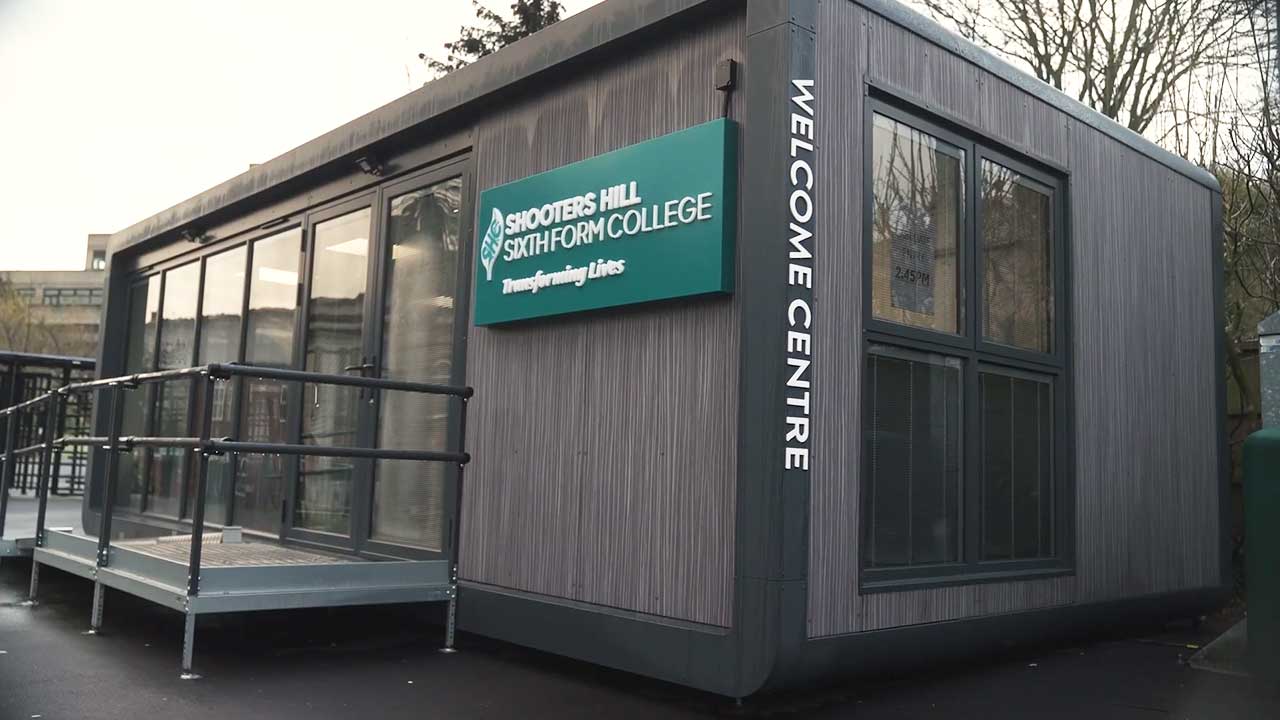
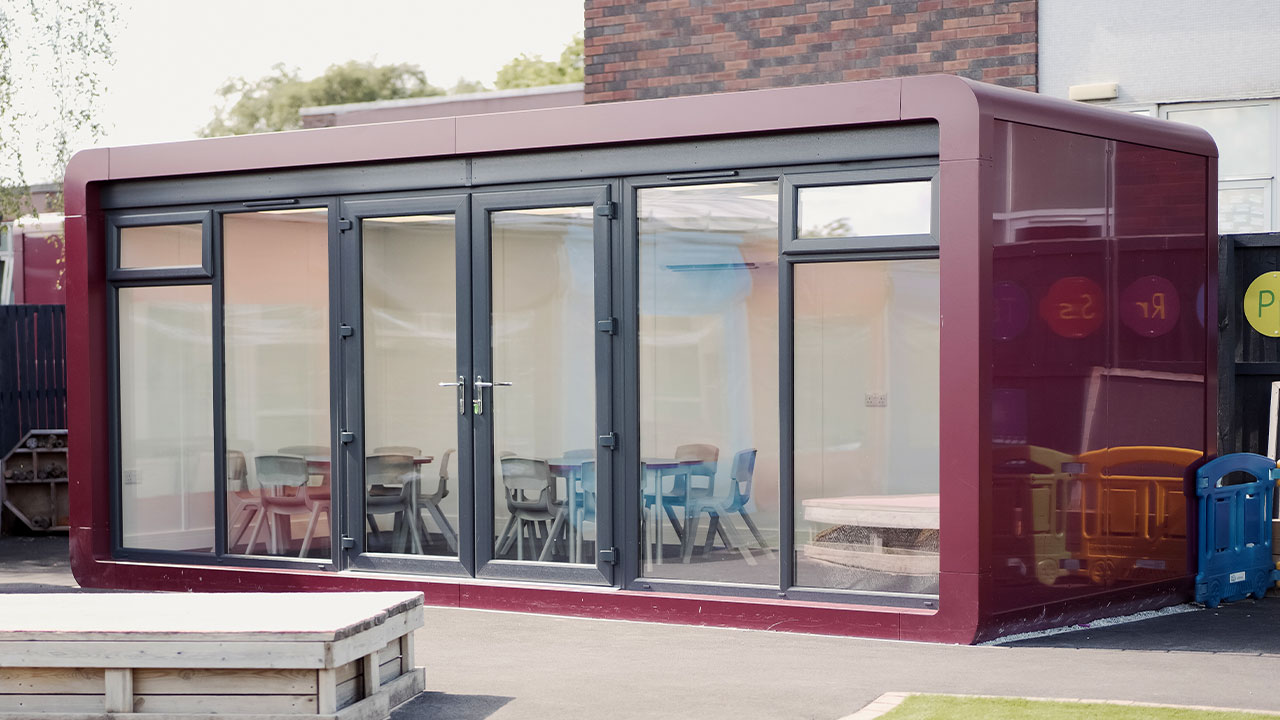
The education sector continues to be one of the largest adopters of modular construction, with schools, colleges, universities, and specialist learning providers increasingly turning to modular buildings to meet growing demands for space. SmartPods can be used for a wide variety of educational applications, including classrooms, intervention rooms, sensory spaces, libraries, breakout areas, staff rooms, and specialist teaching environments. Their flexible design allows educational institutions to create spaces that support both traditional learning and modern teaching methods.
One of the key advantages of modular buildings in education is their longevity. Educational providers often require facilities that can serve students and staff for many years while remaining cost-effective and easy to maintain. SmartPods are designed to provide durable, comfortable, and energy-efficient environments that support learning over the long term. High-quality insulation, modern glazing, and robust construction materials help create spaces that remain functional and attractive throughout their lifespan.
In addition, modular buildings can be installed with minimal disruption to daily school operations, making them an ideal solution for expanding campuses or replacing outdated facilities. By combining durability, flexibility, and long-term value, SmartPods provide educational organisations with reliable spaces that can continue supporting future generations of learners.
For Retail
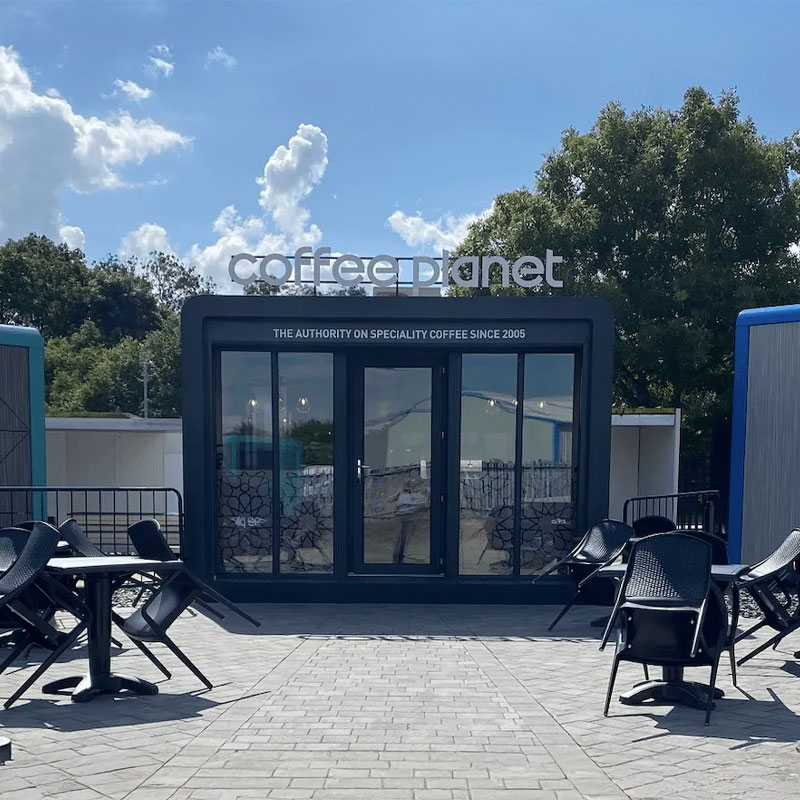
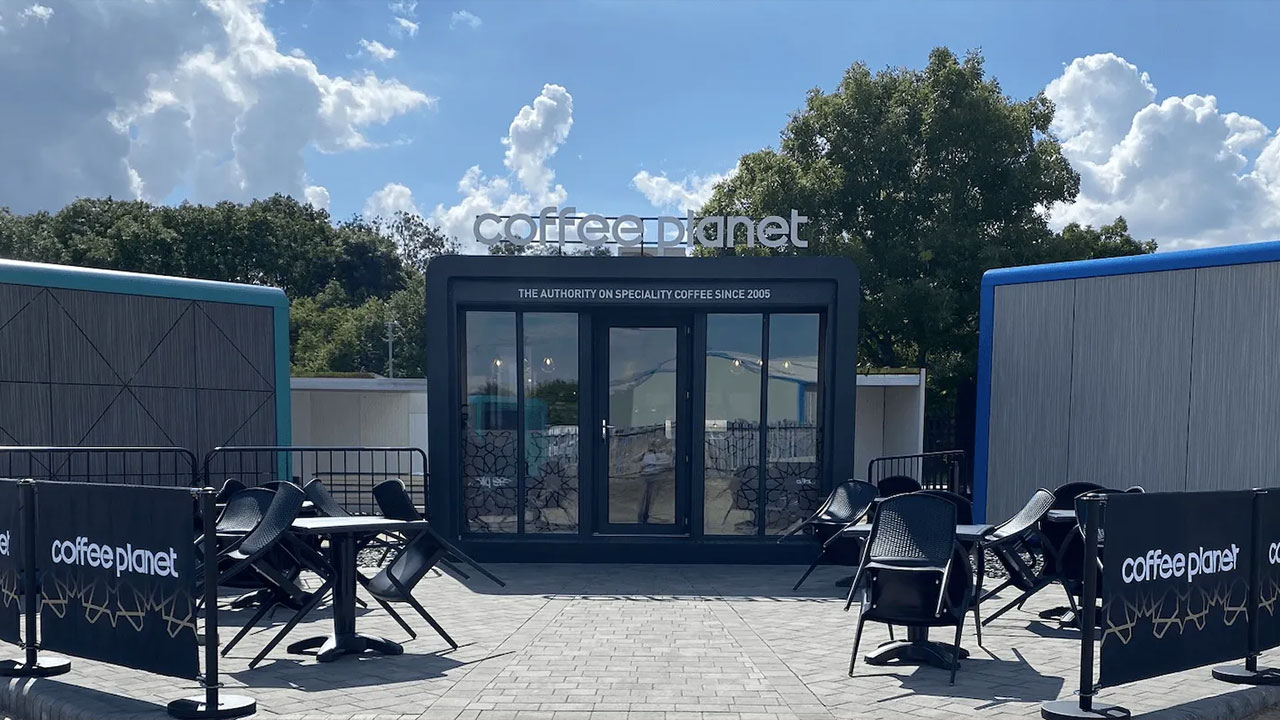
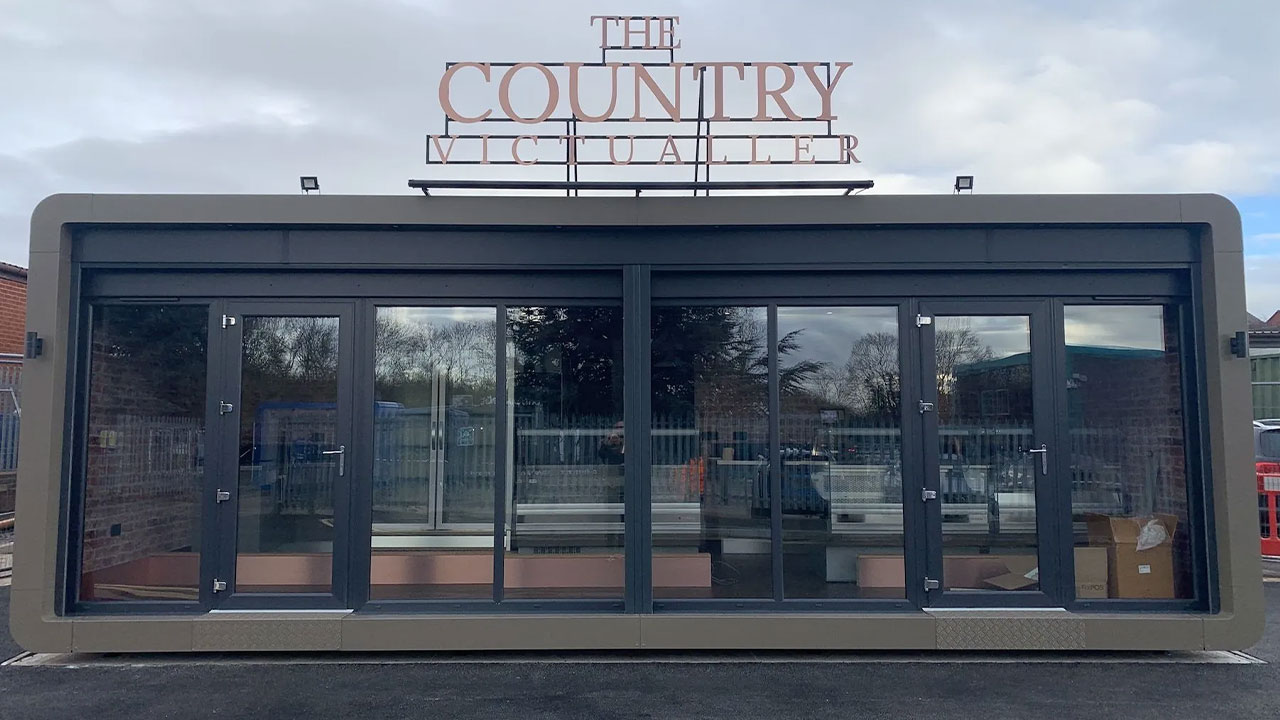
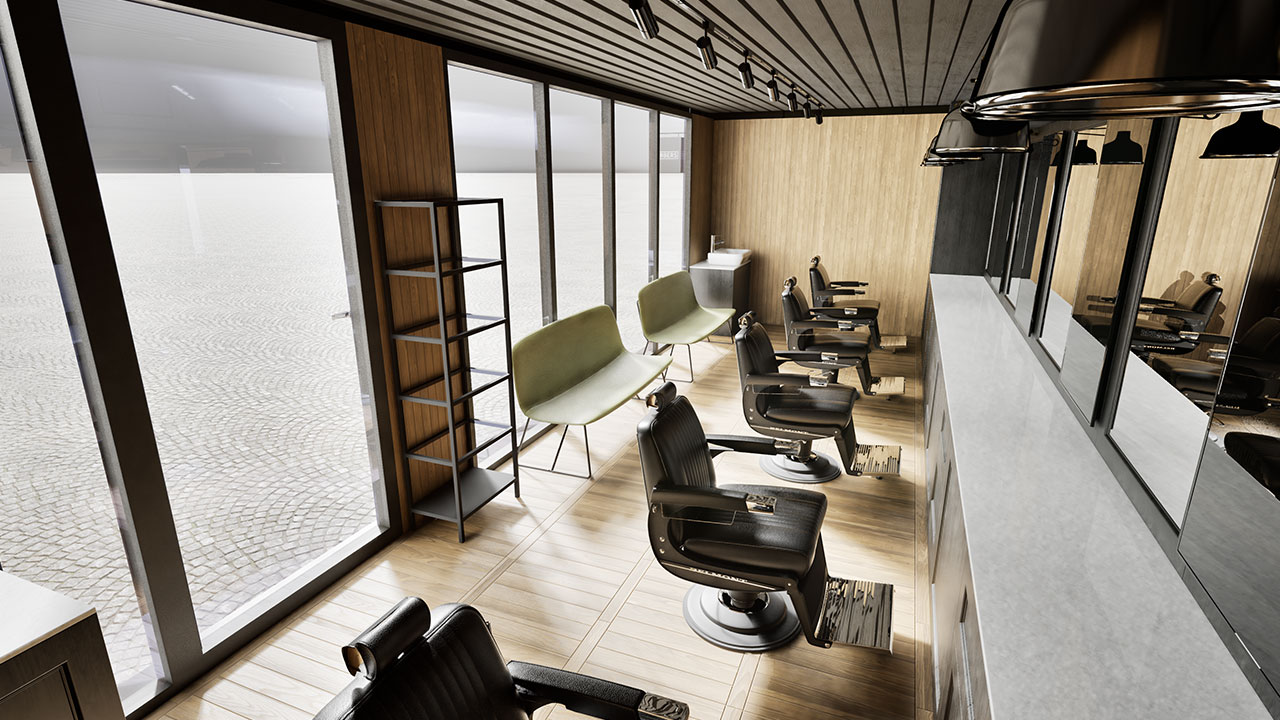
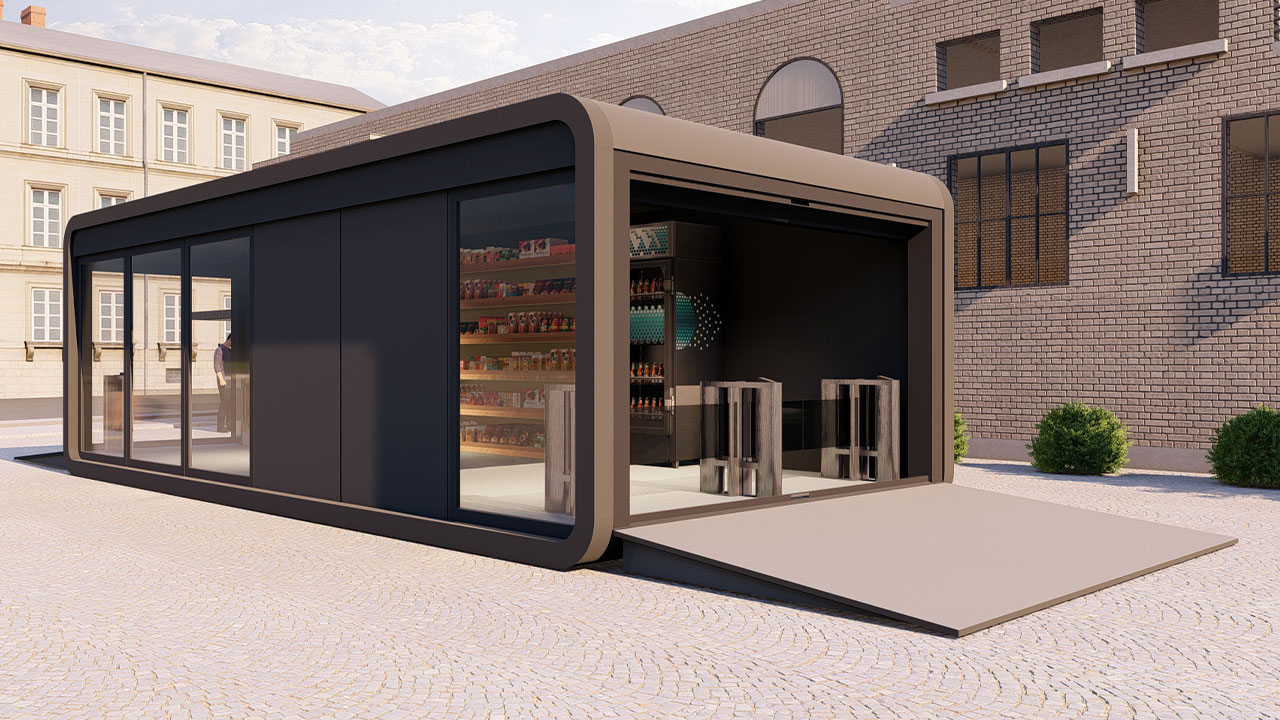
Retail businesses operate in highly competitive environments where customer experience, visual appeal, and operational efficiency all play a crucial role in success. Modular retail buildings offer a practical and attractive solution for businesses seeking flexible commercial space without the lengthy construction times associated with traditional building methods. SmartPods are regularly used for coffee shops, beauty salons, barber shops, florist pods, ice cream kiosks, refreshment units, and a wide range of other customer-facing retail applications.
The durability of modern modular construction is particularly valuable within the retail sector. Retail premises often experience high levels of daily footfall and require buildings that can withstand constant use while maintaining a professional appearance. SmartPods are manufactured using high-quality materials designed to provide long-term performance, helping businesses protect their investment and reduce maintenance requirements over time.
In addition to their longevity, modular retail buildings offer flexibility for growing businesses. Units can be customised to reflect branding requirements, operational needs, and customer expectations while providing comfortable and welcoming environments. Energy-efficient construction also helps reduce running costs, supporting long-term profitability. Whether used as a standalone retail outlet or part of a larger commercial development, SmartPods provide retailers with durable, attractive, and adaptable spaces designed to support business growth for many years.

For Leisure
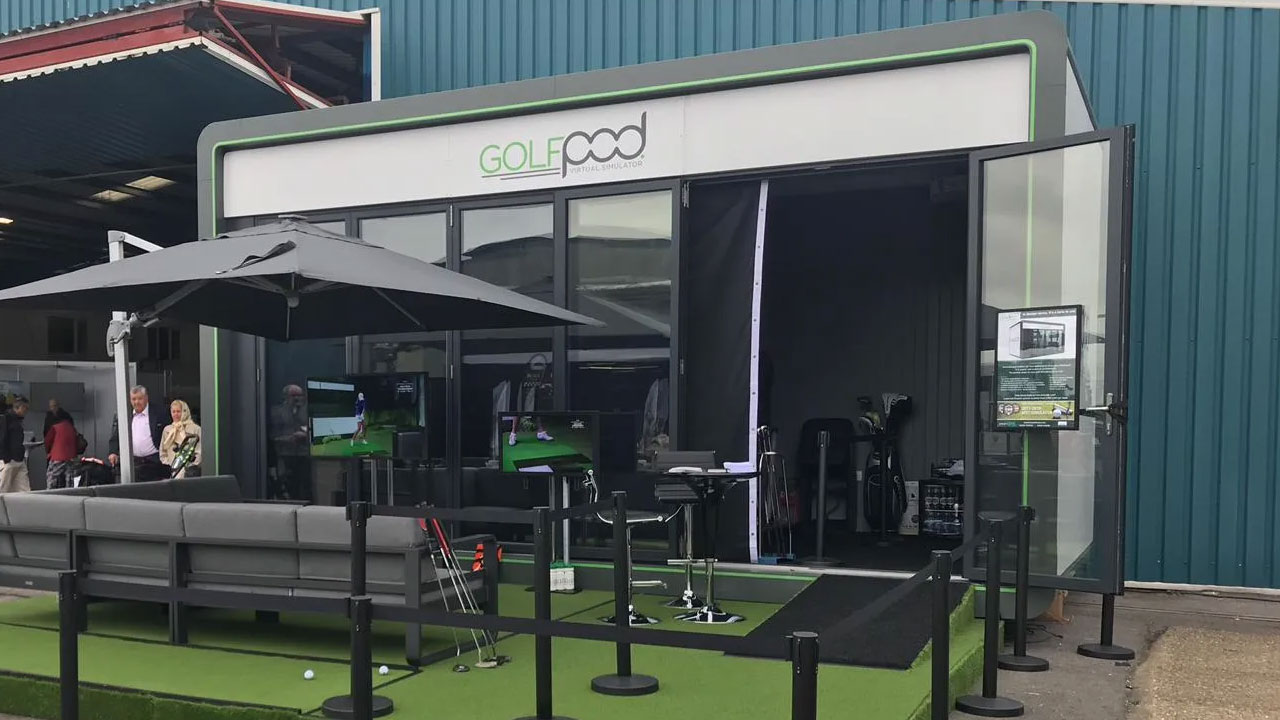
The leisure sector requires buildings that can accommodate large numbers of visitors while maintaining comfort, functionality, and visual appeal. SmartPods are increasingly being used across a variety of leisure environments, including visitor centres, reception buildings, changing facilities, activity hubs, hospitality spaces, ticket offices, and recreational venues. Their versatility allows operators to create facilities that enhance the overall visitor experience while meeting practical operational requirements.
Longevity is particularly important within leisure environments, where buildings are often subjected to frequent use throughout the year. SmartPods are designed to withstand demanding conditions while maintaining their structural integrity and appearance over time. Durable external finishes, high-performance insulation, and quality construction methods help ensure these buildings continue performing effectively for decades when properly maintained.
Another significant advantage is the speed of installation. Leisure operators often need new facilities delivered within tight timescales to minimise disruption and maximise revenue opportunities. Modular construction enables projects to be completed more efficiently than many traditional building methods, allowing facilities to become operational sooner.
Whether supporting tourism, sports, recreation, or hospitality activities, SmartPods provide long-lasting and adaptable solutions that can evolve alongside changing visitor expectations. Their combination of durability, flexibility, and modern design makes them an excellent choice for organisations seeking reliable leisure facilities that deliver long-term value.
For Business
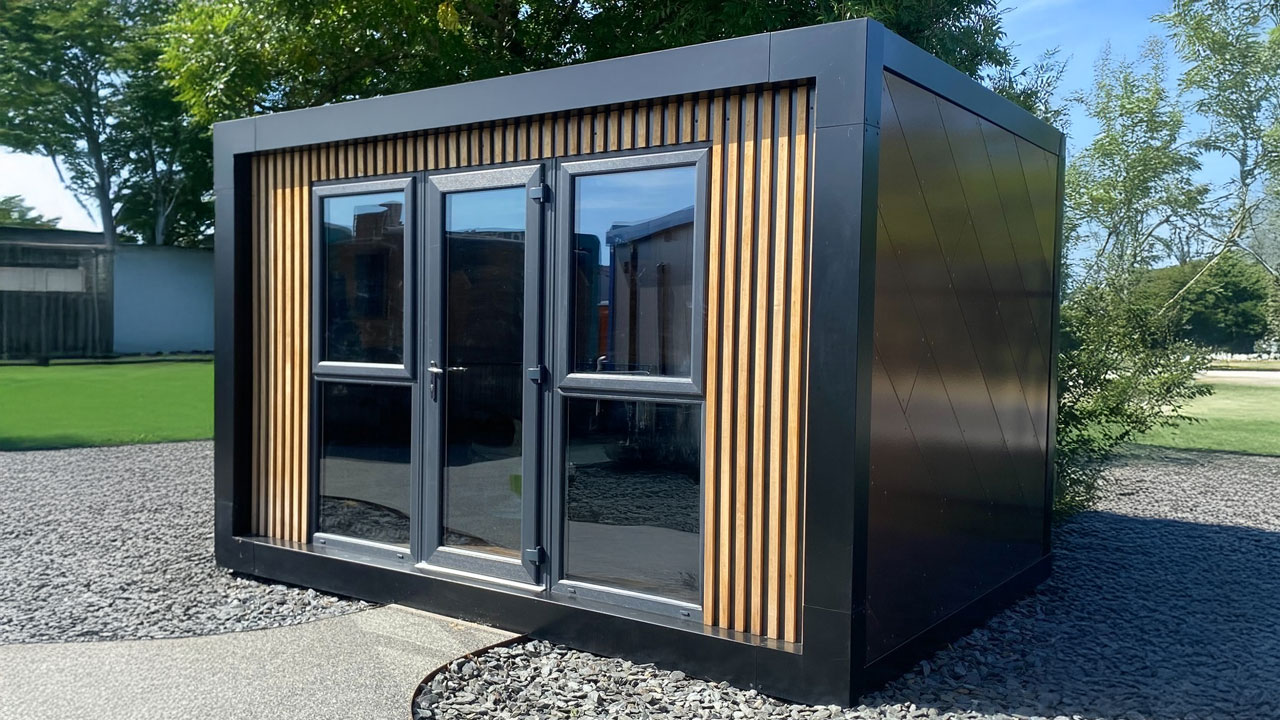
Modern businesses require workspaces that can adapt to changing operational needs while providing comfortable and productive environments for employees and visitors. Modular buildings have become an increasingly popular solution for organisations seeking flexible office accommodation, meeting rooms, reception facilities, collaborative workspaces, and specialist commercial environments. SmartPods offer businesses a practical alternative to traditional construction while maintaining the quality and durability expected from permanent buildings.
One of the key benefits of modular construction for businesses is its ability to support growth and change. As organisations expand, relocate, or restructure, modular buildings can provide additional space quickly and efficiently. Their flexible design allows layouts to be tailored to specific operational requirements, ensuring businesses can create environments that support productivity and collaboration.
Long-term durability is equally important. SmartPods are manufactured using robust materials and modern construction techniques designed to provide reliable performance for decades. Energy-efficient insulation and glazing help create comfortable working conditions while reducing operational costs. This combination of longevity and efficiency makes modular buildings a cost-effective investment for businesses seeking sustainable growth.
From small enterprises to larger organisations, SmartPods provide adaptable commercial spaces that can evolve alongside business objectives. Their long lifespan, professional appearance, and flexible design make them a valuable asset for companies looking to invest in future-ready work environments.
Purpose-Built Modular Buildings
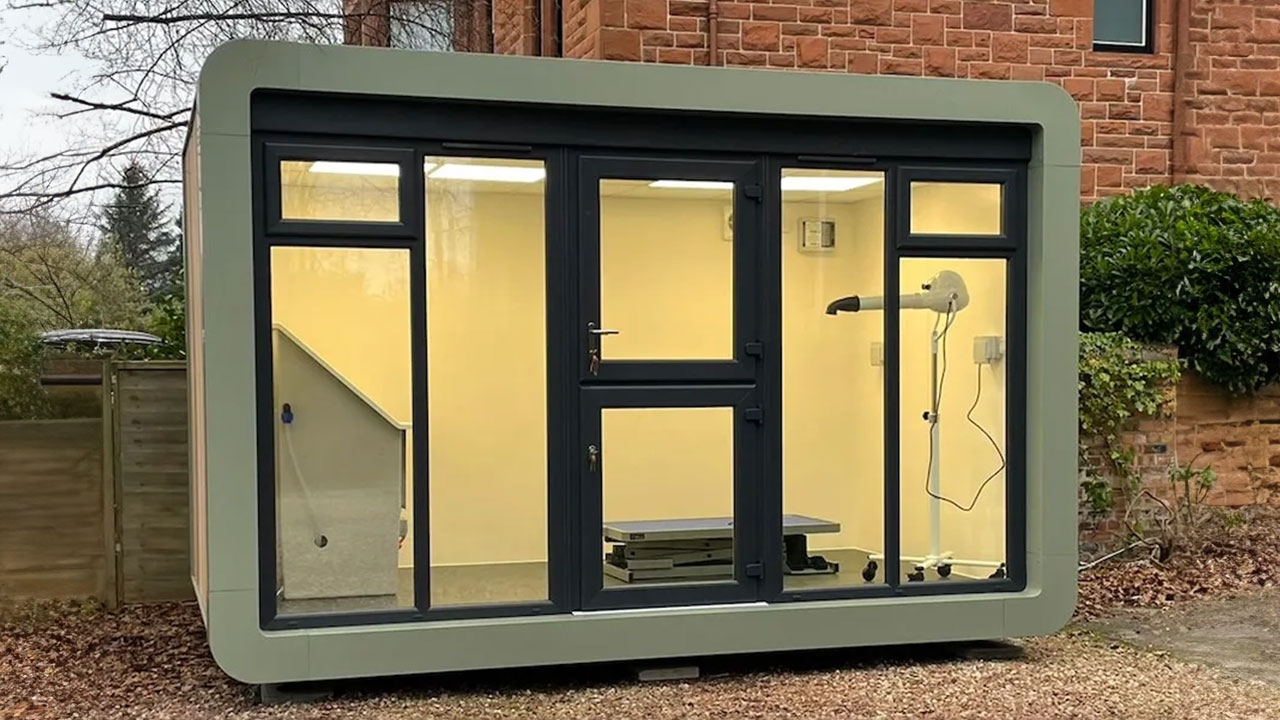
While many modular buildings are designed for common applications such as offices, classrooms, and retail spaces, some organisations require facilities that are entirely unique to their operational needs. SmartPod specialises in creating bespoke modular buildings that are tailored to specific requirements while maintaining the same commitment to quality, durability, and long-term performance found across all of its solutions.
Purpose-built modular buildings can be designed for a wide range of specialist applications, including healthcare environments, community facilities, visitor attractions, training centres, consultation rooms, creative studios, and highly customised commercial spaces. Every project begins with a detailed understanding of the client’s objectives, ensuring the final building delivers both practical functionality and an excellent user experience.
Despite their bespoke nature, custom modular buildings benefit from the same advantages as standard modular construction. They can be manufactured efficiently, installed quickly, and designed to achieve impressive levels of energy efficiency and durability. High-quality materials and precision manufacturing processes help ensure these buildings remain reliable and attractive for many years.
The flexibility of modular construction allows organisations to create spaces that perfectly align with their operational goals without compromising on longevity. Whether the requirement is highly specialised or completely unique, SmartPod’s purpose-built solutions provide durable, future-focused buildings designed to deliver lasting value.
So, what is the lifespan of a modular building?
While the exact answer depends on specification, environment, installation, and maintenance, modern modular buildings are commonly designed to last for several decades and can often achieve lifespans comparable to traditional construction.
For organisations considering modular construction, longevity should no longer be viewed as a concern. Modern modular buildings offer durability, flexibility, energy efficiency, and long-term value that make them a practical solution across countless sectors.
At SmartPod, every building is designed with longevity at its core. Backed by a 10-year structural warranty and an expected lifespan exceeding 35 years, our modular buildings provide reliable, future-focused spaces that continue delivering value long after installation.


Need Further Assistance?
Feel free to contact us about any of our modular buildings for education, retail, leisure, and business.