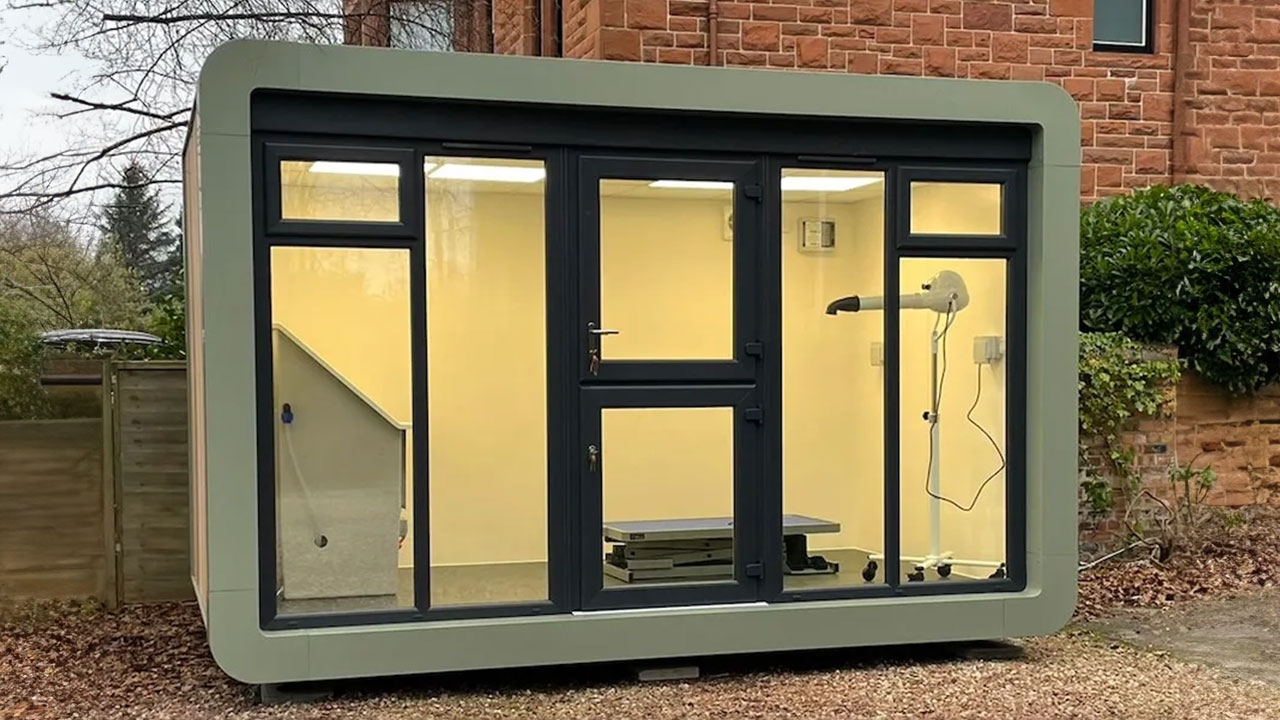
‘Volumetric Modular Construction’ Explained
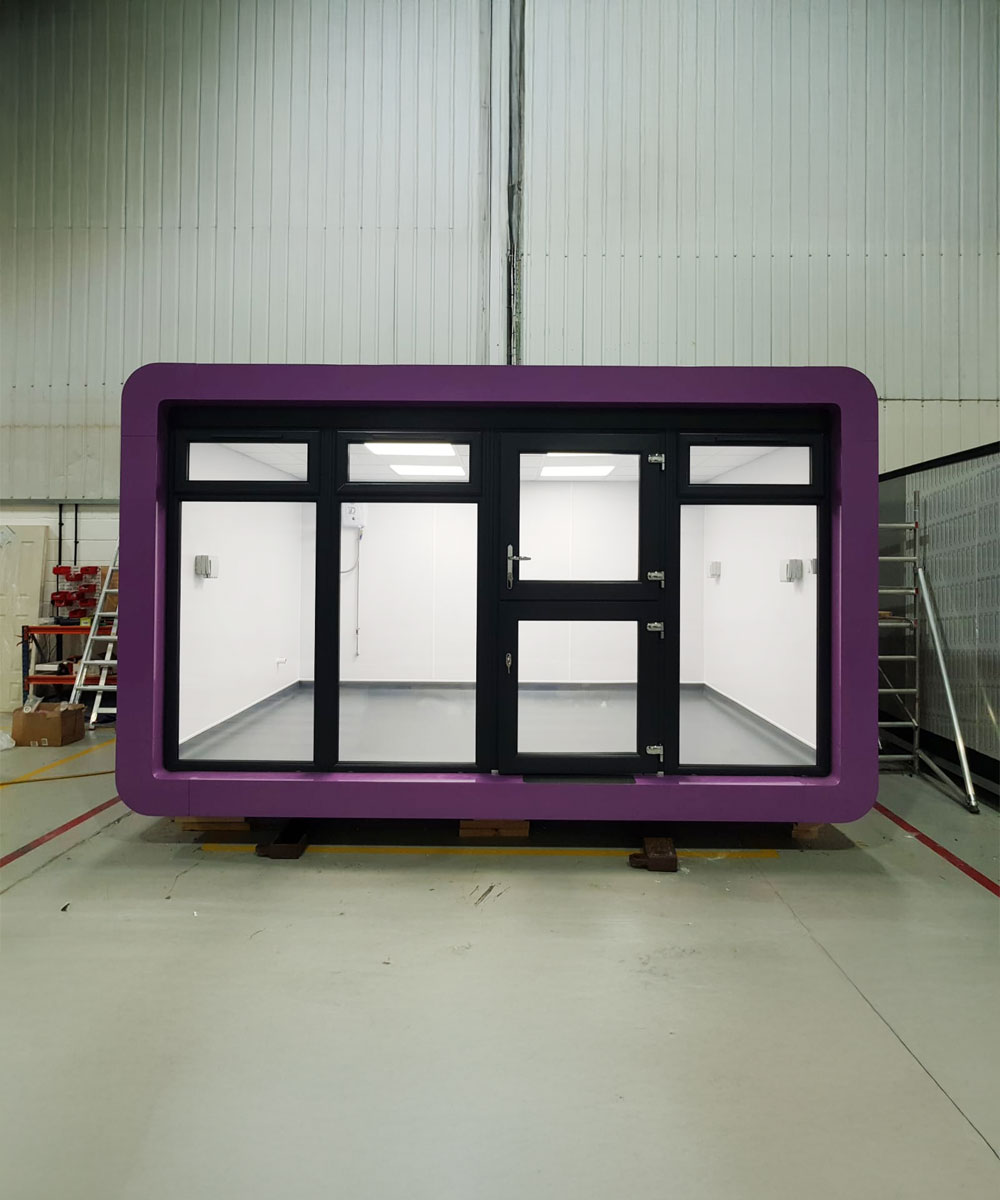
Volumetric modular construction is a modern building method where complete three-dimensional sections of a building are manufactured in a factory and then transported to site for installation. These sections, often referred to as modules, are built with walls, floors and ceilings already in place and can include insulation, windows, doors, plumbing, electrics and internal finishes before leaving the factory.
Once delivered to site, the modules are craned into position onto prepared foundations and connected together to create a finished building.
In simple terms, volumetric modular construction involves building large portions of a structure offsite rather than constructing everything traditionally onsite. The result is a faster, more controlled and highly efficient construction process.
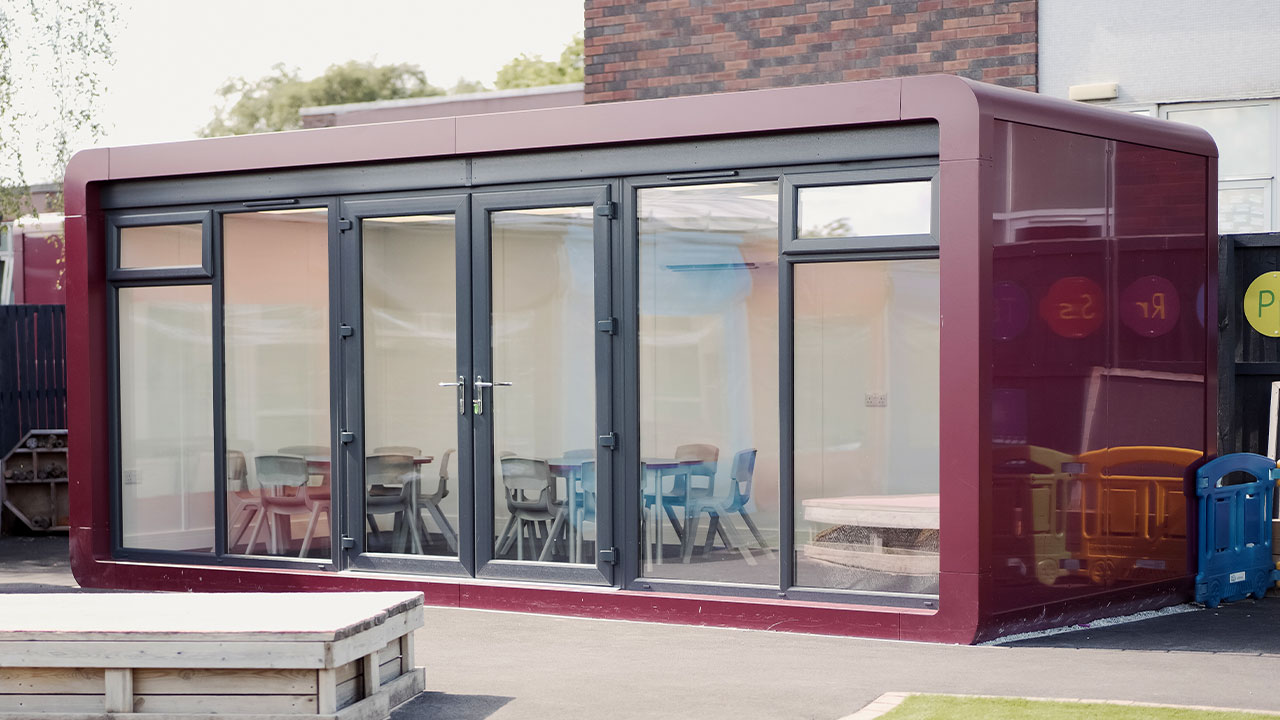
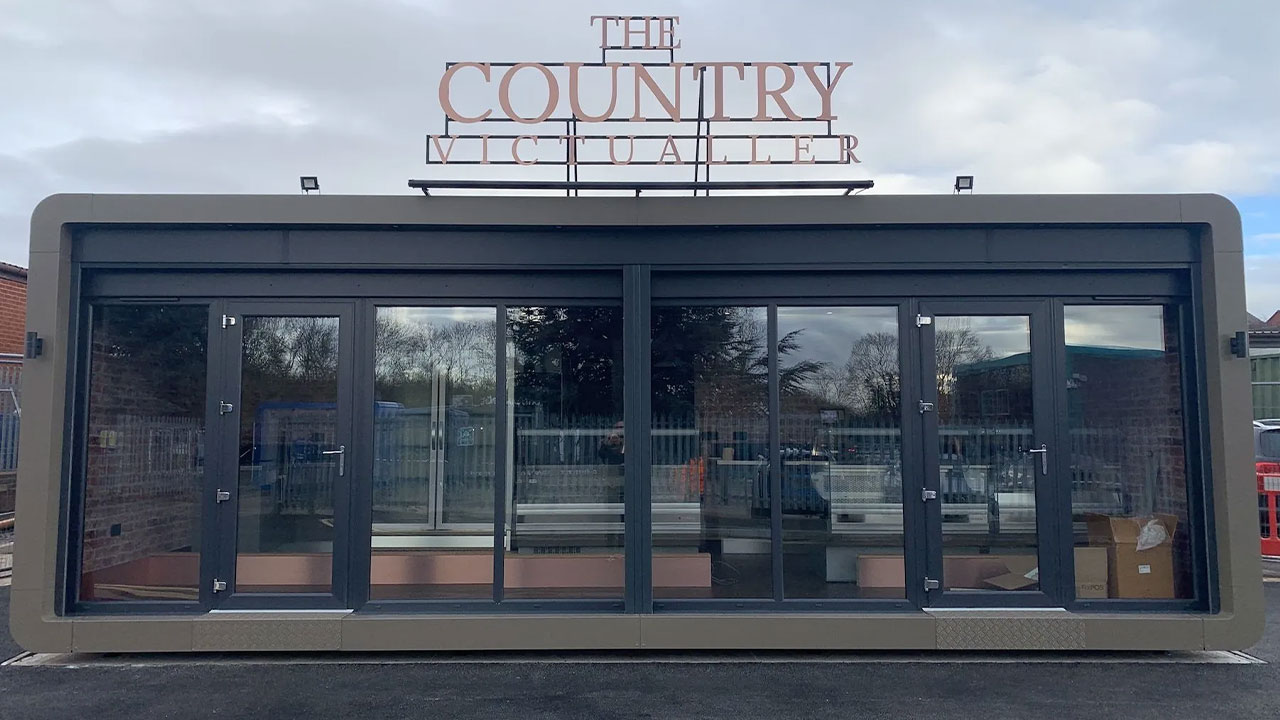
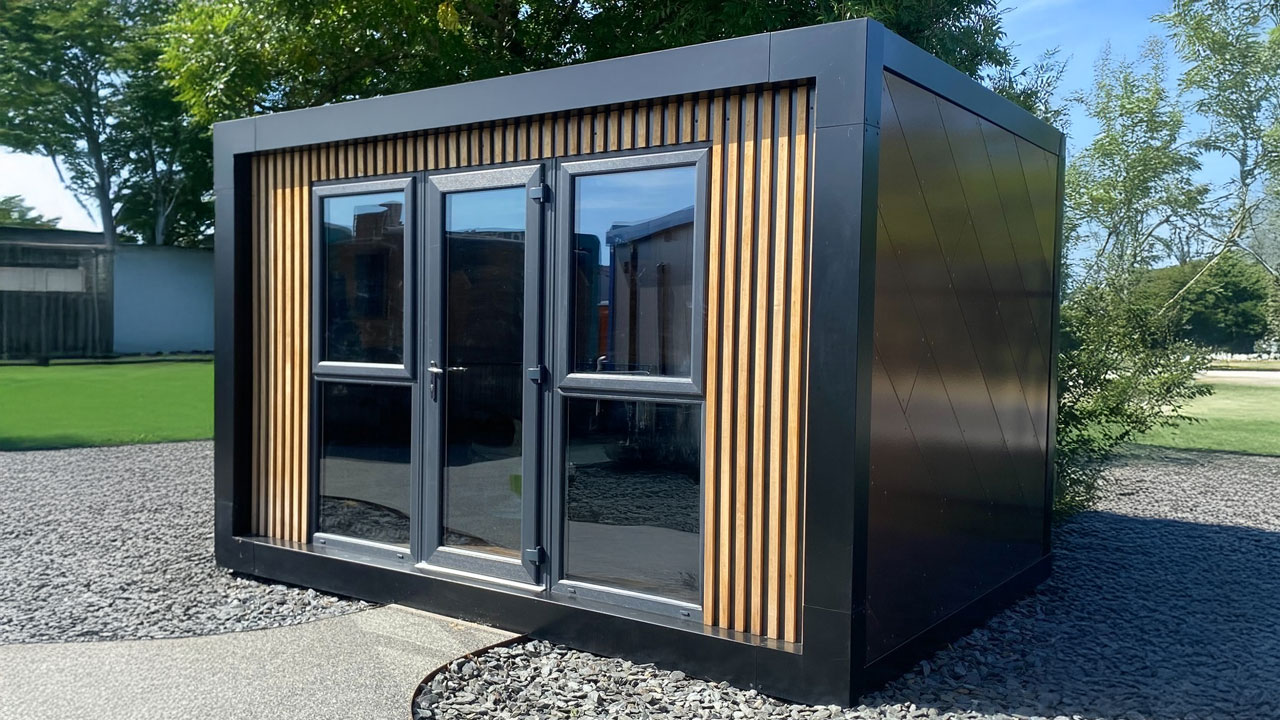
Volumetric modular construction is one of the most advanced forms of Modern Methods of Construction (MMC) and falls under Category 1 MMC within the UK government framework. It is widely used across sectors such as education, healthcare, retail, commercial business and leisure because it provides permanent, regulation-compliant buildings with significantly reduced construction times.
Unlike panelised systems, where flat wall sections are assembled onsite, volumetric modular construction delivers complete 3D spaces that arrive largely finished. This makes installation faster and reduces onsite disruption.
As demand for efficient, sustainable and scalable building solutions continues to increase, volumetric modular construction has become one of the fastest-growing approaches within the UK construction industry.