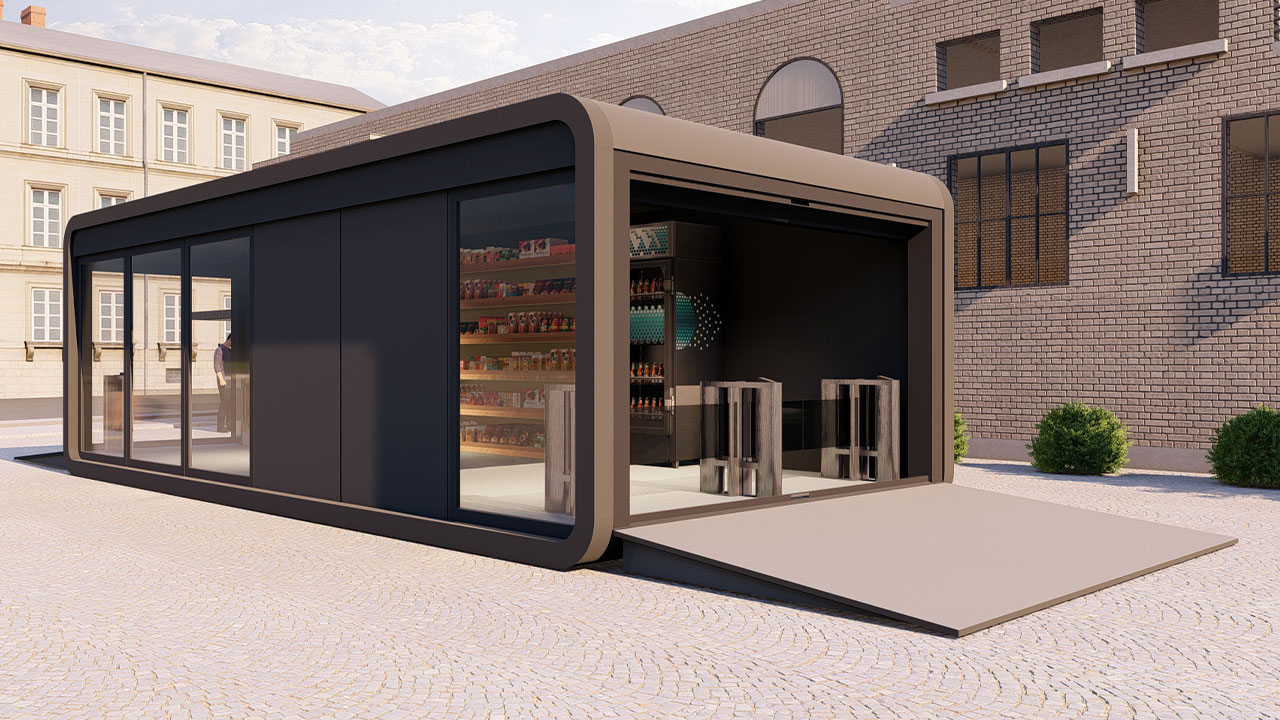
Modular Buildings Explained
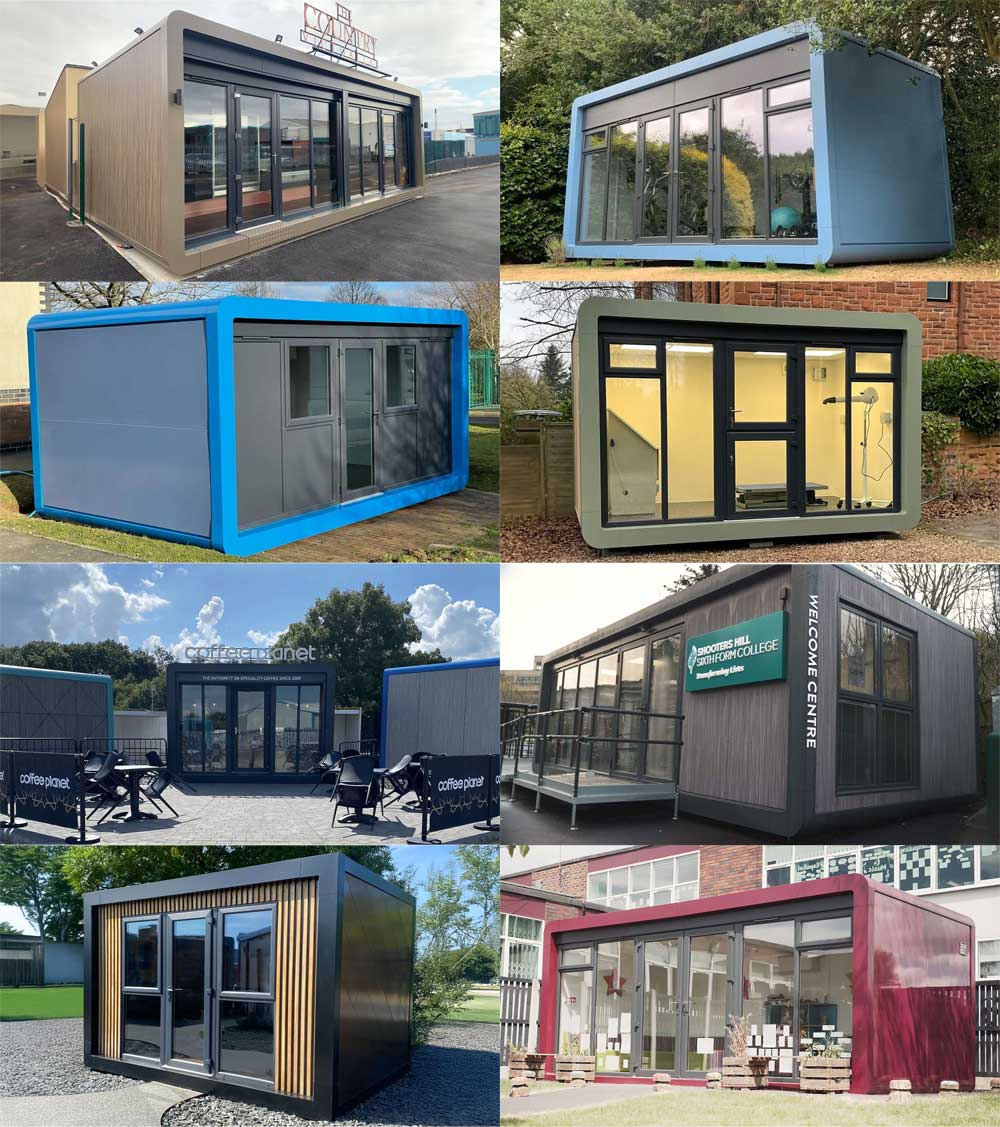
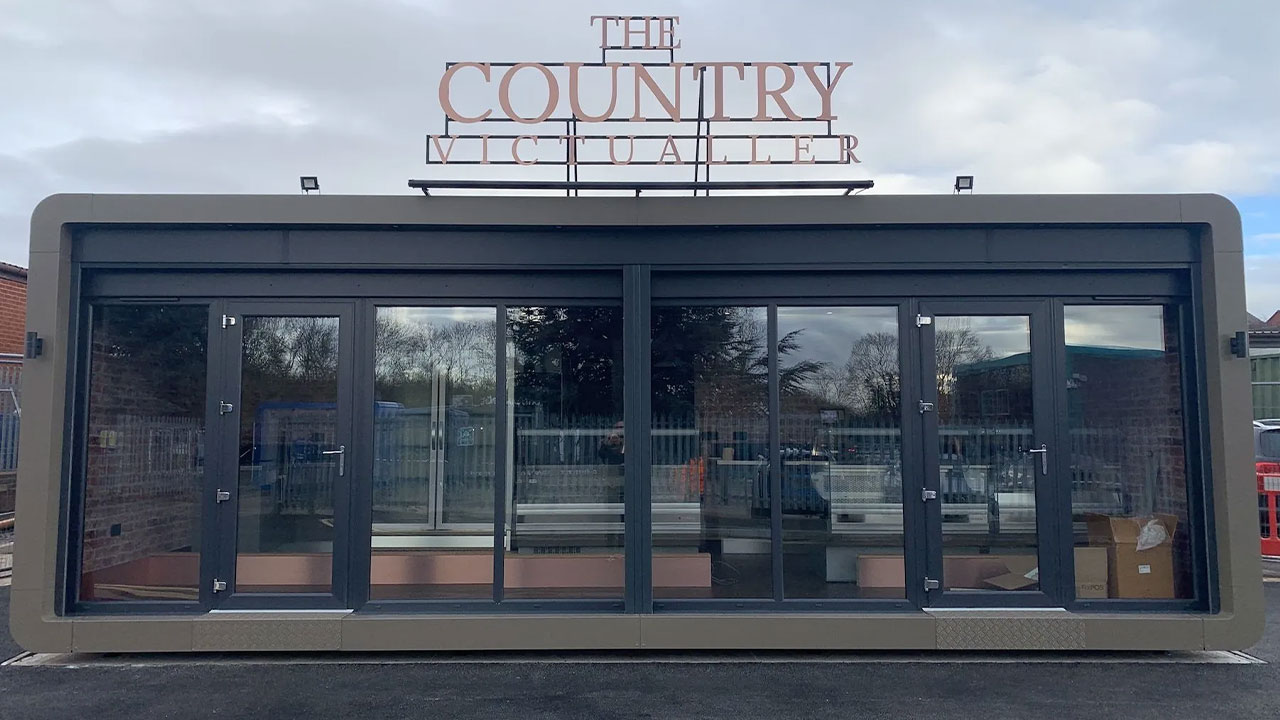
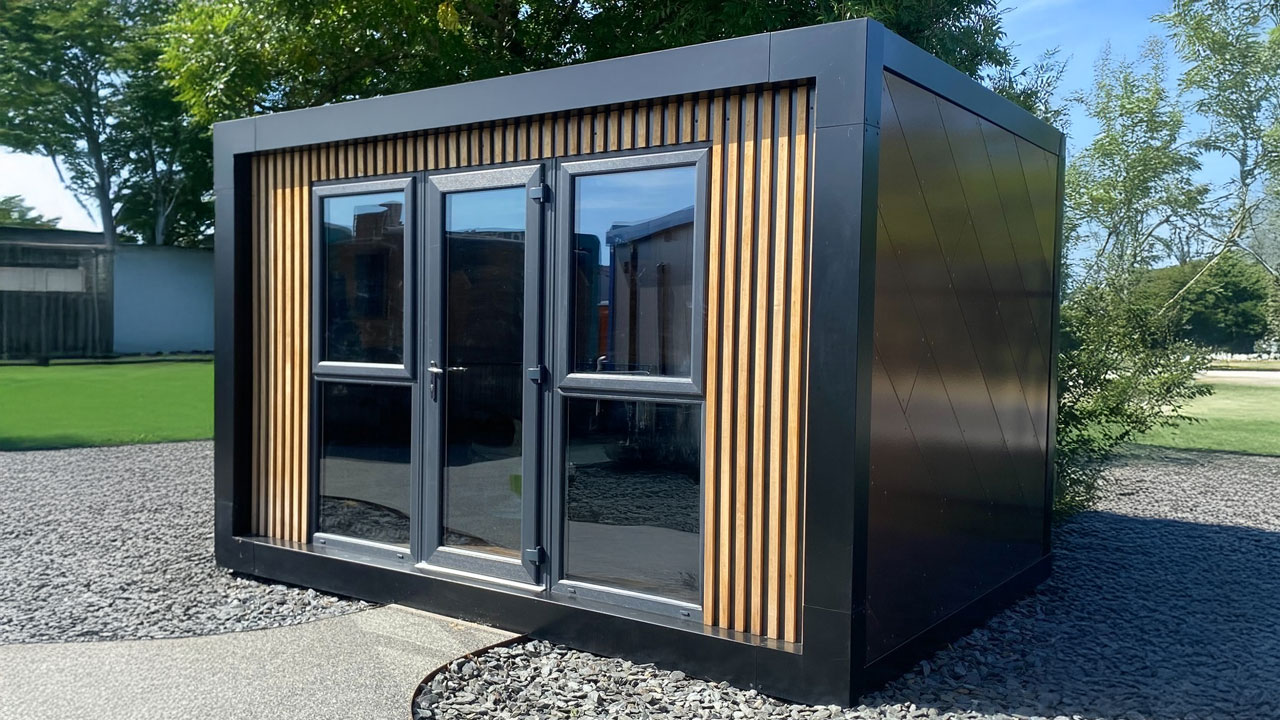
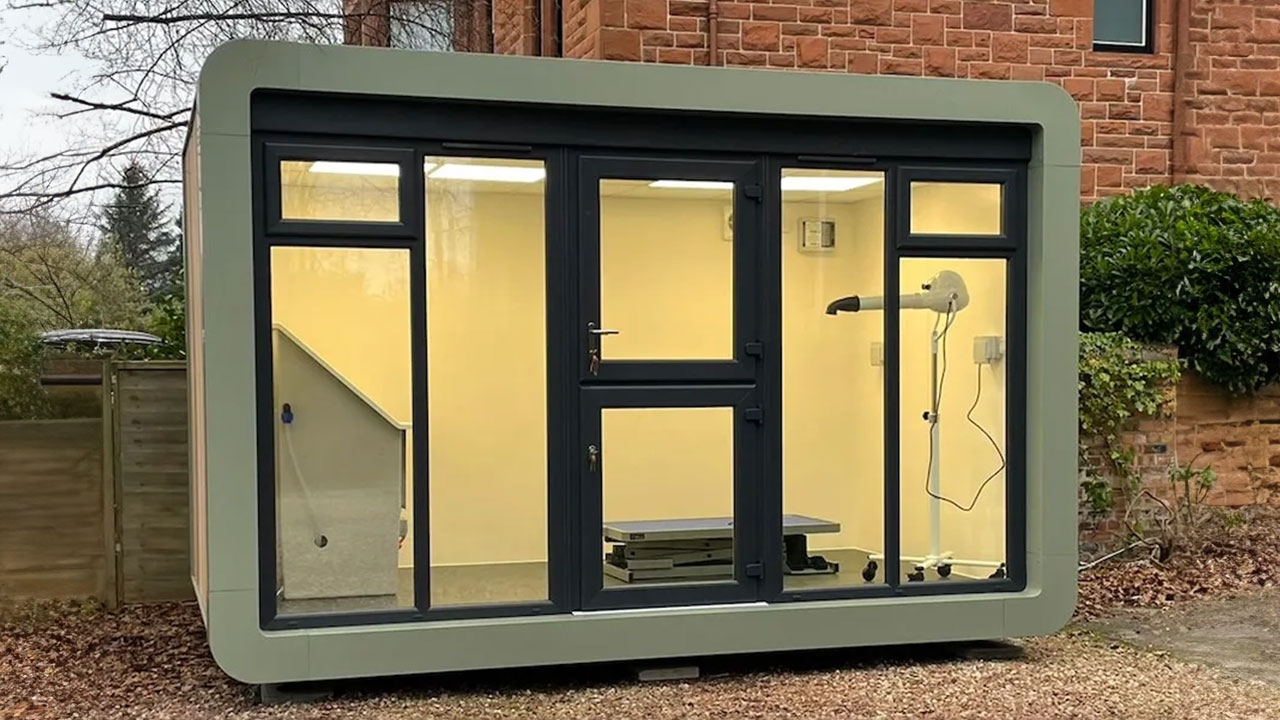
Modular buildings are structures that are manufactured in sections within a factory-controlled environment, then transported to site and assembled into a complete building. Unlike traditional construction, where materials and labour are brought to site and assembled step by step, modular buildings are largely built offsite before being installed in their final location.
In most modern applications, modular buildings are created using volumetric construction, meaning each unit is built as a fully formed three-dimensional space. Walls, floors and ceilings are constructed in the factory, along with insulation, electrics, plumbing and internal finishes. Once complete, these modules are delivered to site and craned into position onto prepared foundations.
The result is a high-quality, permanent building that meets UK Building Regulations but can be delivered far more efficiently than traditional construction methods.
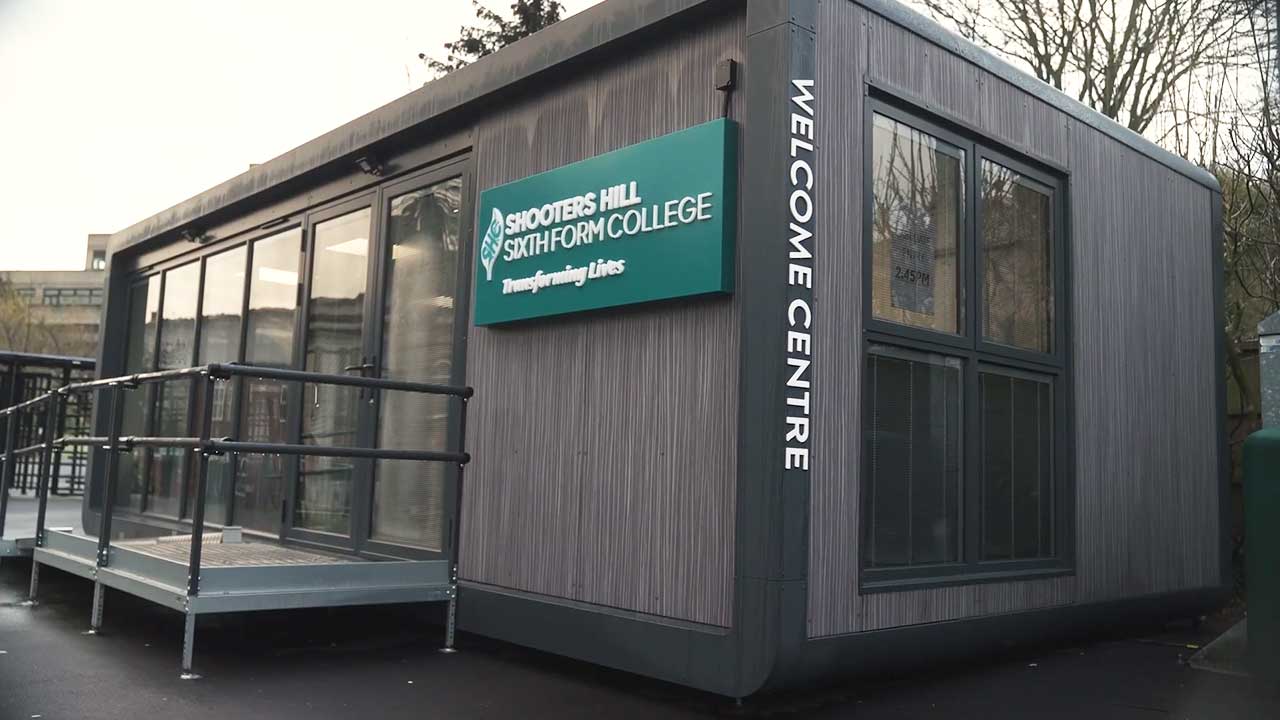
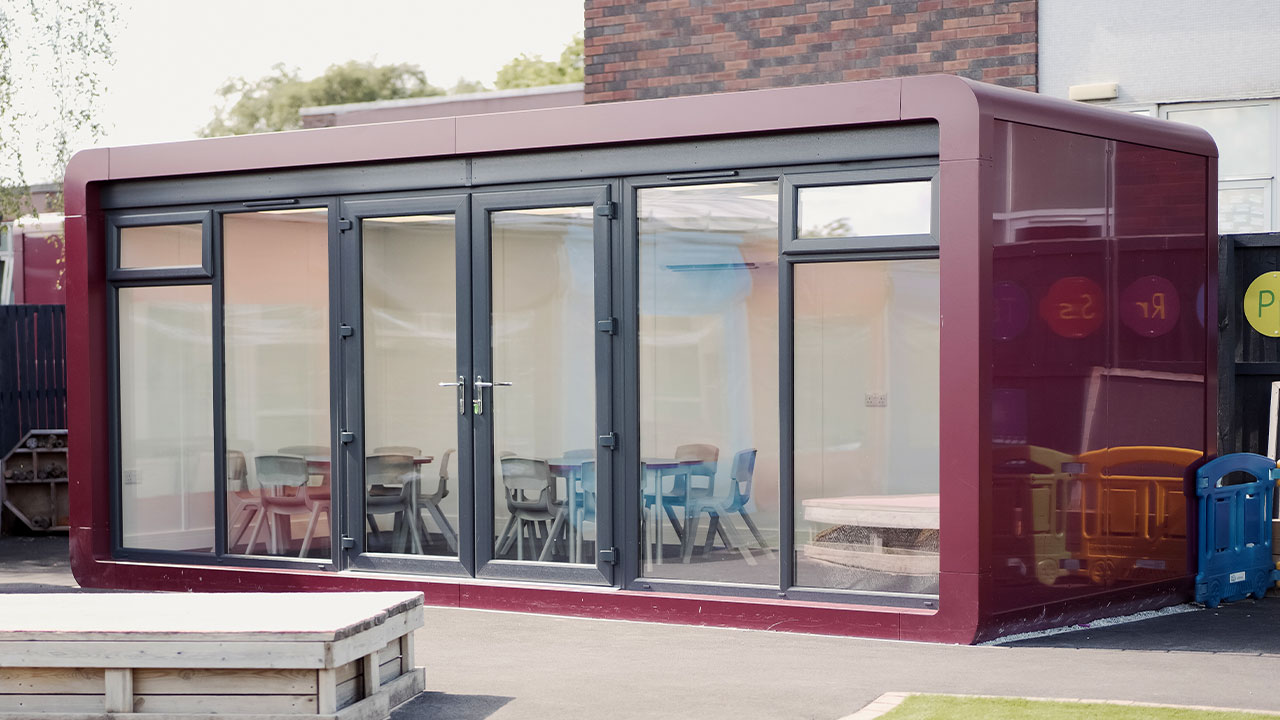
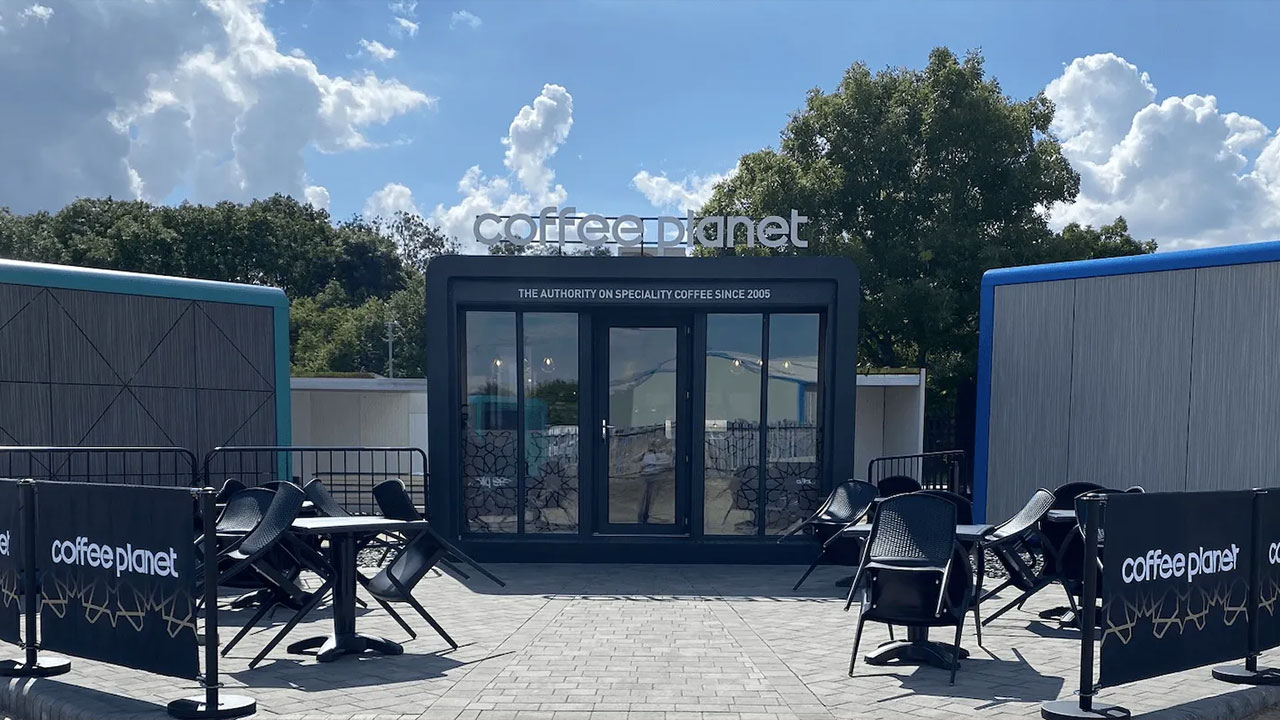
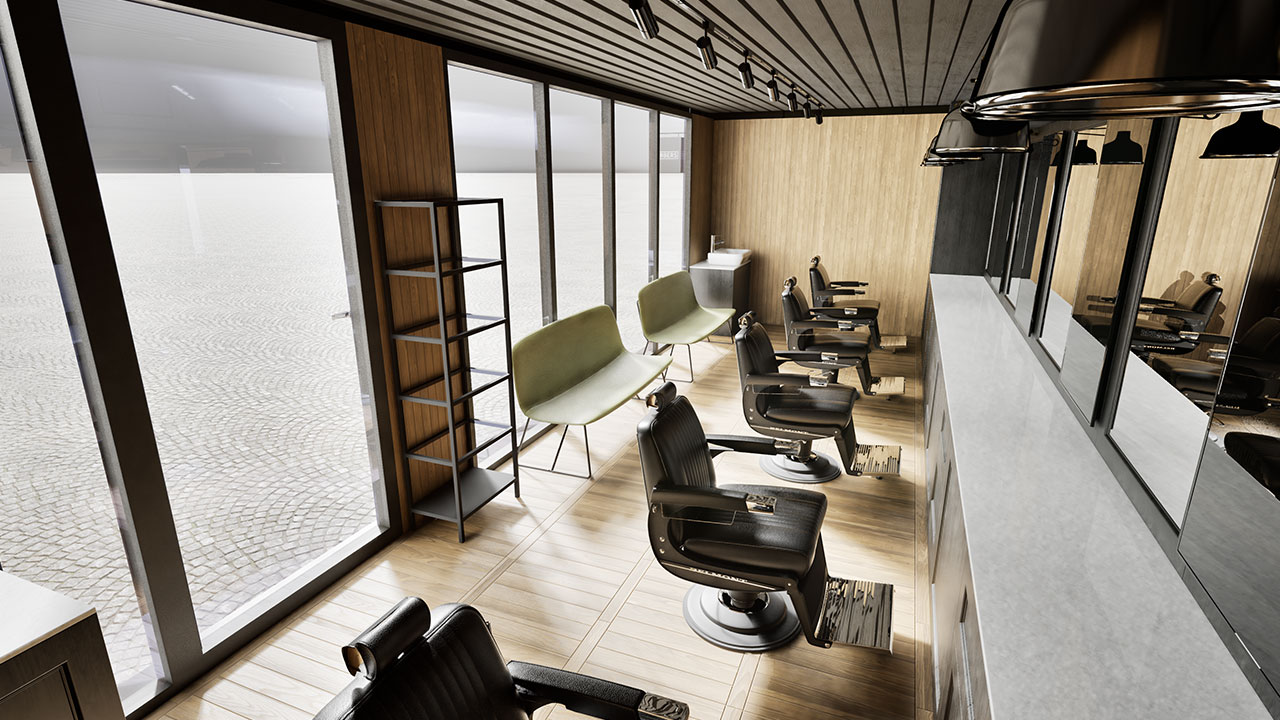
Modular buildings are part of a wider category known as Modern Methods of Construction (MMC) and are commonly used across a range of sectors including education, healthcare, commercial business, retail and leisure. Their growing popularity is driven by the need for faster project delivery, reduced disruption and more predictable construction outcomes.
In simple terms, modular buildings are a smarter, faster and more flexible way to create functional spaces without compromising on quality or longevity.